
Indoor Toddler Climbing Shapes That Work
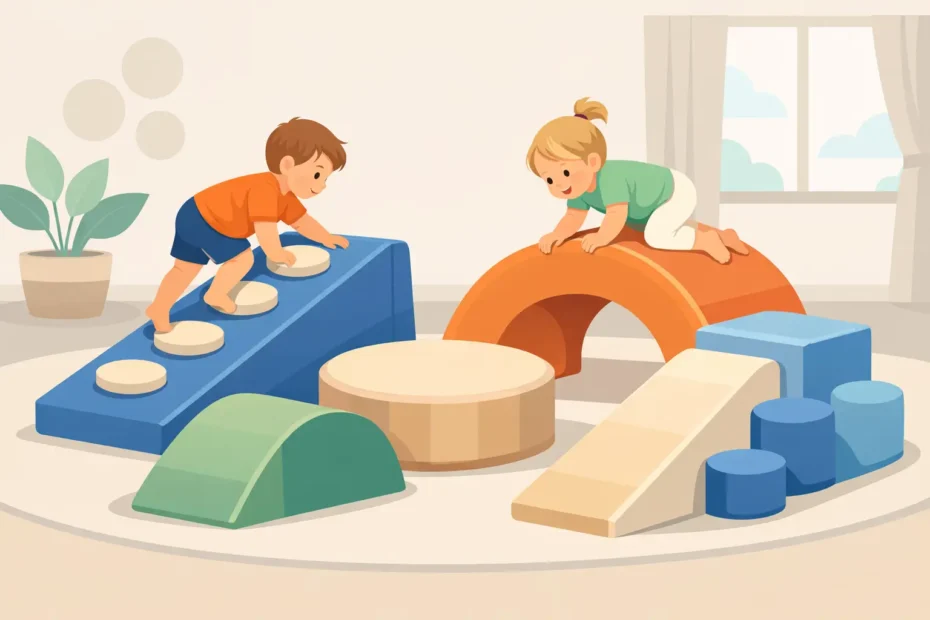
A toddler who is climbing the sofa, scaling the coffee table and turning every cushion into a stepping stone is not being difficult – they are asking for the right kind of play. Indoor toddler climbing shapes give that energy a safer direction. For parents, nurseries and playgroups, they offer a practical way to keep little ones moving, learning and entertained without turning the whole room into an obstacle course.
The appeal is simple. Toddlers need chances to climb, crawl, balance and explore, especially when the weather is poor or outdoor space is limited. Soft play climbing equipment brings that movement indoors in a format that is far safer than furniture, easier to manage than improvised play, and far better suited to early development. When you buy well, you get a setup that is child-friendly, durable and genuinely worth the floor space.
Why indoor toddler climbing shapes are so popular
Parents are looking for more from indoor play than a box of toys in the corner. They want something active, safe and built to last. Nurseries and childcare settings want equipment that can handle daily use, wipe clean easily and support physical development without constant rearranging. That is exactly why indoor toddler climbing shapes have become such a strong choice.
At toddler age, movement is the activity. Children are working on balance, coordination, confidence and body awareness every time they clamber over a wedge, crawl through a shape or step from one block to another. Good soft play shapes let them test limits in a controlled way. That matters at home, where space is often tighter, and it matters even more in group settings where equipment needs to work hard every day.
There is also a straightforward safety advantage. A purpose-made foam climbing set is designed for impact, stability and age-appropriate use. That is a very different prospect from letting children make their own climbing frame out of dining chairs and blankets.
What to look for in indoor toddler climbing shapes
Not all soft play is equal, and this is where buyers need to be selective. Price matters, of course, but the cheapest option is not always the best value if the foam loses shape quickly, the covers split, or the pieces slide about too easily on the floor.
The first thing to assess is the quality of the foam and outer material. You want shapes that feel supportive without being hard, with covers that are durable, easy to wipe down and properly finished. In a nursery or playgroup, that durability is even more important. Equipment needs to cope with repeated climbing, frequent cleaning and the usual wear that comes with busy toddler use.
Size matters too. A compact home setup may only need a few core pieces, such as a wedge, a step block and a small slide-style unit. A larger room or commercial setting can do far more with a modular arrangement that allows multiple routes and changing configurations. The right choice depends on your floor space, ceiling height and the age range using the equipment.
Then there is the question of versatility. Some indoor climbing shapes are fixed in how they can be used, while others can be moved and combined into different layouts. Flexible sets often offer better long-term value because they keep play fresh. That said, if you are fitting out a specific nursery corner or a dedicated toddler room, a more structured setup can make daily use simpler.
Best shapes for early climbing play
A strong toddler soft play setup does not need dozens of pieces. In fact, a smaller range of well-chosen shapes usually works better than an overcrowded area.
Wedges are one of the most useful pieces because they support climbing, crawling and sliding in one shape. Steps help toddlers practise changing levels with more confidence. Cubes and rectangular blocks are ideal for low climbing, sitting and building simple routes. Half-moons and cylinders add variety because they move play beyond straight lines and flat surfaces. Small rocker or bridge shapes can also work well if stability and supervision are right.
For younger toddlers, lower-profile pieces with gentle slopes are often the best option. For older toddlers with stronger balance and more confidence, combinations with extra height and challenge can hold attention for longer. That is where custom or mix-and-match buying becomes especially useful. You are not forced into a one-size-fits-all setup.
Home buyers need practical value, not gimmicks
If you are buying for home use, the real question is not whether your child will enjoy climbing shapes. They almost certainly will. The real question is whether the set fits your home and your routine.
A large soft play set can look impressive in product photos, but if it overwhelms your lounge or has to be packed away after every use, it may become more hassle than help. For many families, a smaller arrangement with two to five pieces is the sweet spot. It gives enough variation for active play without taking over the entire room.
Cleaning is another point that should never be treated as an afterthought. Toddlers spill, dribble, snack and generally test every surface. Wipe-clean covers are essential. So is choosing colours and finishes that still look smart with regular use. Bright colours are always popular, but neutral or coordinated colour choices can work better in domestic spaces where parents want play equipment to blend in more easily.
There is also the issue of storage. Some families are happy with a permanent play corner. Others need shapes that can be stacked, moved or rotated between rooms. It depends on the home, and a good supplier should recognise that rather than pushing the biggest set possible.
Indoor toddler climbing shapes for nurseries and commercial settings
For trade and institutional buyers, the buying criteria become more demanding. You are not just looking for something attractive. You need reliability, easy maintenance and equipment that stands up to heavy use while still supporting safe play.
Nurseries, schools and soft play venues often benefit from larger modular sets that let several children play at once. That helps with both engagement and room flow. It also gives staff more options for structuring activity, from free play to guided movement sessions.
Durability matters far more in these environments, and bespoke sizing can be a major advantage. A standard set may not make the best use of your room, while custom-made indoor climbing shapes can be built around awkward corners, wall space or a themed area. UK manufacturing is a real strength here because it allows buyers to speak directly to a supplier, adjust specifications and avoid the uncertainty that often comes with low-cost imported stock.
Commercial buyers also need consistency. If you are fitting multiple rooms or returning to order more equipment later, you want colours, finish quality and sizing to be dependable. That is where an experienced manufacturer-supplier stands apart from resellers who have limited control over stock and specification.
Safety is not just about soft foam
Soft play is safer than hard furniture, but safety still depends on sensible buying and setup. The shapes should be suitable for toddler use, proportioned correctly and placed on an appropriate surface. In a nursery or commercial space, layout is just as important as product choice.
A very tall or complex arrangement may look appealing, but that does not make it right for under-threes. Lower, wider and more stable usually wins for this age group. Toddlers need challenge, but they do not need unnecessary risk. Good indoor climbing play should encourage exploration while keeping falls manageable and movement predictable.
Supervision remains part of the package. Even the best-designed indoor toddler climbing shapes work best when adults are nearby to guide use, especially when children are learning how to move between pieces or sharing the area with others.
Why buying direct often gives better value
There is no shortage of children’s play equipment online, but plenty of it looks better on screen than it performs in real life. Buying direct from a specialist manufacturer or established supplier usually gives you a better picture of what you are actually getting.
That means clearer information on materials, sizing and suitability. It can also mean more competitive pricing, especially when you are not paying for layers of middlemen. For parents, that makes quality more affordable. For nurseries and larger buyers, it can make the difference between settling for a standard pack and getting a layout that truly fits the space.
This is also where service matters. If you need help choosing the right pieces, matching existing equipment or creating a custom set, direct support saves time and prevents costly mistakes. Softplay Toys4Kids, with UK manufacturing and bespoke options, fits that requirement well because buyers are not left guessing what will work best.
Indoor climbing shapes should earn their place. They should support active play, stand up to daily use and offer proper value rather than short-term novelty. If you choose carefully, you end up with something much better than a toy – you create a safer place for toddlers to stretch their confidence, use their energy well and enjoy movement every single day.
Leave a Reply