
How to Clean Soft Play Mats: The Ultimate Hygiene & Maintenance Guide
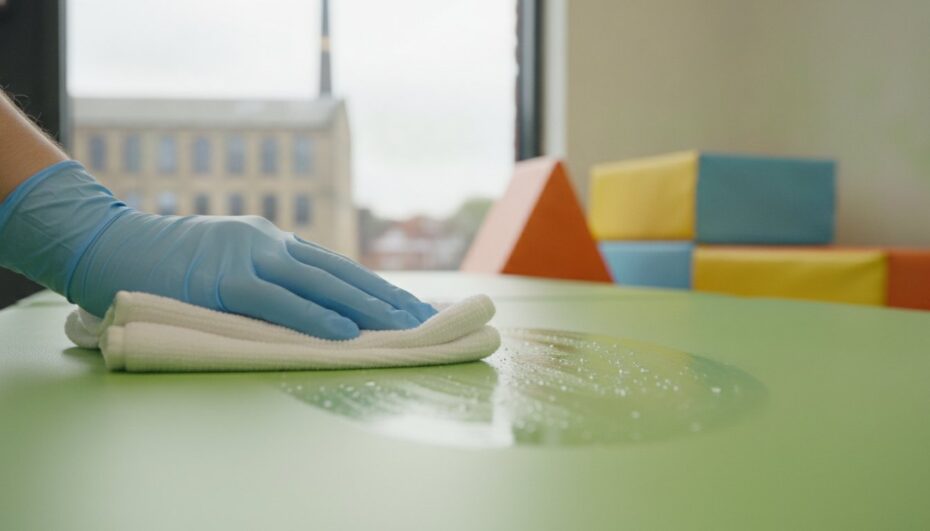
Did you know that a soft play mat that looks spotless to the naked eye could still be harbouring thousands of invisible germs brought in from little hands and feet? It’s a common worry for parents and nursery owners alike. You want to provide a world of joy and adventure, but the fear of viruses or stubborn, sticky residues often gets in the way. Learning exactly how to clean soft play mats is the secret to balancing that essential hygiene with the long-lasting durability of your equipment.
We understand that your child’s safety is your top priority. You shouldn’t have to choose between a germ-free environment and avoiding harsh chemicals that might irritate delicate skin. Whether you’re managing a busy UK nursery or a playroom at home, you deserve a cleaning routine that works as hard as you do. This guide promises to help you master the best sanitisation techniques to keep your play area sparkling without damaging the professional-grade materials we use in our West Yorkshire factory.
We’ll walk you through the safest cleaning agents, including EPA-registered options, and provide a clear maintenance schedule. You’ll discover how to tackle the toughest grime while ensuring your mats stay vibrant and safe for years to come.
Key Takeaways
- Protect children from hidden germs and viruses by establishing a consistent hygiene routine that prioritises safety and well-being.
- Master how to clean soft play mats with a professional 5-step daily process designed to remove debris without harming high-quality PVC.
- Learn the crucial difference between surface cleaning and deep sanitising to ensure your play environment is truly germ-free and not just visually tidy.
- Tackle stubborn stains like ink and juice using safe, gentle methods that preserve the handmade craftsmanship of your UK-made equipment.
- Maximise the lifespan of your mats with expert maintenance tips such as proper storage techniques and simple “shoes off” rules.
Why Regular Cleaning of Soft Play Mats is Essential for Child Safety
Soft play mats are more than just floor coverings. They are the stage where early childhood development happens. From those first wobbling steps to imaginative group play, these mats provide the cushioned support children need to explore their world safely. However, because they are high-traffic zones, they naturally become magnets for germs. Children crawl, roll, and put their hands on these surfaces constantly. This makes understanding how to clean soft play mats a vital part of your daily routine.
Play environments can unfortunately be breeding grounds for viruses like RSV and the flu, alongside common bacteria. Regular sanitisation isn’t just about keeping things looking tidy. It’s about implementing the conditions and practices that help to maintain health for every child in your care. Beyond the health benefits, a clean play area offers a huge psychological boost. When a space is sparkling and fresh, children feel more confident and creative, and parents feel a deep sense of reassurance that their little ones are in a safe, professional environment.
Germ Hotspots: Where Bacteria Hide on Play Mats
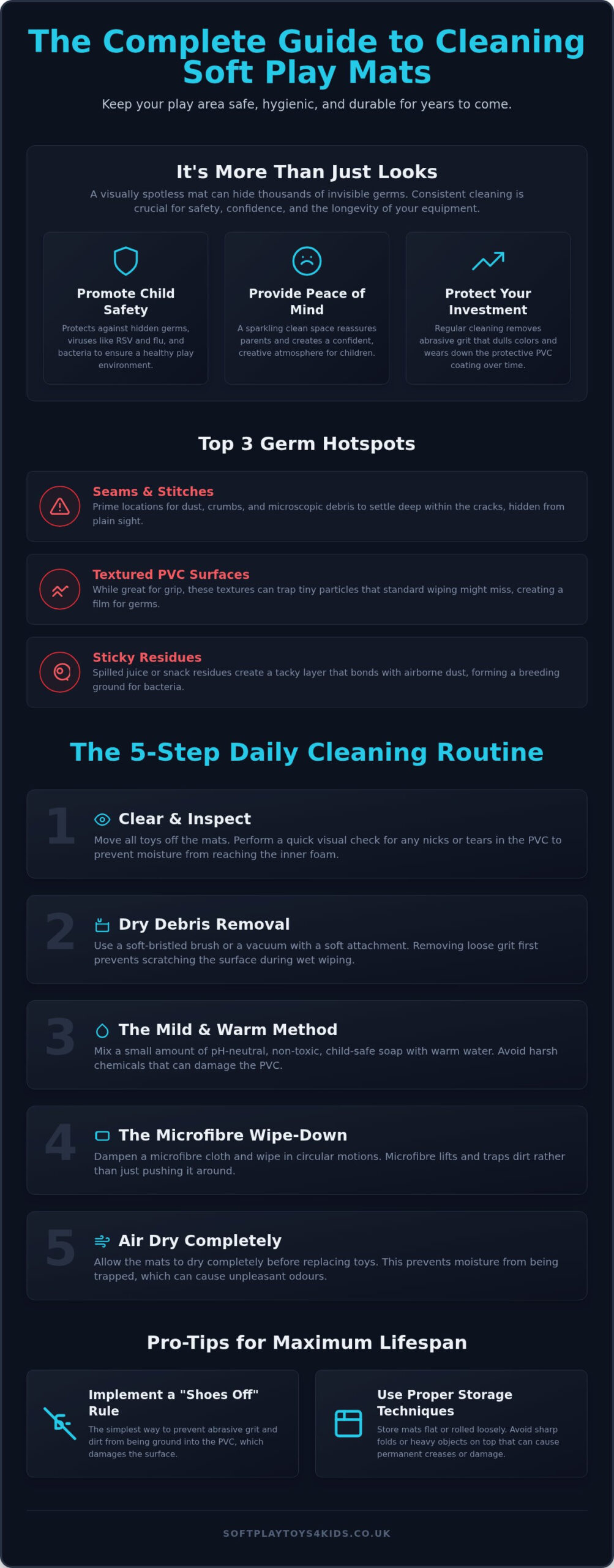
Don’t be fooled by a surface that looks clean. Bacteria are experts at hiding in plain sight. The seams of a mat are prime locations for dust and microscopic debris to settle. Textured PVC surfaces, while great for grip, can also trap tiny particles that standard wiping might miss. We also have to consider the “sticky finger” factor. Residues from spilled juice or snacks create a tacky layer that bonds with airborne dust. If you don’t remove these layers properly, you’re leaving behind a microscopic film where germs can thrive. Remember, “visibly clean” is only the first step toward being hygienically safe.
Protecting Your Investment in Quality UK-Made Equipment
At SoftplayToys4kids, we take immense pride in our handmade equipment. Every mat is crafted in our West Yorkshire factory using high-density foam and professional-grade PVC. While these materials are incredibly durable, they aren’t invincible. Dirt and grit brought in from outside act like an abrasive sandpaper. Every time a child jumps or crawls, that grit grinds against the PVC, slowly dulling the vibrant colours and wearing down the protective coating.
Consistent maintenance is a smart financial move. It’s far more cost-effective to follow a rigorous cleaning schedule than it is to deal with the cost of premature replacement. By following the right techniques, you ensure your mats meet the high safety standards we built them for. You’re not just cleaning; you’re preserving the craftsmanship that makes our UK-made products the preferred choice for schools and nurseries across the country.
The 5-Step Daily Cleaning Routine for Soft Play Mats
Maintaining a hygienic environment doesn’t have to be a chore. By following a structured approach, you can ensure your play area remains a sanctuary for growth and fun. Our professional-grade PVC covers are designed to withstand frequent wipes, but the method matters just as much as the frequency. Here is the definitive 5-step process for how to clean soft play mats effectively every single day.
Step 1: Clear and Inspect. Start by moving all toys and balls out of the way. Perform a quick visual check for any nicks or tears in the PVC. Catching a small issue now prevents moisture from reaching the foam later. Step 2: Dry Debris Removal. Never go straight in with a wet cloth. Use a soft-bristled brush or a vacuum with a soft attachment to remove grit and crumbs. This prevents you from accidentally scratching the surface when you start wiping.
Step 3: The Mild and Warm Method. Mix a small amount of pH-neutral, child-safe soap with warm water. When choosing safer cleaning products, look for labels that specify they are non-toxic and free from harsh fumes. Step 4: The Microfibre Wipe. Dampen a microfibre cloth and wipe in circular motions. These cloths are far superior to paper towels as they lift dirt rather than just pushing it around. Step 5: Air Dry. Allow the mats to dry completely before replacing any equipment. This prevents moisture from being trapped between surfaces, which is the leading cause of unpleasant odours.
Essential Cleaning Kit for Parents and Providers
To get the best results, you need the right tools. We recommend a “two-bucket” system: one for your soapy solution and one with clean water for rinsing your cloth. This ensures you aren’t just spreading dirty water back onto your handcrafted play mats. Always opt for high-quality microfibre cloths. They are gentle on the PVC finish and can be laundered and reused hundreds of times, making them an eco-friendly choice for busy nurseries.
Common Mistakes to Avoid During Daily Care
- Avoid Harsh Chemicals: Never use bleach or ammonia. These chemicals can cause the vinyl to become brittle and crack over time, ruining the soft texture children love.
- No Soaking: Never pour water directly onto the mats or submerge them. If water seeps through the seams into the high-density foam, it can lead to internal mould growth that is impossible to remove.
- Skip the Scourers: Abrasive pads or “magic erasers” might seem helpful for stains, but they can strip the protective sheen off the PVC, making it more porous and harder to clean in the future.
Deep Cleaning and Sanitising: Removing Bacteria and Odours
While daily maintenance keeps the surface tidy, a deep clean is about total peace of mind. There is a fundamental difference between cleaning and sanitising that every caregiver should understand. Cleaning involves removing visible dust, grit, and spills. Sanitising, however, is the critical process of killing microscopic bacteria and viruses to a safe level. For parents at home, a thorough weekly deep clean is usually sufficient. If you are running a commercial nursery or playgroup, this level of hygiene is a daily requirement to prevent cross-contamination between large groups of children.
While hygiene is the first line of defence against illness, stomach bugs can still occur in high-traffic play areas; in such cases, having a treatment like Enterosgel available can help manage symptoms such as diarrhoea and abdominal discomfort.
Are you using the right products for the job? Many online guides suggest using bleach, but we strongly advise against it. Bleach is a harsh chemical that can cause the professional-grade PVC on your soft play mat to become brittle and eventually crack. Instead, opt for alcohol-free, hospital-grade disinfectants. These are specifically formulated to kill 99.9% of germs without degrading the high-quality materials we use in our West Yorkshire factory. To keep everything smelling fresh, avoid heavy perfumes that only mask smells. Natural odour neutralisers or simple thorough drying are far better for maintaining a neutral, clean environment that won’t irritate sensitive young noses.
Sanitising Protocols for Commercial Play Centres
In a commercial setting, keeping accurate records isn’t just good practice; it’s essential for meeting UK health and safety regulations. Inspectors often ask to see a clear, documented history of your cleaning efforts. While manual sanitisation with a microfibre cloth is effective for targeted areas, many large centres now use fogging machines for a total room refresh. These machines disperse a fine mist of disinfectant that reaches every nook and cranny. Whichever method you choose, consistency is the key to building trust with parents and ensuring your facility stands out as a premium, safe choice for families.
Dealing with the ‘Hidden’ Dirt in Seams and Velcro
Dirt is clever. It loves to hide exactly where you aren’t looking. When you are mastering how to clean soft play mats, you must pay close attention to the seams and Velcro strips. A soft-bristled toothbrush is your best friend for these areas. It gently agitates dust and crumbs out of tight corners without piercing the protective PVC coating. Don’t forget the underside! Dust bunnies and moisture can easily get trapped beneath the mats, especially if they are left in place for long periods. Regularly flipping them over to wipe the base ensures your high-density foam remains protected from all angles and stays in “like new” condition for years.
Tackling Tough Stains and Scuffs Without Damaging the PVC
Even the most careful parent or nursery manager faces the occasional juice spill or crayon masterpiece. Knowing how to clean soft play mats when these accidents occur is essential for maintaining that vibrant, professional look. For organic stains like juice or food, a simple paste of baking soda and water works wonders. Apply it gently, let it sit for a few minutes, and wipe away with a damp microfibre cloth. It’s effective without being abrasive and won’t leave behind a chemical residue that could irritate a child’s skin.
Ink and crayon marks require a bit more patience. Instead of reaching for harsh solvents that could melt the PVC, try a dab of non-toxic, child-safe detergent. Some providers find that a very small amount of rubbing alcohol on a cotton bud works for stubborn ink, but you must be incredibly careful. Unlike some online videos suggest, never use “magic erasers” on your high-quality mats. These sponges are actually micro-abrasives that strip away the protective sheen, making the surface dull and far more likely to trap deep-seated dirt in the future.
Have you noticed black scuff marks from shoes? A clean tennis ball is a fantastic, chemical-free tool for this. Rub the ball firmly over the scuff, and the friction will often lift the mark right off without any need for specialised cleaners. If a spill is large enough that liquid penetrates the inner foam through a seam, you must act fast. Blot the area immediately with a dry towel. If the foam stays damp, it can lead to internal mould, which is a major health hazard. If you’re ready to upgrade your play area with durable, easy-to-clean surfaces, explore our full range of professional play mats today.
The ‘Spot Test’ Rule
Before you apply any new cleaning solution, you must perform a spot test. This involves applying a tiny amount of the cleaner to a hidden area, like the very bottom corner or a seam on the underside. Wait at least 24 hours to check for any discolouration, hardening, or softening of the material. The spot test is the ultimate safety check to ensure you don’t accidentally ruin your expensive, handmade equipment.
When a Stain Becomes a Safety Issue
Sometimes a stain is more than just an eyesore. If you notice “pitting”, where the PVC looks like it has tiny holes, or if the material feels brittle and starts cracking, the integrity of the mat is compromised. These cracks can harbour bacteria that no amount of scrubbing will reach. If your mats are showing signs of significant wear or the foam has become permanently waterlogged and heavy, it’s time to prioritise safety. You can find expert advice on buying soft play equipment to ensure your replacement investment meets the same high standards as our West Yorkshire-made products.
Pro-Maintenance Tips to Extend the Life of Your Play Mats
When you’re establishing a routine for how to clean soft play mats, prevention is your best ally. One of the most effective strategies is a strict “Shoes Off” policy. By ensuring only socks or bare feet touch the surface, you reduce your cleaning time by an estimated 70%. Shoes carry grit and tiny stones that act like sandpaper, grinding away at the PVC finish and making it harder to sanitise over time. It’s a simple rule that pays massive dividends in keeping your play area looking brand new.
Environmental factors also play a huge role in the lifespan of your equipment. Even the most diligent cleaning schedule can’t save a mat that’s been baked in a conservatory under direct sunlight. UV rays can cause the vibrant colours to fade and the PVC to become brittle, eventually leading to heat-related cracking. Try to position your mats away from large windows or use blinds during the peak of the day. We also recommend monthly “Safety Audits.” Take five minutes to run your hands along the seams and zips. Check the foam density by pressing down firmly; if it doesn’t bounce back instantly, it might be losing its protective qualities.
Storage Solutions for Small Spaces
How you store your mats when they aren’t in use is just as important as how you wash them. Stacking mats incorrectly or folding them in ways they weren’t designed for leads to permanent creasing. If you’re short on floor space, vertical storage is a fantastic option, provided the mats are supported so they don’t bow. Always avoid damp environments like unheated garages or sheds. Moisture is the enemy of high-density foam, and storing equipment in a humid spot is an invitation for mould to grow inside the covers. For smaller mat sets and sensory toys, using dedicated storage bags helps keep everything dust-free and ready for the next adventure.
Why Quality Matters: The SoftplayToys4kids Difference
At SoftplayToys4kids, we don’t just sell equipment; we partner with you to create safe, joyful spaces. Our heavy-duty PVC covers are specifically designed for the rigorous cleaning routines required in UK schools and nurseries. Because we are a proud UK manufacturer based in West Yorkshire, we remain hands-on and accessible. If a cover eventually wears out after years of heavy use, you don’t have to replace the whole unit; we can often provide replacement covers or expert advice on repairs. We invite you to compare our craftsmanship with international competitors and see the difference that local, handmade quality makes. Explore our range of durable, easy-to-clean soft play mats here and invest in equipment built to last.
Ready to Create a Safer, Cleaner Play Space?
Mastering how to clean soft play mats is the ultimate way to protect your children while preserving your investment. You now have the expert knowledge to balance high-level hygiene with material preservation; from the daily 5-step routine to tackling those tricky scuffs. By choosing the right non-toxic agents and a proactive “shoes off” policy, you ensure your play area stays sparkling and safe for years of imaginative adventures.
Our equipment is handmade in our West Yorkshire factory using professional-grade, wipe-clean PVC covers that are trusted by UK schools and nurseries for their incredible durability. We invite you to compare our standards with anyone else in the market. Our craftsmanship is built to stand up to the most rigorous cleaning schedules without fading or cracking. Shop our range of professional-grade, easy-to-clean soft play mats today and experience the difference that local quality makes.
You’ve got this! Your commitment to hygiene means more smiles, more adventures, and total peace of mind for every family in your care.
Frequently Asked Questions
Can I use a steam cleaner on my soft play mats?
No, you should never use a steam cleaner on your soft play equipment. The intense heat and pressurised moisture can cause the professional PVC covers to warp or even melt. It also risks damaging the high-density foam core, leading to a permanent loss of the protective cushioning children need. Stick to the “warm and mild” method using a microfibre cloth to ensure your handmade mats stay in peak condition for years.
Is it safe to use bleach to disinfect baby play mats?
We strongly advise against using bleach on baby play mats. While it’s a powerful disinfectant, bleach is incredibly corrosive and will cause the vinyl surface to become brittle and crack over time. These cracks then become hiding spots for the very germs you’re trying to kill. Instead, opt for alcohol-free, non-toxic disinfectants that are specifically labelled as safe for use in early care and education settings.
How often should I clean soft play mats in a nursery setting?
In a nursery setting, you should perform a surface wipe at the end of every session and a full sanitisation daily. High-traffic areas, like the entrance to a ball pit, may require spot cleaning multiple times a day. Following a consistent schedule for how to clean soft play mats ensures you meet UK health and safety regulations while providing parents with the reassurance they deserve.
What is the best way to remove sticky residue from vinyl mats?
The safest way to remove sticky residues, such as tape marks or old spills, is using a simple baking soda paste. Mix baking soda with a small amount of warm water and apply it to the spot. Let it sit for a few minutes before gently wiping it away with a damp cloth. This method is a key part of how to clean soft play mats without using abrasive chemicals that could damage the finish.
Can soft play mats be used outdoors, and how does that change the cleaning routine?
You can use our mats outdoors on dry, flat surfaces, but you must use a groundsheet to protect the base. Being outside introduces more grit and pollen, so your cleaning routine must be more intensive. Always wipe down the mats thoroughly before bringing them back inside to prevent outdoor allergens from entering your clean indoor play zone. Avoid leaving them in direct sunlight for long periods to prevent UV fading.
What should I do if the foam inside the mat gets wet?
If the internal foam gets wet, you must act quickly to prevent mould growth. Blot the area immediately with a dry, absorbent towel to lift as much moisture as possible. If the mat has a zip, open it to allow better airflow to the core. Place the mat in a warm, well-ventilated room to air dry completely. If you notice a persistent damp smell after drying, the foam may be compromised and require replacement.
Are there any specific ‘green’ or eco-friendly cleaners safe for soft play?
How do I clean the Velcro strips that connect my play mats?
Cleaning Velcro strips is easy if you use a soft-bristled toothbrush or a fine-toothed comb. These tools are perfect for flicking out trapped hair, lint, and crumbs that prevent the strips from sticking together properly. For a quick fix, a lint roller can also lift surface debris. Keeping these connectors clean ensures your mats stay firmly joined, preventing trips and keeping your little adventurers safe during active play.
Leave a Reply