
Ball Pool Buying Guide for Homes and Nurseries
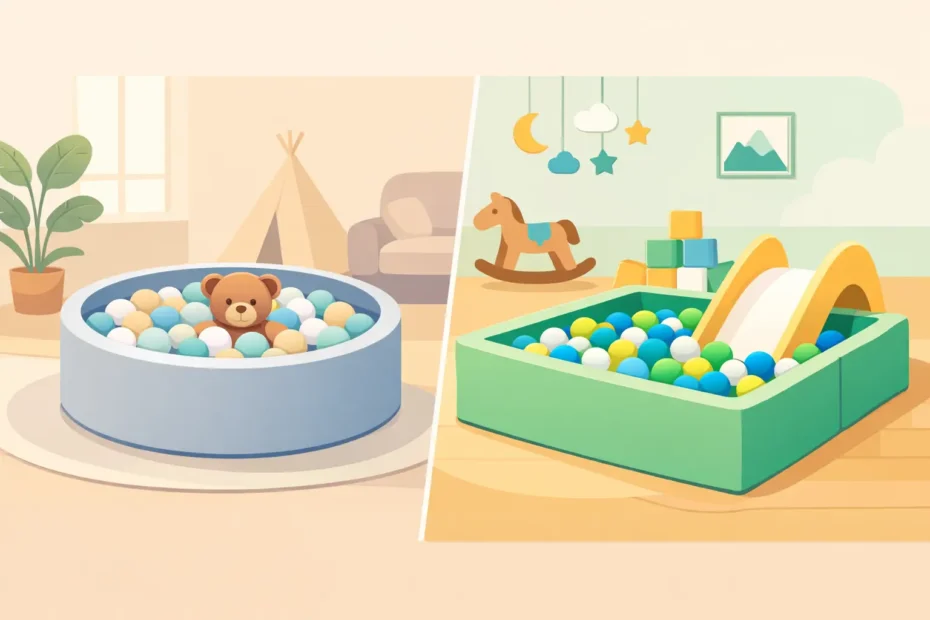
A ball pool can turn an unused corner of the lounge, nursery room or play area into the place children head for first. It is active, sensory, sociable and brilliantly simple. But the right choice is not just about picking the brightest colours or the biggest number of balls. The dimensions, wall height, foam quality, ball size and cleaning routine all affect how safe, practical and long-lasting your setup will be.
For parents, the goal is usually a compact play space that keeps little ones moving without taking over the house. For nurseries, schools and commercial venues, the priority shifts towards durability, easy maintenance and a layout that works hard all day. Buying well at the start means your pool stays a source of proper play rather than becoming a difficult-to-store, difficult-to-clean disappointment.
Choosing the Right Ball Pool Size
Start with the space, not the product photograph. Measure the floor area you can genuinely keep clear for play, then allow room around the outside for an adult to supervise and children to climb in and out safely. A ball pool pressed tightly against furniture may fit on paper, but it can be awkward to use and harder to clean.
For babies who are sitting confidently and toddlers enjoying contained play, a smaller square or round pool can be ideal. It creates a defined area without overwhelming the room. As children become more mobile, they need enough room to crawl, roll, throw and share the space with a sibling or friend. A larger pool is often better value than buying a small one and replacing it within a few months, provided you have the space to accommodate it.
Wall height matters as much as floor size. Lower sides make independent entry easier for younger children, while deeper sides hold more balls and create a more immersive experience for confident toddlers and older children. There is a trade-off: deeper pools look impressive and encourage energetic play, but they use considerably more balls and take longer to empty during cleaning.
For busy settings, think about the route children take through the room. A pool should not block a fire exit, pinch a walkway or sit where a child stepping out can collide with a hard corner. Pairing it with soft play mats, foam steps or a small slide can create a more complete activity area, but every addition needs safe clearance around it.
How Many Balls Do You Need?
A pool that is only lightly filled can feel flat and less inviting. One that is filled too deeply may make it difficult for small children to find their footing. The best level depends on the child’s age, the depth of the pool and how the equipment will be used.
For home play, a comfortable depth gives children the chance to sit, scoop, crawl and gently bury toys without disappearing under the surface. In a nursery or playgroup, a deeper fill can cope better with several children playing at once, although staff should still be able to see and reach every child easily.
Ball diameter is worth checking before you buy. Larger, sturdy balls are generally easier for little hands to grasp and less likely to get lodged in gaps. They should be smooth, free from sharp seams and made to withstand regular squeezing, throwing and cleaning. Cheap, thin balls can split quickly, crush under weight and become an ongoing replacement cost.
Colour is not only decorative. Bright mixed colours create a classic high-energy look, while a carefully selected palette can match a home interior, nursery branding or a themed commercial space. Softer pastel combinations are popular in domestic rooms, while bold primary shades can help create a recognisable play zone in early-years settings.
Ball Pool Safety Starts With the Build
A well-made ball pool should feel stable from the moment it is assembled. The sides need to stay upright under leaning, climbing and everyday play, while the foam should provide cushioning without collapsing. Look for strong, wipe-clean coverings and neat, secure stitching that can handle repeated use.
The floor underneath also deserves attention. A thick padded base makes play more comfortable and helps protect children from hard flooring. If the pool will sit on laminate, tile or another slippery surface, make sure it is positioned so it cannot slide during use. Never assume that a carpet alone provides enough cushioning for energetic jumping or climbing.
Adult supervision remains essential, particularly for babies and younger toddlers. A ball pool is designed for fun movement, but children can become overexcited when balls are flying and friends are joining in. Set clear expectations: no diving head-first, no throwing balls at faces and no climbing on side walls. These simple rules protect the equipment and, more importantly, the children using it.
Before each session, take a quick look around the pool. Remove toys that do not belong there, check for damaged balls and make sure no small objects have been hidden underneath. In a commercial environment, this inspection should be part of the opening and closing routine rather than something done only when a problem is spotted.
A reliable safety check covers five practical points:
- the pool is placed on a clean, level surface;
- side walls and seams show no signs of damage;
- balls are intact, clean and suitable for the children’s ages;
- there is enough clear space for safe entry and exit; and
- an adult can supervise without obstruction.
Cleaning a Ball Pool Without Making It a Chore
The biggest question many buyers ask is not whether children will enjoy a pool. They will. It is whether cleaning it will become a weekly headache. The answer depends on choosing practical materials and building a routine before the pool is in constant use.
For a home ball pool, wipe the outer and inner surfaces regularly with a child-safe cleaning product suitable for the material. Balls should be cleaned often enough to match how heavily they are used, especially after playdates, illness or outdoor shoes being nearby. Emptying the pool completely every day is rarely realistic for a family, but a regular full clean keeps the space fresh and makes it easier to spot wear.
Nurseries, schools and soft play businesses need a more structured approach. Schedule cleaning around sessions, separate visibly damaged balls immediately and keep a record of deeper cleans where required by your own operating procedures. Buying extra balls can make this simpler, as you can rotate sets rather than closing an area for longer than necessary.
Avoid soaking foam sections or using harsh chemicals that could affect the covering. A wipe-clean finish is there to make maintenance manageable, not to withstand any product or method. Follow the cleaning guidance for your equipment, allow surfaces to dry properly and refill only when the pool is ready for children.
When Bespoke Makes Better Sense
Off-the-shelf sizes work well for many homes, but awkward rooms, nursery corners and commercial installations often need a made-to-measure answer. Bespoke equipment lets you use available floor space properly, choose wall heights that suit your age group and coordinate colours with the rest of your soft play area.
This is especially useful when a ball pool needs to sit alongside padded flooring, wall protection, steps, slides or sensory equipment. A pieced-together setup can leave gaps, create inconsistent heights and make a room look less considered. A properly planned layout is easier to supervise, easier to maintain and far more inviting to children and parents.
Softplay Toys4Kids manufactures soft play equipment in the UK and can help buyers looking for practical sizes, colour choices and commercial-ready configurations without paying inflated middleman prices. Whether you are fitting out a small playroom or planning a larger setting, it is worth comparing the full cost of the equipment, balls, delivery and expected lifespan rather than choosing on headline price alone.
Make the Pool Part of Everyday Play
A ball pool earns its place when it supports more than five minutes of excitement. Add soft shapes for climbing, hide colour-matching toys among the balls, practise simple counting games or create gentle turn-taking activities for siblings. For babies, supervised sensory play with different textures, colours and movement can be just as valuable as energetic bouncing.
Choose a pool that suits the children you have now, while allowing enough room for the play they will grow into. A clean, well-built and correctly sized ball pool gives families and childcare settings something far more useful than another toy: a dependable space for active, happy play every day.
Leave a Reply