
Are Foam Mats Safe for Babies?
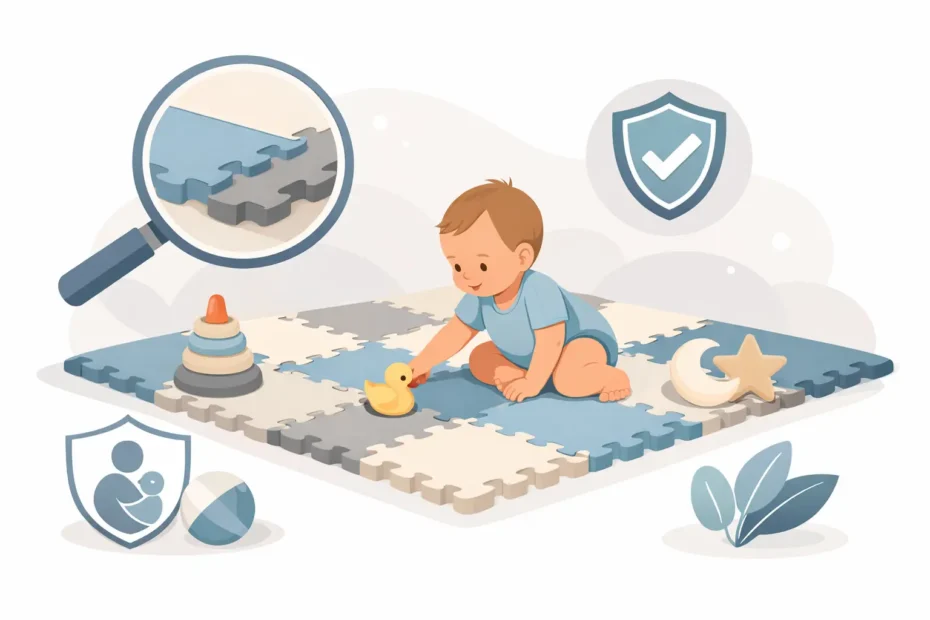
That first wobble, roll or face-first topple usually answers the question quickly – yes, the floor matters. If you are asking are foam mats safe for babies, the honest answer is that they can be a very safe and practical choice, but only when you choose the right type, use them properly and keep a close eye on quality.
For parents, nurseries and playgroups, foam mats are popular for good reason. They soften everyday bumps, create a cleaner play surface and make tummy time, crawling and early standing much more comfortable. But not every foam mat on the market is made to the same standard, and the cheapest option is not always the smartest buy.
Are foam mats safe for babies when used every day?
In most home and nursery settings, yes – provided the mat is designed for children, made from suitable materials and kept in good condition. A good foam mat gives babies a cushioned, supportive surface that is softer than wood, tile or laminate. That matters during the stage when they are rolling unexpectedly, learning to sit, rocking on hands and knees, and pulling themselves upright with more confidence than balance.
The safety benefit is straightforward. Foam mats help reduce the impact of low-level tumbles and create a more forgiving area for play. They also encourage floor-based play, which is important for physical development. Babies need space to stretch, pivot, crawl and explore, and a cold, slippery or hard floor is far less inviting.
That said, a foam mat is not a safety device in the same way as a cot or car seat. It will not make unsupervised play risk-free, and it should never be treated as protection from furniture edges, climbing falls or unsafe room layouts. It is one part of a safer play setup, not the whole solution.
What makes a foam mat safe?
The biggest factors are material quality, thickness, grip, durability and hygiene. If a mat falls short in any of those areas, its value drops quickly.
Material matters more than price
A baby foam mat should feel sturdy, not flimsy. Very thin or low-density foam can compress too easily, split at the edges or wear down fast in high-use spots. That is bad news for parents at home and even more of a problem in nurseries and commercial settings where repeated daily use is expected.
A well-made mat should also be intended for child use rather than improvised from gym flooring or industrial foam. Adult exercise mats and workshop flooring may look similar at a glance, but they are not always designed with babies in mind. Child-focused products are built around play, comfort and easier maintenance.
Thickness helps, but thicker is not always better
Parents often assume the thickest mat must be the safest. Not necessarily. A mat needs enough cushioning to soften little falls, but it also needs to provide a stable surface. If it is too soft or unstable, babies learning to crawl or stand can struggle for grip and balance.
For most babies, the best option is a mat that offers firm cushioning rather than a sinking surface. That gives comfort without making movement awkward. Commercial buyers should think the same way. In a nursery baby room, support and consistency across the full play area matter more than exaggerated softness.
Grip is essential
One overlooked point is slip resistance. A mat should stay in place on the floor and offer good traction on top. If the underside shifts on laminate or smooth tile, or if the surface becomes slippery with socks, dribble or cleaning residue, that creates a different kind of hazard.
This is where build quality shows. Better mats hold their shape, sit flatter and cope better with regular use. If puzzle-style edges constantly lift or separate, or the surface becomes polished and slick over time, replacement is the safer move.
The main concerns parents should know about
The question are foam mats safe for babies usually comes from a sensible place. Parents are not only thinking about bumps and bruises. They are also thinking about chemicals, choking risks and cleanliness.
Chemical worries
Many buyers now look closely at what a mat is made from, and rightly so. Babies spend a lot of time close to the floor. They touch everything, lie face down, and eventually chew corners and edges if given half a chance.
That means strong chemical smells are a red flag. A new foam mat should not have an overpowering odour that lingers. Reputable manufacturers and suppliers should be clear about product materials and safety standards. If that information is vague, missing or impossible to verify, it is worth stepping back.
Loose edges and wear
If a mat starts to crack, flake, peel or break apart, it is no longer a good option for a baby play area. Damaged foam can become a picking and chewing temptation, especially once babies become more curious and mobile. This is why durability matters from the start. A mat that looks cheap after a few weeks often was cheap in all the wrong ways.
Hygiene and cleaning
A foam mat sits where babies dribble, snack, crawl and sometimes have nappy leaks. So yes, hygiene matters a lot. The safest choice is one that can be wiped down quickly and thoroughly without absorbing mess.
Fabric play rugs can look lovely, but many are harder to keep properly clean. Foam mats have a practical edge here because smooth, sealed surfaces are usually easier to maintain day to day. For nurseries, playgroups and soft play centres, that easy-clean quality is not just convenient – it is essential.
Choosing the right foam mat for your space
A good buying decision depends on where and how the mat will be used. A small mat for supervised tummy time in a lounge has different demands from a full nursery corner or a commercial soft play zone.
In the home, parents usually need a mat that is comfortable, easy to clean, simple to move and suitable for daily use. It should fit the available floor space without curling up at the edges or becoming an obstacle around furniture. If the mat is going in a living room, appearance matters too, but safety comes first.
In nurseries and early years settings, durability rises up the list. The mat needs to cope with heavy footfall, repeated cleaning and multiple children using it every day. It should also be part of a wider safe play layout, with enough room for movement and no awkward joins or unstable sections.
For commercial buyers, custom sizing can make a major difference. A mat that fits the area properly is safer than one forced into place with gaps, overlaps or makeshift add-ons. This is one reason many buyers prefer a specialist supplier rather than taking a chance on generic mass-market options.
Safe use matters as much as the mat itself
Even the best mat can be undermined by poor setup. Place it on a flat, dry floor. Keep it away from sharp furniture corners where possible. Check it regularly for lifting edges, cracks and wear. Clean it with suitable products and allow it to dry fully before use.
It is also worth matching the mat to your baby’s stage. Newborns mainly need a clean, comfortable space for lying and stretching. Older babies who are crawling and standing need more room, more grip and more reliable impact protection. As their movement changes, your play surface may need to change too.
Supervision still matters. A foam mat reduces the harshness of a fall from floor level, but it does not make climbing on sofas, pulling on shelves or bumping into hard toys harmless. Safe flooring works best alongside sensible room setup and active adult attention.
Why quality pays off
There is always pressure to save money, especially when buying baby equipment. But a foam mat is one of those products where value is not the same as the lowest ticket price. If a mat wears out quickly, shifts on the floor, cleans poorly or leaves you doubting the material quality, it is not a bargain.
That is why many families and professional buyers choose trusted UK suppliers with clear product knowledge, dependable stock and a focus on child-safe design. At Softplay Toys4Kids, that means handmade UK manufacturing, practical foam play products and options that work for both domestic and commercial spaces without inflating the price.
The right foam mat should make life easier. It should give parents confidence, help babies play more comfortably and stand up to everyday use without fuss.
A baby does not need a complicated play area. They need a safe, clean, well-made surface that supports all the rolling, wriggling and wobbling that comes next.
Leave a Reply