
Softplay Prices: What UK Buyers Should Expect
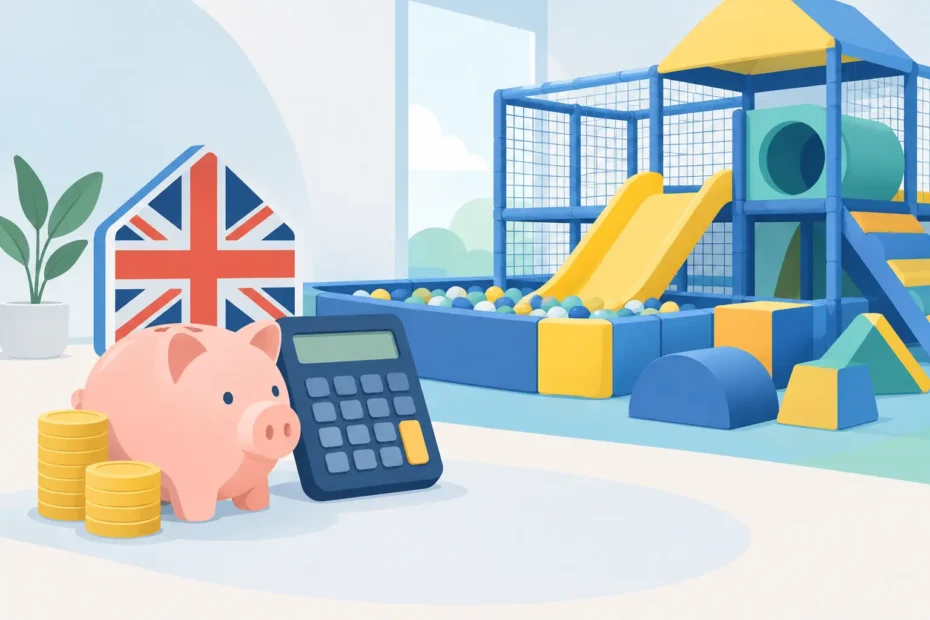
A £40 baby mat and a fully fitted nursery play area can both be called soft play, but they are not comparable purchases. Softplay prices vary because the equipment, materials, safety requirements and intended use vary just as much. Whether you are creating a small indoor corner at home or planning a commercial play space, the right question is not simply, “What is the cheapest option?” It is, “What will give children safe, lasting play for the budget available?”
Why softplay prices vary so widely
Soft play equipment ranges from compact foam shapes for one toddler to large ball pits, climbing sets and bespoke installations designed for dozens of children. The price reflects the size of the set, the density and quality of the foam, the durability of the covers and whether the equipment is made for occasional home use or constant use in a busy nursery or play centre.
A basic domestic set may include a few lightweight shapes, a wedge, a step and a small mat. It is an affordable way to encourage crawling, climbing and imaginative play without filling the whole living room. Larger home bundles bring more play value, with tunnels, balance beams, slides and modular blocks that can be rearranged as children grow.
For commercial buyers, the specification changes. Nursery rooms, school halls and soft play venues need equipment that can stand up to repeated use, cleaning routines and energetic groups of children. That normally means stronger foam, hard-wearing wipe-clean PVC covers, reinforced stitching, safer fastening systems and larger quantities of equipment. These factors increase the initial cost, but they also help protect the value of the purchase over time.
What affects the price of soft play equipment?
The biggest influence is scale. A small set of toddler shapes needs less material, less manufacturing time and less space to transport than a large ball pit or a complete activity area. However, size is only part of the story.
Foam quality matters. Soft play should be comfortable enough for safe tumbles while remaining firm enough to hold its shape. Low-grade foam can compress quickly, leaving pieces looking tired and less supportive. Quality foam costs more to source, but it helps equipment remain useful and presentable through years of play.
Cover material is another key factor. Children spill drinks, wipe paint-covered hands and bring everyday mess into play areas. Strong, easy-clean covers make maintenance far simpler. For nurseries and commercial settings, this is not a luxury. It is a practical requirement that saves time and helps maintain a hygienic environment.
Then there is the level of detail. Bespoke dimensions, made-to-measure safety pads, branded colours, specific layouts and custom-shaped obstacles all require extra production work. A standard product is often the fastest route to the lowest price. A custom order may cost more, but it can make far better use of an awkward room, fit around existing fixtures or match the colours of a nursery or venue.
Domestic softplay prices: buying for home
Parents do not need a commercial-sized budget to create an exciting soft play area at home. A few carefully chosen pieces can give babies and toddlers a place to explore movement safely, particularly when the weather keeps everyone indoors.
For babies, start with a supportive play mat and simple soft shapes. This gives them room for tummy time, rolling and early crawling while creating a softer surface than a hard floor. As confidence grows, a small step, wedge, tunnel or balance beam can add new challenges without overwhelming the space.
For toddlers, modular sets often offer the best value because they stay interesting for longer. A child may use a soft block as a seat one day, a stepping stone the next and part of an imaginary obstacle course the day after. That flexibility is worth considering when comparing prices. The lowest-priced item is not always the best buy if it is outgrown in a few months.
Measure before ordering. It sounds obvious, but parents regularly choose a set based on photographs and discover that it dominates the lounge or does not fit the intended corner. Allow enough space around equipment for safe movement, and consider where pieces will be stored if the play area is not permanent.
Commercial softplay prices: planning for durability
For nurseries, preschools, schools, playgroups and play centres, buying decisions should start with the room and the children using it. A busy toddler room needs different equipment from an after-school club, sensory area or dedicated commercial soft play zone.
Commercial buyers should consider capacity, age range, cleaning needs and supervision. A large ball pit may be a major attraction, but it requires enough surrounding space, appropriate access and a cleaning routine for the balls and pit itself. A compact arrangement of steps, ramps, blocks and balancing equipment may suit a smaller setting better while still supporting physical development.
It is also worth thinking beyond the purchase price. Equipment that is difficult to clean, poorly sized for the room or unsuitable for the age group can become an expensive mistake. Well-made, wipe-clean pieces that are correctly specified tend to deliver better value because staff can use them every day with confidence.
If your space has unusual dimensions, fixed pillars or a challenging layout, bespoke manufacturing can be the sensible option. Rather than forcing standard pieces into an unsuitable room, custom safety pads, wall protection and made-to-measure soft play shapes can turn unused areas into practical play zones. It is an investment, but one that can improve safety, maximise capacity and create a more professional finish.
How to compare softplay prices fairly
When comparing suppliers, make sure you are looking at like-for-like products. A photograph alone will not tell you the full story. Check the dimensions, foam type, cover quality, fastening method and whether the price includes every piece shown.
Ask whether the equipment is suitable for domestic or commercial use. A low price may be perfectly reasonable for occasional home play, but it may not represent good value for a nursery where equipment is handled all day, every day. Likewise, a parent may not need to pay for a large commercial specification when a smaller home set meets the need safely.
Look at the practical details too. Can covers be wiped clean? Are colours and sizes available to suit your space? Is support available if you need help choosing a layout? Does the supplier manufacture the equipment or simply resell it? Direct UK manufacturing can make a real difference when you need a custom size, replacement piece or clear advice before ordering.
A price-beater guarantee can also give buyers confidence, but do compare specifications before asking a supplier to match a competitor. A cheaper-looking set may use less foam, thinner covers or smaller pieces. Real value comes from getting the right quality at a competitive price, not from paying less for a product that will need replacing sooner.
Where it pays to spend more
There are occasions when spending a little more is the sensible move. Safety mats beneath active climbing equipment, post protectors in busy areas and durable ball pit surrounds are examples where quality should come before a small upfront saving. These products do important work every time children play.
For institutions, it may also be worth choosing a coordinated set rather than buying unrelated pieces over several months. A planned collection can provide crawling, climbing, balancing and imaginative play in one area, while matching colours create a cleaner, more welcoming environment for families.
That does not mean every buyer needs a large bundle. A small, well-selected set can be brilliant. The key is choosing equipment that suits the children, the space and the frequency of use.
Getting more from your budget
Set your budget after deciding what the play area must achieve. For example, a home setup may need to support a crawling baby now and an adventurous toddler later. A nursery may need equipment that can be moved easily between rooms, or a fixed arrangement that protects walls and corners.
Prioritise the core pieces first. Mats, climbing shapes and safe landing areas usually provide more everyday value than novelty extras. Add ball pits, tunnels, themed pieces or custom features when they genuinely improve the experience for the children using the space.
Softplay Toys4Kids combines competitive pricing with UK-made options for homes and commercial settings, so buyers can choose from ready-to-order equipment or discuss a made-to-measure solution. The best next step is to measure your space, consider the age group and choose pieces that will still earn their place after the first burst of excitement has passed.
Leave a Reply