
How to Set Up Toddler Play Zone at Home
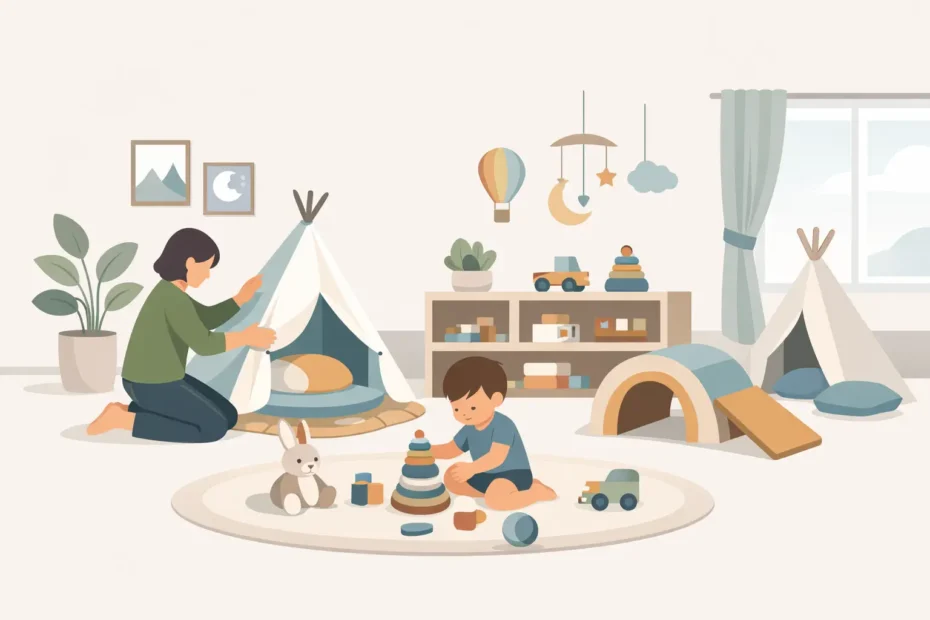
The best toddler play zones do not start with more toys. They start with better use of space. If you are wondering how to set up toddler play zone areas at home, the real goal is simple – create a safe, easy-to-manage space that keeps little ones active, curious and off the furniture.
For parents, that often means carving out a corner of the lounge, spare room or dining area without turning the whole house upside down. For nurseries and early years settings, it means building a play area that can handle daily use, support development and still be quick to clean. In both cases, the smartest setups are not the biggest. They are the ones planned around how toddlers actually move, climb, crawl, tumble and explore.
Start with the space, not the products
Before you buy anything, look at the room properly. Toddlers need room to move safely, but they do not need acres of floor space. A compact area can work brilliantly if it is laid out with intention.
The first thing to check is flooring. Hard laminate, tile and polished wood may be easy to wipe down, but they are not forgiving when toddlers lose balance. A play mat or padded flooring should be the base layer, especially if your child is still unsteady on their feet or you plan to include climbing shapes. Soft flooring also helps define the play zone visually, which is useful in open-plan homes where the play area shares space with everyday family life.
Then think about what sits around that area. Radiators, coffee table corners, TV units and low shelves can all become hazards if the zone is too close. A toddler play space works best when it has a clear boundary, even if that boundary is simply a mat, a low storage unit or a sensible gap from household furniture.
How to set up toddler play zone layouts that actually work
A good layout gives toddlers freedom without creating chaos. That means zoning the zone. Even in a small area, it helps to think in mini sections rather than one big pile of toys.
One part should be for active play. This is where soft play shapes, balance pieces, small slides or crawl-over items come into their own. Toddlers are not interested in sitting still for long, and a well-built active area channels that energy into safer movement. Foam shapes, step-and-slide units and low-level climbing pieces tend to work well because they are exciting enough to use again and again but still age-appropriate.
Another section can be for calmer play. A small mat area with books, sensory toys or simple puzzles gives children somewhere to reset. This matters more than many parents expect. Without a quieter spot, active play can tip into overstimulation, especially with younger toddlers.
Storage should sit at the edge of the play zone, not in the middle of it. Open baskets or low units are usually better than deep toy boxes because toddlers can see what is available. That makes it easier for them to choose independently and easier for adults to keep the area tidy. It also cuts down the classic problem of every toy being emptied onto the floor within five minutes.
Choose equipment that matches toddler behaviour
This is where many setups go wrong. People buy for appearance, not for use. A tidy-looking corner with decorative toys may look good for a day, but it will not hold a toddler’s attention if it does not offer climbing, lifting, stacking, crawling or imaginative play.
Soft play equipment is popular for good reason. It gives toddlers a safe way to test movement skills without the hard edges and bruising risk that come with improvised furniture-based play. Ball pits, soft blocks, wedges, tunnels, baby mats and balance beams all support gross motor development, but they also keep children engaged for longer because they can be rearranged and reused in different ways.
There is a trade-off, of course. Bigger sets offer more variety, but they need more room and more storage. If space is tight, it is often better to choose a few versatile pieces than cram in too much. A compact play mat, two or three foam shapes and a small ball pit can do far more work than a crowded area full of bulky plastic toys.
For commercial buyers, durability matters just as much as variety. Daily use in nurseries, schools and playgroups puts equipment under real pressure, so wipe-clean finishes, strong stitching and dense foam construction are worth prioritising. Cheap products can look like a saving until they start sagging, splitting or becoming difficult to sanitise.
Safety comes first, but practicality matters too
Every parent and buyer says safety is the priority, and rightly so. But in real life, practical safety matters more than vague claims on packaging. You want equipment that suits the child’s age and stage, fits the room properly and can be supervised easily.
That means avoiding oversized pieces in cramped rooms. It means leaving enough gap around climbing items for safe movement. It means checking that mats do not slide and that soft play pieces sit steadily on the surface below. It also means being realistic about your child. Some toddlers are cautious. Others launch themselves headfirst into everything. Your setup should reflect that.
Easy cleaning is part of safety too. If the play zone is awkward to wipe down, it will not stay fresh for long. Materials that can be cleaned quickly are a far better fit for busy homes and high-use childcare settings. In a domestic setup, this keeps the space manageable. In a nursery or playgroup, it is essential.
Keep it stimulating without making it overwhelming
A toddler play area should feel inviting, not chaotic. More equipment does not automatically mean better play. In fact, too much choice often leads to shorter attention spans, messier play and less meaningful use of what you have bought.
A better approach is to build around a few strong functions. Movement is one. Sensory play is another. Simple role play or quiet time can be the third. When the zone supports those three things, it already covers a lot of what toddlers need.
Colour matters here as well. Bright colours can make a space feel lively and fun, and children respond well to them. But there is a difference between playful and visually noisy. Coordinated colours or a consistent set of finishes help a play zone feel more put together, particularly if it sits in a family room rather than a dedicated playroom.
If you want the area to stay fresh, rotate smaller toys instead of constantly adding more. The main play equipment can stay in place, while books, sensory items and handheld toys change every week or two. That keeps interest up without increasing clutter.
Budget smartly and buy for the long term
If you are working out how to set up toddler play zone spaces without overspending, the key is to spend where it counts. The base layer and the core active pieces matter most. A safe mat and a few well-made soft play items will deliver more daily value than a pile of novelty toys that are ignored after a fortnight.
Parents often do best by starting small and adding only when the first pieces are clearly being used. Commercial buyers may need a fuller setup from day one, but even then, it pays to focus on products that offer repeat use across different age groups. A well-chosen soft play area can support crawling babies, confident toddlers and preschool children in different ways.
This is also where buying from a dependable UK supplier has real advantages. Better quality control, clearer support, more realistic delivery expectations and bespoke sizing all make a difference, especially when the room has awkward dimensions or specific safety requirements. Softplay Toys4Kids is one example of a supplier that understands both home and commercial play environments, with handmade UK soft play and custom options that help buyers match budget, space and age group more accurately.
Make the zone easy to live with
The best play area is the one you can actually maintain. If it takes twenty minutes to set up and clear away every day, frustration creeps in quickly. Toddlers do not care how stylish a play zone looks if it is hard to access or packed with things they cannot use independently.
Keep everyday favourites within reach. Store messy or supervised items separately. Leave enough floor area open for movement. If the space doubles as a family room, choose pieces that stack neatly or can be repositioned without hassle.
For nurseries and shared settings, flexibility matters even more. Modular pieces that can be rearranged for different sessions often give better value than fixed layouts. One day the area may support climbing and movement, the next it may need to open up for group activities.
A toddler play zone does not need to be huge, expensive or complicated to work well. It just needs to be safe, active, easy to manage and built around what children actually do. Get those basics right, and the space starts earning its keep from day one.
Leave a Reply