
UK Made Soft Play for Homes, Nurseries and Centres
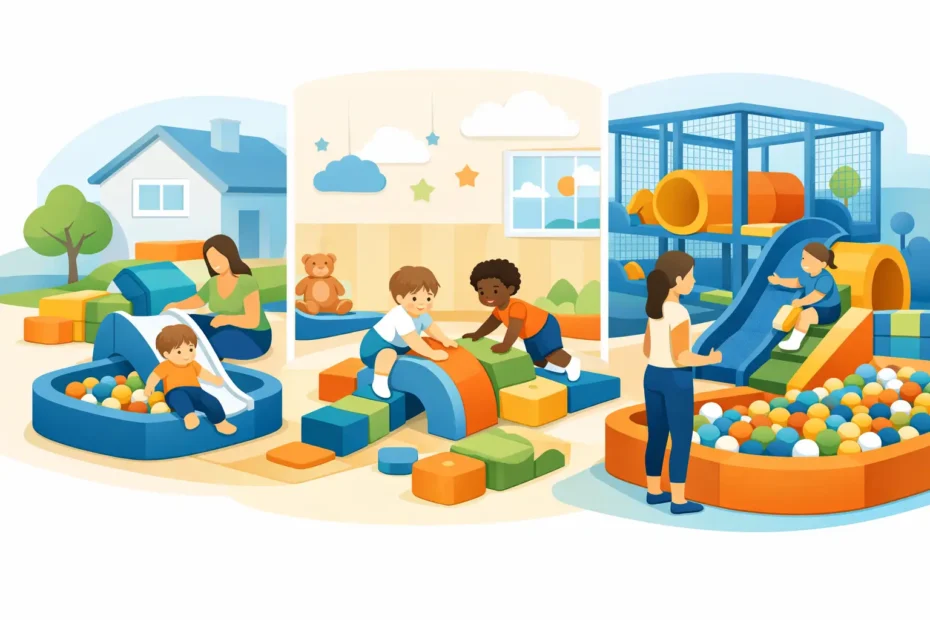
A toddler climbing a foam step, crawling through a tunnel and landing safely on a thick mat is not just keeping busy. They are building confidence, balance and coordination while using up some of that endless energy indoors. That is why UK made soft play is such a practical investment for families, nurseries and commercial venues that need play equipment to work hard every day.
Cheap-looking foam shapes can be tempting when you are comparing prices online. But soft play is handled, climbed on, pulled apart, wiped down and dropped on repeatedly. The right choice is not simply the biggest set for the lowest price. It is equipment with the right size, density, finish and layout for the children and space it needs to serve.
Why UK Made Soft Play Makes a Difference
Buying from a UK manufacturer gives parents and professional buyers more control over the details that matter. You can choose colours that suit a home playroom, nursery room or branded venue, request a size that fits an awkward corner, and discuss a layout before committing to a large order. That flexibility can prevent an expensive mistake, especially where every square metre counts.
It also makes support much more straightforward. If you are fitting out a preschool, preparing a new sensory area or replacing worn equipment in a busy play centre, you need clear answers and realistic lead times. Direct communication with the people supplying your equipment is far more useful than trying to make a one-size-fits-all imported set work after it arrives.
At Softplay Toys4Kids, equipment is made in West Yorkshire and supplied directly to homes, education settings and commercial customers. This direct approach helps keep prices competitive without treating safety, choice or service as optional extras.
Start With the Space, Not the Product Photo
A brilliant soft play area begins with a practical look at the room. Measure the usable floor area, account for doors opening, radiators, storage units and walkways, then consider where adults will sit or stand to supervise. A compact domestic setup may need a mat, a small ball pit and a few climbable shapes. A nursery may need more open floor space for group movement, with lower items for younger children.
Commercial buyers need to think one step further. How many children will use the area at the busiest time? Will different age groups share it? Is there enough room around climbing equipment for safe access and supervision? A large structure is not always the strongest choice. A well-planned collection of steps, ramps, slides, tunnels and pads often creates more varied play in a tighter footprint.
Match the challenge to the children
For babies who are sitting, crawling and pulling themselves up, low foam shapes, baby play mats and small ball pits are usually the sensible place to start. The aim is to encourage movement without creating an intimidating climb.
Toddlers can enjoy a little more challenge. Step-and-slide units, balance beams, wedges and crawling tunnels invite them to climb, turn, step and experiment. These actions help develop gross motor skills, but the pieces should still be stable, easy to supervise and suited to the children’s confidence levels.
Older preschool children generally benefit from layouts that can be rearranged. Change the route through the equipment and a familiar set becomes a new obstacle course, shop counter, castle wall or mini adventure zone. This is where a selection of individual shapes can outperform one fixed unit.
What Good Soft Play Should Deliver
The outside finish is what children see first, but the construction is what determines whether equipment remains fit for regular use. Look for easy-clean, durable covers, securely made joins and foam that is designed to hold its shape through repeated play. In a home, lighter use may make a smaller set ideal. In a nursery, school or play venue, daily footfall calls for equipment chosen with heavier use in mind.
Safety is not about making play boring. It is about giving children a more forgiving place to learn through movement. Floor mats and safety pads reduce the hardness of the surface beneath active play, while post protectors can make structural features less of a worry in a commercial environment. Ball pits need enough room for safe entry and exit, and climbing pieces need stable placement rather than being pushed into a corner as an afterthought.
Maintenance matters too. Busy parents need surfaces that can be wiped clean after snacks, sticky hands and everyday spills. Professional settings need a cleaning routine that staff can follow without taking an area out of action for hours. Smooth, wipe-clean finishes and sensible layouts make that job much easier.
Bespoke Soft Play Is Often Better Value
Bespoke does not have to mean extravagant. It can simply mean ordering a mat that fits the exact width of a room, choosing a ball pit that does not block a fire exit, or selecting colours that match a nursery’s existing furniture. Those choices help the finished space look considered and make better use of the money you are already spending.
For commercial venues, bespoke production can solve more complex problems. A custom soft play area can work around columns, low ceilings, unusual wall lengths or a desired customer route. It can also support a consistent brand appearance without relying on generic colours and mismatched pieces.
There is a trade-off. Standard, in-stock products can be the quickest answer when you need equipment promptly. Custom sizes and designs may require more planning and production time. The best decision depends on whether speed or a precise fit will deliver more value over the life of the equipment.
Choosing for Home, Nursery or Commercial Use
Parents often want equipment that feels special without taking over the whole living room. A foldable or compact arrangement can create a dedicated play zone during the day and leave more room for family life afterwards. Choose pieces that offer more than one use, such as a wedge that becomes a climbing ramp, a slide base or part of an imaginative play setup.
Nurseries, playgroups and schools should prioritise versatility, durability and supervision. A set that works for a morning movement session, free play and quiet sensory time gives staff more options. Neutral or coordinated colours can make a room feel calm, while brighter sections can be useful for defining activity zones.
Commercial operators should focus on capacity, circulation and long-term upkeep. Equipment must encourage children to move through the area without creating bottlenecks, and it should be straightforward for staff to inspect and clean. The cheapest initial quote is not always the best commercial purchase if replacement, maintenance or poor use of the space costs more later.
Questions Worth Asking Before You Order
Before selecting soft play equipment, ask how it will be used on an ordinary busy day, not just how it looks in a product image. Consider the age range, available floor area, cleaning routine, storage needs and whether the layout may need to change in six months. If you are buying for an organisation, think about delivery access too. Large pieces may need to pass through gates, corridors, lifts or narrow doorways.
You should also be clear about your budget, but do compare like with like. Check the dimensions, material finish, number of pieces and whether the product is designed for domestic or heavier commercial use. A price-beater promise is most useful when you can see exactly what you are comparing and know that the alternative genuinely meets the same standard.
Colour choice deserves more attention than many buyers give it. Pale shades can suit a calm home environment, but brighter colours may be more practical for busy children’s settings or themed commercial areas. The best choice is the one that works with your room, cleaning needs and the atmosphere you want children and families to feel.
Create a Play Area Children Want to Return To
The most successful soft play spaces do not need to be enormous. They need to feel inviting, safe and full of possibilities. Start with a solid foundation of mats or pads, add age-appropriate climbing and balancing equipment, then leave enough clear space for children to move freely. Review how the area is used after the first few weeks and rearrange pieces where necessary.
When you choose well-made equipment that fits your space and your children, active indoor play becomes part of the day rather than a rare treat. Compare carefully, ask for the right advice and build a setup that will keep earning its place long after the excitement of delivery day.
Leave a Reply