
Outdoor Play Equipment: The Ultimate Parent’s Guide for 2026
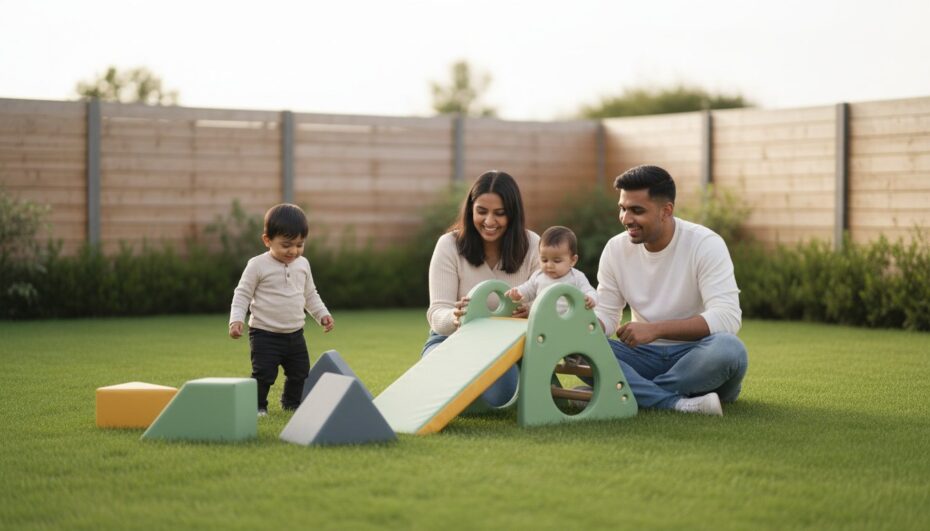
Dreaming of turning your garden into a wonderland of giggles and fun, but worried your space is too small, or that traditional sets are too advanced for your little one? We hear you. Ask any parent, and they’ll tell you that finding the perfect, high-quality outdoor play equipment that is safe, durable, and just right for their child’s age can feel like an impossible task. But what if it didn’t have to be?
Get ready to feel confident and inspired! This is your ultimate parent’s guide for 2026, lovingly created to help you navigate the world of outdoor play. We’ll show you how to choose the very best and safest options for your child, from classic swings to versatile, UK-made soft play that’s perfect for even the tiniest explorers. Discover how to create a stimulating, safe, and joy-filled garden play area, no matter the size of your space. Let’s build those happy memories!
What Are the Main Types of Outdoor Play Equipment?
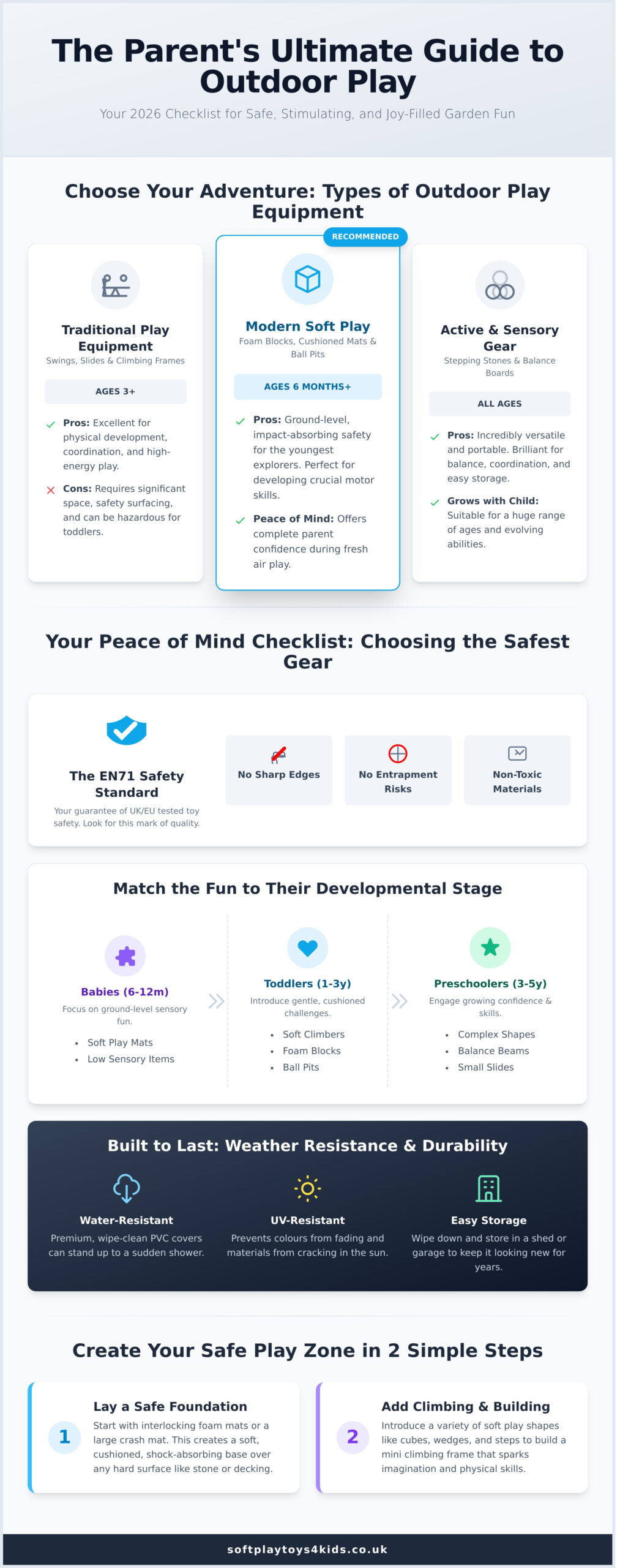
Ready to turn your garden into a wonderland of giggles and adventure? Choosing the right outdoor play equipment is the first step to creating a safe and stimulating space for your child. The world of garden fun has exploded, with many different types of outdoor play equipment now available, moving far beyond just a simple swing. From traditional wood and metal frames to modern, high-grade PVC foam sets, the key is matching the material and design to your child’s age and developmental stage to ensure maximum fun and safety.
Traditional Play Equipment: Swings, Slides & Climbing Frames
These classic garden staples are fantastic for encouraging adventurous play in older, more confident children (ages 3+). They build strength, coordination, and confidence as kids climb, swing, and slide. However, they come with important safety considerations:
- Pros: Excellent for physical development and imaginative, high-energy games.
- Cons: Requires significant garden space, mandatory safety surfacing like rubber chippings, and can pose a hazard for curious toddlers who might try to climb them.
The Modern Alternative: Bringing Soft Play into the Garden
Why should soft play fun be limited to indoors? We believe it’s the perfect solution for your youngest family members (from 6 months+). Imagine your baby, toddler, or preschooler exploring colourful soft play blocks, crawling on cushioned mats, or delighting in an outdoor-safe ball pit. This approach focuses on ground-level, impact-absorbing play, offering you complete peace of mind while your little one develops crucial motor skills in the fresh air.
Active & Sensory Gear: Stepping Stones, Balance Boards & More
For incredible versatility, portable active and sensory gear is an unbeatable choice. Items like colourful stepping stones, balance beams, and wobble boards can transform any patch of lawn into a dynamic obstacle course in minutes. They are brilliant for developing balance, coordination, and sensory processing skills. Best of all, they are easy to store away after playtime and are suitable for a huge range of ages, growing with your child’s abilities.
How to Choose the Safest Outdoor Play Equipment: A Checklist
Ask any parent what they want most for their child, and the answer is simple: for them to be happy, have fun, and above all, stay safe. When you’re choosing outdoor play equipment, safety should always be your number one priority. It’s the foundation for every giggle, jump, and adventure in your garden. This checklist is designed to give you complete peace of mind, ensuring you select equipment that’s not only fun but built to the highest safety standards. For an even more detailed guide, this comprehensive playground safety checklist from the CPSC is an excellent resource.
Understanding Safety Standards (EN71)
Ever seen “Conforms to EN71” on a toy? This isn’t just jargon; it’s your guarantee of safety. The EN71 standard is the UK and European benchmark for toy safety, covering everything from materials to construction. When you buy from a reputable UK manufacturer, you’re choosing products tested for:
- No Sharp Edges: Smooth, rounded corners to prevent cuts and scrapes.
- Entrapment Risks: Ensuring there are no gaps where little heads, fingers, or limbs could get stuck.
- Non-Toxic Materials: Finishes and fabrics that are free from harmful chemicals, so they are safe for curious hands and mouths.
Age-Appropriate Choices: From Babies to Big Kids
Choosing the right equipment for your child’s developmental stage is crucial for both safety and enjoyment. A setup that’s too advanced can lead to frustration and accidents, while one that’s too simple won’t hold their interest. Here’s a quick guide:
- For babies (6-12m): Focus on ground-level fun with soft play mats and low, sensory-rich items that encourage crawling and exploration.
- For toddlers (1-3y): Introduce gentle challenges like soft climbers, foam blocks, and ball pits. These are perfect for developing gross motor skills in a cushioned environment.
- For preschoolers (3-5y): As they grow in confidence, you can add more complex shapes, balance beams, and small slides to keep them engaged and learning.
Weather Resistance & Durability: What Lasts Outdoors?
Think soft play can’t handle the great British weather? Think again! High-quality outdoor play equipment is specifically designed for durability. Look for items made with premium, wipe-clean, and water-resistant PVC covers that can stand up to a sudden shower. UV-resistant materials are also essential to prevent colours from fading and the material from cracking in the sun. To get the most out of your investment, simply wipe it down after use and consider storing it in a shed or garage during harsh winter months to keep it looking brand new for years of fun.
Creating the Ultimate Outdoor Soft Play Area for Toddlers
Worried you don’t have enough space for fun in the sun? Think again! You can transform any garden, patio, or even a small decking area into a vibrant and safe haven for your toddler’s exploration. Forget needing a huge lawn; with a few clever layers of soft play, you can build a cushioned, engaging, and exciting play zone. This approach focuses on safety and developmental fun, turning even the most compact outdoor area into a world of adventure.
Step 1: Lay a Safe Foundation with Play Mats
Every great play area starts from the ground up. The first step is to create a soft, protective base using high-quality interlocking foam mats or a large crash mat. This instantly provides a cushioned surface over hard materials like stone or wood, absorbing the impact of tumbles and trips. Creating a safe, shock-absorbing surface is a core principle of playground safety, a point emphasized by resources like the CPSC Public Playground Safety Checklist. A dedicated mat also clearly defines the play space, helping to keep your little one cleaner while they play.
Step 2: Add Climbing and Building with Soft Play Shapes
Now for the fun part! Introduce a variety of soft play shapes like cubes, wedges, and steps to build a mini climbing frame. This is where your toddler’s imagination and physical skills come to life. These versatile pieces encourage the development of crucial gross motor skills such as crawling, climbing, and balancing in a low-risk environment. Because our shapes are lightweight and easy to handle, children can also move them around to build their own dens and forts, sparking creativity and independent play.
Step 3: Introduce Sensory Fun with an Outdoor Ball Pit
What toddler doesn’t love the thrill of a ball pit? Placing a durable foam ball pit on your soft play mat creates a fantastic sensory experience. The vibrant colours and tactile sensation of the balls provide hours of entertainment. When choosing one for your garden, ensure the materials are premium quality, waterproof, and easy to wipe clean after a session of outdoor fun. It’s the perfect way to keep a younger child happily and safely contained while they giggle and play.
Step 4: Design an Active Obstacle Course
As your child grows in confidence, you can use your soft play elements to design an ever-changing obstacle course. Combine soft play stepping stones, balance beams, and tunnels to create a new challenge every day. This type of active play is brilliant for promoting problem-solving skills, physical coordination, and building confidence with every successful run. Best of all, this modular form of outdoor play equipment is simple to reconfigure, keeping the fun fresh and exciting. Ready to get started? Explore our handmade soft play sets for your garden!
The Developmental Benefits of Outdoor Play
Watching your children giggle and run around the garden is a joy, but outdoor play is so much more than just a way to burn off energy! It’s a powerhouse for their development, combining the incredible benefits of fresh air and sunshine with stimulating activities that build strong bodies and sharp minds. When you choose the right equipment, you’re not just creating a play area; you’re building a foundation for learning and growth.
Boosting Gross Motor Skills and Physical Confidence
Every time your child climbs, balances, crawls, or tumbles, they are building crucial gross motor skills. Varied surfaces and structures challenge their coordination and build physical strength. This is where high-quality soft play makes a huge difference. It provides a wonderfully safe environment to practice new skills, like jumping off a block or mastering a balance beam, reducing the fear of falling and encouraging more adventurous and confident movement.
Enhancing Sensory Processing and Exploration
The garden is a feast for the senses, and combining this natural environment with tactile toys creates a unique multi-sensory experience. Imagine your child feeling the warm sun and a cool breeze while engaging with:
- The vibrant, exciting colours of soft play shapes standing out against the green grass.
- The unique textures of different foam blocks and mats.
- The immersive fun of a colourful outdoor ball pit.
This rich sensory input is vital for helping children understand and respond to the world around them.
Fostering Imagination, Creativity, and Social Skills
Is it a pile of blocks, or is it a magnificent castle? Are they stepping stones, or are they the only safe islands in a sea of lava? Quality outdoor play equipment becomes the perfect backdrop for limitless imagination. This open-ended environment encourages children to create their own stories and games, fostering creativity. When playing with friends or siblings, it also becomes a brilliant tool for developing social skills like sharing, cooperating, and problem-solving together.
Ready to transform your garden into a developmental wonderland? Explore our lovingly handmade range of premium soft play equipment and give your child the gift of safe, stimulating, and joyful outdoor play.
Your Adventure in Outdoor Play Starts Now
Choosing the right gear for your garden is a big decision, but now you’re equipped with the knowledge to make the perfect choice. You understand the incredible developmental benefits of outdoor play and have a safety checklist to ensure every moment is filled with happy, secure fun.
As you start your search for the ultimate outdoor play equipment, remember that quality and safety are non-negotiable. That’s where we come in. Why settle for less when you can have the best, right here from the UK?
We’re not just another retailer; we are proud UK manufacturers. Every piece is lovingly handmade in our factory, fully compliant with EN71 safety standards, and backed by our unbeatable Price-Beater Guarantee. So, what are you waiting for? Check out our UK-made outdoor soft play equipment before you checkout anywhere else!
Here’s to a garden filled with giggles, growth, and glorious adventures!
Frequently Asked Questions
Can soft play equipment be left outside in the rain?
While our high-quality soft play shapes are made with durable, wipe-clean PVC covers, we strongly advise against leaving them in the rain. Prolonged exposure to moisture can eventually seep into the seams and damage the internal foam, affecting safety and longevity. To keep your little one’s play area in top condition for years of fun, it’s best to store the equipment indoors or in a dry, sheltered space like a shed after a day of garden giggles.
How do I clean soft play toys after they’ve been used in the garden?
Keeping your soft play toys sparkling is a breeze! After a fun session in the garden, simply use a soft cloth with warm, soapy water to wipe down the PVC surfaces. For tougher grass stains or dirt, a gentle, non-abrasive cleaner will do the trick. This quick clean ensures your equipment is hygienic and ready for the next adventure. Always allow the pieces to air dry completely before storing them away to prevent any moisture build-up.
Is soft play equipment safer than a traditional wooden climbing frame for a toddler?
For your littlest explorers, soft play equipment offers a wonderfully safe introduction to active play. Unlike hard wooden or metal frames, our lovingly handmade pieces are crafted from high-density foam, cushioning tumbles and preventing bumps. This gives parents complete peace of mind while toddlers build their confidence climbing and crawling. While climbing frames are fantastic for older children, soft play provides the perfect, forgiving environment for a toddler’s crucial developmental stage.
What is the best surface to put under my outdoor play equipment?
Choosing the right surface is key to creating a safe play zone! The best surface for your outdoor play equipment is one that provides impact absorption. A well-maintained lawn is a great natural option. For superior protection, consider interlocking rubber play mats or artificial grass with a shock-absorbing underlay. Always avoid placing play equipment directly onto hard surfaces like concrete patios or paving slabs, as this significantly increases the risk of injury from a fall.
How much space do I need for an outdoor soft play area?
The beauty of soft play is its flexibility! A small starter set might only need a 2m x 2m area. However, the most important rule is to ensure a safe perimeter. We recommend leaving at least 1.5 metres of clear, unobstructed space around the entire play setup. This ‘fall zone’ should be free from any hazards like garden furniture, fences, or hard paths, giving your child plenty of room to play freely and safely.
At what age can my child start using outdoor play equipment?
Your child can start their adventure with outdoor play equipment sooner than you might think! Our soft play shapes and rockers are perfect for babies from around 6 months old, once they can sit up and begin to explore. This early engagement helps develop crucial motor skills in a safe, stimulating environment. For more traditional equipment like swings or small slides, the recommended age is typically from 2-3 years, once their balance and coordination have improved significantly.
Leave a Reply