
How to Clean Ball Pit Balls Properly
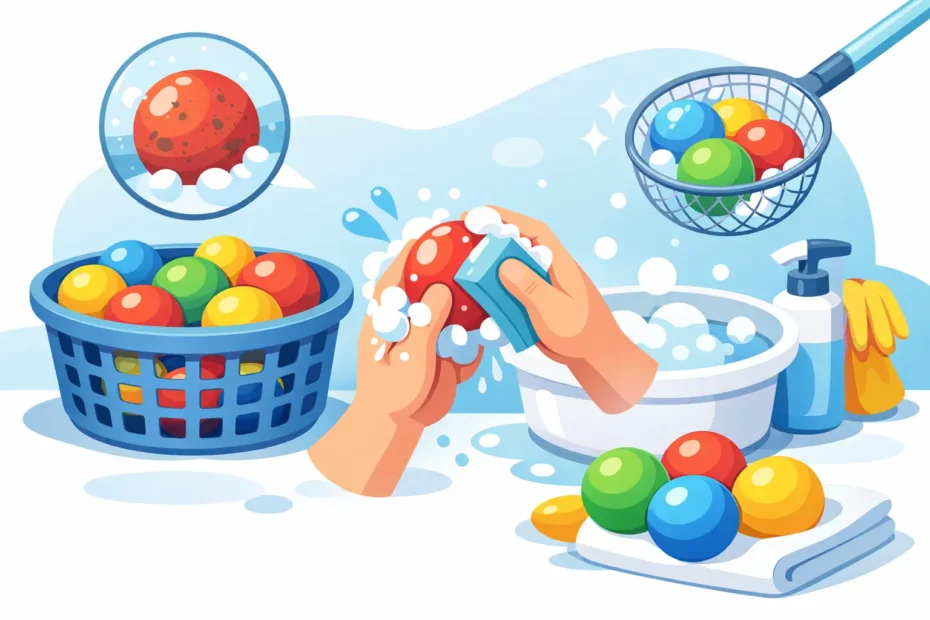
A ball pit never looks dirty until you actually start cleaning it. Then you spot the sticky fingerprints, the biscuit crumbs, the mystery fluff and the general build-up that comes with busy children using it properly. If you are wondering how to clean ball pit balls without turning it into an all-day job, the good news is that it is straightforward when you use the right method and keep on top of it.
For parents, the goal is usually a quick, safe clean that keeps home play hygienic. For nurseries, schools and commercial soft play operators, the standard needs to be higher because the volume of use is higher too. Either way, the same rule applies: regular cleaning is easier, faster and better for the lifespan of your equipment than waiting until the whole pit feels overdue.
Why ball pit balls need cleaning more often than most people think
Ball pit balls are handled constantly. Children hold them, sit on them, throw them, mouth them and drop them on floors before they go straight back into the pit. Even in a clean indoor environment, that means grease from hands, saliva, dust and food residue can build up quickly.
In a home setup with one or two children, you can usually work to a lighter routine unless there has been illness, messy play or food involved. In a nursery or soft play centre, you need a more structured schedule because high traffic changes everything. More children means more contact points, quicker contamination and a greater need to show parents and staff that hygiene is being managed properly.
There is also the practical side. Clean balls simply last better. Dirt and residue can make them feel tacky, dull the finish and leave the whole pit looking older than it is. If you have invested in a quality ball pit, keeping it clean protects both appearance and play value.
How to clean ball pit balls safely
The safest approach is simple: use warm water, a mild child-safe cleaning solution and a system that lets you wash, rinse and dry thoroughly. Harsh chemicals are rarely necessary and can create their own problem if residue is left behind.
Start by removing the balls from the pit. For smaller home pits, that might be manageable by hand into large storage bags, laundry baskets or clean crates. For larger setups, especially in nurseries or commercial environments, it makes sense to work in batches so you do not create chaos in the room. Once the balls are out, check the pit itself as well. There is no point cleaning the balls only to return them to a base filled with dust and crumbs.
If the balls only need a routine freshen-up, washing them in a large tub or sink with warm soapy water is usually enough. Agitate them gently by hand so the surface gets properly cleaned. Avoid very hot water, as extreme heat can affect the plastic over time, particularly with lower-grade balls. That is one reason buying durable, well-made equipment matters from the start.
After washing, rinse them with clean water to remove any soap residue. Then dry them fully before putting them back. This part matters more than people think. Trapped moisture can leave the pit smelling stale and can transfer dampness to surrounding soft play items.
The best cleaning method for home ball pits
For home users, speed and simplicity matter. You do not need an industrial process, but you do need consistency. A good routine is to spot-clean visible dirt weekly and do a fuller clean every few weeks, depending on use.
If your child uses the pit daily, a wipe-down and wash cycle should happen more often than if it is only used at weekends. The same goes if younger babies are involved, because anything within grabbing range has a habit of ending up in the mouth.
A practical home method is to fill the bath with warm water and a small amount of mild detergent, then wash the balls in manageable batches. Swirl them around, lift them out, rinse with the shower head or in a second bath of clean water, then spread them over clean towels to air dry. It is not glamorous, but it works and it keeps costs down.
Parents often ask whether anti-bacterial sprays are the better option. Sometimes, but not always. Sprays can help with quick maintenance between full cleans, yet they should not replace proper washing when dirt is visible. A disinfectant is only useful if it is suitable for children’s play equipment and used exactly as directed. Too strong, and you risk residue. Too weak, and you have not really solved the problem.
How to clean ball pit balls in nurseries and commercial settings
In a busy setting, the question is not only how to clean ball pit balls, but how to do it efficiently without disrupting the day. That calls for a schedule, staff responsibility and a method that can handle volume.
For many nurseries and play centres, daily visual checks are the minimum. Balls with obvious dirt should be removed straight away, and the whole pit should be inspected for debris. A more thorough clean might happen weekly or fortnightly, depending on usage levels. During periods of coughs, colds or sickness, cleaning frequency should increase.
Batch washing is usually the most realistic method. Remove a section of balls at a time, clean them in large tubs or suitable washing equipment, rinse thoroughly and leave them to dry in a clean area before refilling the pit. Trying to rush this stage usually backfires. If balls go back damp, you create more work later.
Commercial buyers also need to think about documentation. If you run a nursery, school or soft play venue, having a clear cleaning log supports hygiene standards and reassures parents. It shows the play area is not just attractive when installed, but properly maintained after purchase as well.
What to avoid when cleaning ball pit balls
The biggest mistake is using cleaning products that are far too aggressive. Strong bleach mixes, abrasive cleaners and heavily perfumed solutions can damage the balls or leave a residue you do not want near children. Mild and effective is the better route.
The next mistake is incomplete drying. Even if the balls look clean, putting them back wet can leave moisture sitting at the bottom of the pit. That affects freshness and can make surrounding mats or foam items damp too.
It is also worth resisting the temptation to clean only the balls you can see. Dirt settles at the bottom, where the less-used balls sit. If you only skim the top layer, the pit will not stay fresh for long.
Finally, do not ignore damaged balls. If any are cracked, misshapen or crushed, replace them. Cleaning cannot fix worn-out stock, and damaged plastic is not what you want in a child’s play area.
How often should you clean them?
There is no one-size-fits-all answer because usage varies. A home ball pit used by one toddler a few times a week is very different from a nursery pit used by dozens of children. Still, a sensible guide works well.
At home, inspect weekly, clean visible dirt immediately and carry out a full wash every two to four weeks. In nurseries, schools and commercial venues, frequent checks should be part of the routine, with scheduled full cleans based on footfall. If there has been illness, accidents, food spills or heavy use during an event, clean sooner rather than later.
This is where quality equipment earns its keep. Strong, well-made balls are easier to wash, hold their shape better and maintain a cleaner-looking finish over time. Cheap balls may look like a saving at first, but they often scuff, dent or fade faster, which makes the whole setup look tired.
Keeping the whole ball pit cleaner for longer
Cleaning the balls is only part of the job. If you want the whole area to stay fresh, a few habits make a real difference. Keeping shoes off the play area cuts down on dirt straight away. Limiting snacks around the pit helps too, especially with younger children who have a talent for grinding food into places it should never be.
Storage matters as well. If the pit is not used every day, cover it or keep it in a clean indoor space. Dust settles quickly, and once it mixes with sticky hands, it clings.
For commercial environments, layout can help. Positioning the pit away from food zones, entrances and high-traffic walkways reduces contamination. It sounds basic, but practical setup decisions save cleaning time week after week.
If you are buying new equipment, easy-clean materials and reliable manufacturing should be part of the decision, not an afterthought. That is one reason many buyers prefer UK-made soft play equipment from a supplier that understands heavy use, safety and maintenance in real environments, not just in a showroom.
A clean ball pit does more than look better. It reassures parents, supports a safer play environment and protects the value of the equipment you have paid for. Keep the routine simple, keep it regular, and the job stays manageable instead of becoming a major clear-out.
Leave a Reply