
Play Mats That Make Everyday Play Safer
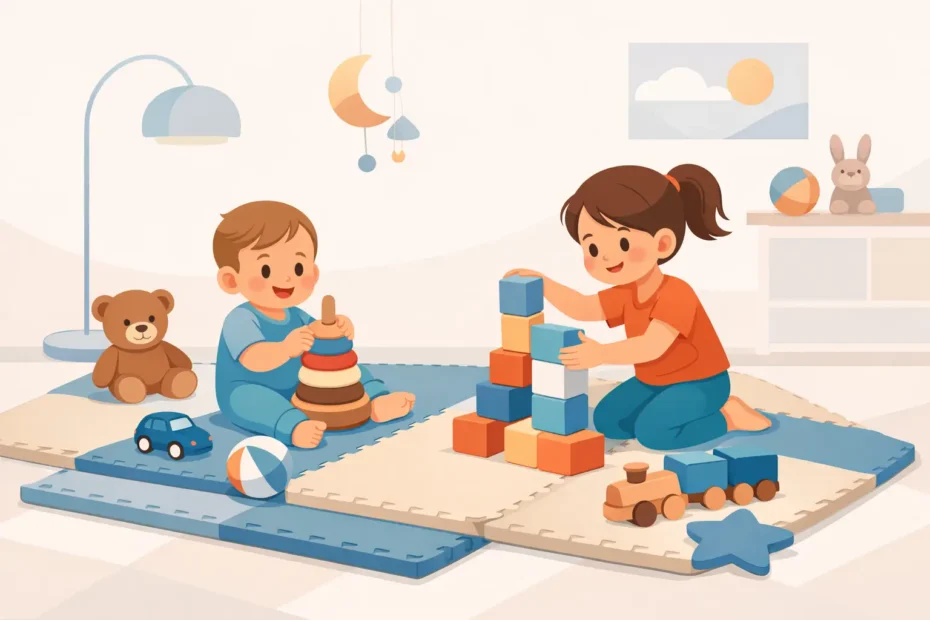
A hard floor can turn a confident first crawl into a tearful bump in seconds. The right play mats create a cleaner, softer and more inviting base for babies, toddlers and energetic young children, whether they are practising tummy time in the lounge or taking on a full soft play circuit at nursery.
For parents, a mat can make everyday floor play feel safer and easier to manage. For nurseries, schools and commercial venues, it is a practical safety layer that needs to stand up to constant use, regular cleaning and plenty of little feet. The best choice is not simply the thickest or cheapest option. It needs to suit the child, the space and the kind of play happening on top of it.
Why play mats matter from the very first movements
Babies spend a huge amount of time close to the floor. They roll, reach, push up, crawl and eventually pull themselves to standing. A supportive padded surface gives them a more comfortable place to explore these movements, while helping to reduce the impact of the small slips and tumbles that come with learning.
As children grow, the role of a mat changes. It becomes a landing area beneath soft play shapes, a defined zone for construction toys, a base for balance games or somewhere to sit for stories and group activities. This is why a play mat is not just an accessory. It can make a room work harder for family life and give a setting a clear, child-friendly activity area.
There is a sensible limit to what any padded surface can do. Play mats reduce bumps from everyday play, but they do not replace adult supervision or the need to position climbing equipment safely. Keep higher soft play units on suitable safety flooring, allow space around active equipment and choose a setup appropriate for children’s ages and abilities.
Choosing play mats for home use
At home, the biggest question is usually where the mat will live. A compact baby mat may be perfect for a nursery, playroom or corner of the lounge, while a larger padded mat works better if siblings share the space or if you have soft play blocks, a ball pit or a small slide.
Measure before ordering. It sounds obvious, but it prevents the usual disappointment of a mat that is either lost in the middle of a large room or just too wide for the available floor space. Consider door swings, radiators, furniture and how much clear area a child needs to crawl or move around safely.
Thickness matters, but it depends on the activity. For calm baby play, a comfortable wipe-clean padded mat can provide an ideal surface. For jumping, tumbling, stepping down from shapes or active toddler games, more substantial padding is the better choice. The floor underneath matters too. A mat over carpet feels different from a mat on laminate, tiles or concrete, so choose with the whole setup in mind.
Parents should also think about real life rather than showroom life. Milk spills, snack crumbs, paint, muddy socks and sticky hands are all part of childhood. A surface that can be wiped down quickly is far more likely to stay in daily use than one that needs complicated washing or cannot cope with regular cleaning.
What nurseries and play settings need from a mat
Commercial and educational buyers have a different checklist. A nursery play area may have dozens of children using it every day, often alongside foam shapes, balance beams, mirrors and sensory resources. Durability, hygienic maintenance and a secure fit within the room become essential.
A good commercial setup should match the way the room is used. A quiet baby area needs a comfortable, enclosed feel. A gross motor area needs open space and reliable impact protection around active equipment. Reception areas, after-school clubs and community halls may need mats that can be moved, stored or arranged around changing activities.
Custom sizing can be a major advantage where standard dimensions leave awkward gaps or fail to cover a key area. Bespoke colours also help settings create zones, reflect their existing décor or build a brighter, more recognisable soft play environment. It is worth planning the whole area before buying individual pieces, especially where wall protection, safety pads or larger foam equipment are involved.
For high-use environments, ask practical questions before making a decision. How easily can the surface be cleaned between sessions? Will it cope with daily footfall? Does the size allow staff to supervise children clearly? Can extra pieces be added later if the room changes? Buying for the next few months alone can lead to a false economy.
Material, finish and cleaning: the details that count
Children notice colour and texture immediately, but adults need to look beyond appearance. A quality padded mat should feel supportive, hold its shape and have a durable outer finish suitable for its intended use. Edges, seams and joins deserve attention because they receive plenty of wear in busy homes and settings.
Wipe-clean surfaces are especially useful for younger children and shared environments. Regular cleaning with appropriate mild products helps keep the area fresh without damaging the material. Always follow the care guidance supplied with the mat, and avoid harsh chemicals that may affect the finish over time.
Colour is more than decoration. Brighter shades can make a playroom feel cheerful and encourage children into a designated activity area. Neutral colours may suit a living space where parents want the equipment to blend in more quietly. In a nursery or commercial environment, contrasting colours can help define routes, activity zones or calm corners.
Building a safer soft play area around your mat
A mat works best when it is part of a considered setup. Place it on a clean, level floor and avoid positioning it where it can slide into a doorway, sit against a hot radiator or become a trip hazard for adults. If using multiple mats, arrange them closely so children are not catching toes in gaps.
For babies, keep the area simple. A mat, a few age-appropriate sensory toys and plenty of room to move is often more useful than filling the space with equipment. For toddlers, add low foam shapes, stepping blocks or a small ball pit to encourage climbing, crawling, carrying and imaginative play.
Older preschool children usually benefit from change. Rearrange shapes into a simple obstacle course, create a shop, a castle or a jungle trail, then return the area to open floor play when needed. The mat gives you the dependable base; the play opportunities can develop as the child does.
When combining mats with larger soft play equipment, leave a clear landing zone around slides, steps and balance pieces. Do not overcrowd the floor with too many items at once. Children need room to move, staff need clear sight lines and parents need confidence that the setup is manageable rather than chaotic.
Getting value without cutting corners
Price matters, particularly when furnishing a nursery room, opening a play venue or creating a home soft play space on a family budget. But the lowest upfront price is not always the best value if the mat is thin, difficult to clean or quickly loses its shape.
Look for a supplier that understands both domestic and commercial needs, can advise on sizing and can provide options rather than pushing a one-size-fits-all solution. UK-made equipment offers a practical advantage when you need bespoke dimensions, particular colours or support planning a larger area. Softplay Toys4Kids manufactures in West Yorkshire and can help buyers match padded flooring and soft play equipment to the space they actually have.
Compare like for like before you buy. Check dimensions, intended use, finish, padding and whether the product is designed for the level of activity you expect. A smaller, well-made mat in the right location can be more useful than a larger one that does not fit the room or the child’s routine.
The best play area is one children return to every day. Choose a mat that suits your floor, your space and the way your children really play, then leave enough room for their confidence, imagination and energy to grow.
Leave a Reply