
Wall Corner Protector Guide: Ensuring Safe Soft Play in 2026
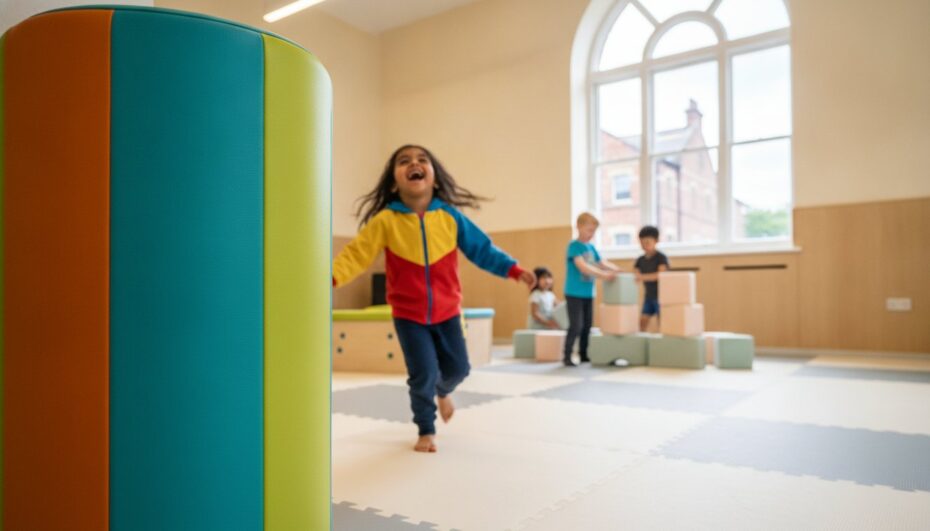
Did you know that more than 40 children under the age of 10 are admitted to UK hospitals every single day due to falls? It’s a staggering figure that hits home for any parent or nursery manager trying to balance high-energy play with absolute safety. You want your little ones to have a space where they can run, jump, and explore without you constantly hovering over every sharp corner. We understand the frustration of finding protective wall padding that actually stays stuck and doesn’t make your beautiful playroom look like a cold, industrial warehouse.
In this guide, we’ll show you how to choose and install the perfect wall corner protectors to create a worry-free environment where “yes” is the only word they hear. You’ll discover how to select durable materials that survive years of heavy use while remaining incredibly easy to clean. We’re going to break down the latest 2026 safety standards, compare the best UK-manufactured options, and give you the confidence to build a play zone that’s as stylish as it is secure. It’s time to turn those dangerous edges into soft, bouncy boundaries.
Key Takeaways
- Learn why specialised impact-absorbing guards are essential for high-energy play zones compared to standard industrial protectors.
- Discover how to choose the right materials for your protective wall padding to ensure it survives heavy daily use while remaining easy to clean.
- Identify the critical fire-retardant ratings and safety standards required for commercial nurseries and schools across the UK.
- Master professional installation techniques, including the vital surface preparation steps that prevent adhesive failure over time.
- Understand the benefits of handmade, UK-manufactured safety pads that offer bespoke fits for awkward corners and unique play spaces.
Wall Corner Protectors: Why They Are Vital for Play
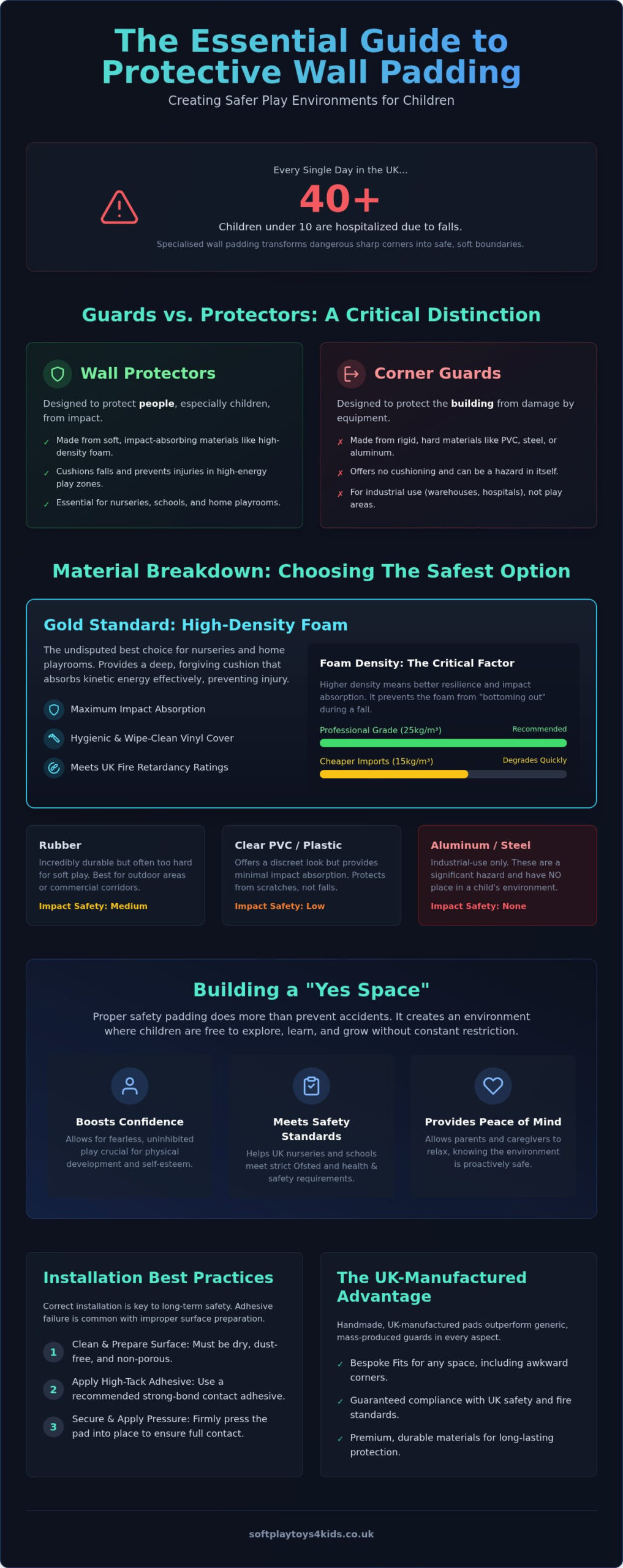
At its core, a wall corner protector is a safety accessory designed to cushion or shield sharp 90-degree edges. While a standard office might get away with thin plastic strips, high-energy soft play environments demand something much more robust. We’re talking about specialised, impact-absorbing versions that can handle a full-speed toddler collision without a second thought. This isn’t just about covering up a corner. It’s about installing high-quality protective wall padding that transforms a potential hazard into a soft, safe surface. By neutralising these danger zones, you effectively prevent common playroom injuries like painful bumps, nasty grazes, and those deep bruises that put a stop to the fun.
Corner Guards vs. Corner Protectors: What’s the Difference?
It’s easy to get confused by the terminology, but the difference is vital for your child’s safety. Traditional guards are typically rigid, made from hard PVC or even metal. Their primary job is to stop trolleys or equipment from scuffing the paintwork; they protect the building, not the person. In contrast, protectors are padded, usually featuring high-density foam or rubber. Because children move with such unpredictable speed, soft play areas almost always require a protector. You need a material that gives under pressure, much like the various playground surfacing materials found in professional parks, to ensure the impact is absorbed by the padding rather than the child’s head.
The Role of Protection in Early Years Development
When you install professional-grade protective wall padding, you’re doing more than just ticking a safety box. You’re creating what experts call a “Yes Space.” This is an environment where children can develop their gross motor skills through fearless, energetic movement. Can they run? Yes. Can they tumble? Yes. This uninhibited play is crucial for physical development and confidence. For UK nursery providers, this isn’t just a “nice to have” feature. Meeting strict Ofsted or health and safety requirements often hinges on your ability to prove that every sharp edge is sufficiently shielded. For parents at home, it simply means you can finally sit back and enjoy the play session without the constant, nagging anxiety of a trip to A&E. Our handmade safety pads from our West Yorkshire factory are built specifically for this purpose, offering a premium, reliable alternative to generic plastic guards.
Comparing Materials: Foam, Rubber, and Plastic Corner Protectors
Selecting the right material for your safety zones is a decision that impacts every tumble and crawl. While generic shops might offer basic plastic strips, true protective wall padding requires materials engineered specifically for high-energy impact. Soft play foam is the undisputed gold standard for UK nurseries and home playrooms. It provides a deep, forgiving cushion that absorbs energy rather than reflecting it back into a child’s head. While rubber guards offer incredible durability for high-traffic commercial corridors or outdoor play areas, they often lack the “squish” needed for a dedicated soft play room. For those worried about home aesthetics, clear PVC offers an almost invisible shield, though it provides significantly less impact protection than professional foam. Whatever you do, steer clear of aluminium or steel guards; these are industrial tools for warehouses and have no place in a child’s safe haven.
Why Foam Density Matters for Impact Safety
Not all foam is created equal. For a safe environment, you need closed-cell foam that doesn’t “bottom out” when a child falls against it. In the UK, professional-grade padding typically uses a foam density of 25kg/m³ to ensure maximum resilience. Cheaper imports often use a lower density of 15kg/m³, which degrades quickly and fails to provide adequate cushioning during heavy use. For nurseries, hygiene is just as important as safety. That’s why our handmade protectors feature wipe-clean vinyl coverings that meet Class 0 or Class 1 fire retardancy ratings. Impact absorption is defined by the material’s ability to dissipate kinetic energy, with a 25kg/m³ density being the benchmark for commercial safety. For more on how materials are tested for safety, the Public Playground Safety Handbook offers a fantastic deep dive into global standards.
Aesthetic Choices: Matching Protectors to Your Playroom
Safety doesn’t have to look like a hospital wing. You can easily colour-match your protectors to your existing baby play mats to create a cohesive, inviting space. We offer textured and smooth finishes to suit your style, though smooth vinyl is often the winner for quick cleaning. If you’re building a larger project, consider integrating these protectors into custom-built indoor playground equipment for a seamless look. Why settle for generic plastic when you can have bespoke, UK-made protection? Explore our range of bespoke safety pads to find the perfect fit for your West Yorkshire home or business.
Commercial vs. Home Use: Selecting the Right Protection Level
Are you outfitting a cosy spare room or a bustling city nursery? The answer changes everything about the equipment you need. For residential setups, the focus is often on non-toxic materials and adhesives that won’t ruin your expensive paintwork. You want protective wall padding that feels like a natural part of the home, not a construction site. Commercial environments, however, operate on a different scale of intensity altogether. They require heavy-duty durability to survive the impact of hundreds of tiny boots every single week. In these professional spaces, fire-retardant ratings aren’t just a bonus; they’re a legal necessity for insurance and building safety. Before you buy, assess your space to identify “High-Velocity” corners, like those at the end of a long running corridor, versus “Low-Impact” edges in quiet reading nooks.
Safety Standards and UK Regulations for 2026
Navigating UK safety law can feel daunting, but it’s the foundation of a worry-free play zone. For 2026, all indoor safety padding in commercial or educational settings must meet strict fire retardancy regulations, typically achieving a Class 0 or Class 1 rating. While BS EN 1177 focuses on fall heights for flooring, BS EN 1176 is the primary standard you’ll want to check for general play equipment safety. Every piece of foam padding should also carry a “Safe Toy” certification to ensure no harmful chemicals are present. For a practical way to audit your own setup, this Soft Contained Play Equipment Safety Checklist is an excellent resource for maintaining professional standards and identifying hidden risks.
Bespoke Solutions for Columns and Pillars
What happens when your play area is interrupted by a structural pillar? Standard L-shaped protectors just won’t cut it for round columns or awkward architectural features. This is where the value of custom-made soft play equipment becomes clear. At our West Yorkshire factory, we specialise in handmade, bespoke protective wall padding that wraps perfectly around any shape, ensuring no gap is left unguarded. Measuring your space correctly is the first step toward a professional fit. Don’t settle for “near enough” when it comes to structural hazards. Our bespoke column padding provides the seamless, secure finish that generic, off-the-shelf guards simply can’t match. We’re proud to be a local manufacturer that understands the unique architectural challenges of UK buildings, helping you turn every obstacle into a safe play feature.
Step-by-Step Installation: How to Secure Your Corner Guards
How do you make sure your new protective wall padding survives a high-speed collision with a determined toddler? The secret isn’t just in the foam; it’s in the bond. While some competitors might suggest a “peel and hope” approach, we know that proper installation is what keeps your play area safe for the long haul. You have two main routes for adhesives: high-tack self-adhesive tape for quick home setups or heavy-duty silicone sealants for unshakeable commercial durability. Measuring your space is equally critical. Use a steel ruler and a fresh craft knife to avoid those unsightly jagged edges that can catch on clothes or skin. Once applied, patience is your best friend. Give the adhesive a full 24 hours to cure before allowing the first “crash test” by the little ones.
The ‘Clean-First’ Method for Long-Lasting Grip
The most common reason for protector failure is a dusty wall. Dust, oils, and even invisible residues from cleaning products create a barrier that prevents the adhesive from ever truly grabbing the surface. We recommend using an alcohol-based cleaner to strip away these contaminants before you even think about peeling the backing off. Also, keep an eye on the thermostat. Adhesives struggle to bond in freezing rooms, so ensure the area is at a comfortable room temperature during the installation process. This simple preparation step ensures your safety pads stay unbudgeable even in the busiest nurseries.
Maintenance and When to Replace Your Protectors
Our handmade vinyl covers are designed for easy maintenance, but they still need a little love to stay in top condition. A daily wipe with a damp cloth and mild detergent keeps them hygienic and looking fresh for years. Over time, look out for signs of “adhesive fatigue.” If a corner starts to lift, don’t wait for it to fall; peel it back, clean the area again, and re-apply a fresh bond. When your children finally outgrow the soft play stage, use a hairdryer to gently warm the adhesive before removal. This softens the grip and helps protect your paintwork from peeling away. If you’re looking for unshakeable safety, our team offers professional guidance for all our UK-manufactured safety pads to give you total peace of mind.
Why UK-Manufactured Soft Play Padding Outperforms Generic Guards
Why settle for a “near enough” solution when your child’s safety is on the line? While generic trade suppliers might offer bulk wall corner protection, they often lack the specialist expertise required for high-energy play. We do things differently. Every piece of protective wall padding we sell is handmade right here in our West Yorkshire factory. This hands-on approach means we don’t just ship products; we craft safety solutions that are built to last. By choosing UK-manufactured equipment, you’re avoiding the “one size fits all” trap that often leads to dangerous gaps in protection. Plus, buying direct means you get premium craftsmanship without paying a penny in middleman markups.
Local sourcing isn’t just a buzzword for us; it’s our commitment to quality and sustainability. By manufacturing domestically, we significantly reduce the carbon footprint of your playroom compared to international imports. It also allows us to maintain rigorous safety standards that cheaper alternatives simply can’t match. When you buy from us, you’re investing in British jobs and ensuring that your equipment meets the latest 2026 UK fire retardancy and impact regulations. We invite you to compare our build quality with any generic guard on the market. We’re confident you’ll see the difference in every stitch.
From Our Factory to Your Playroom
There’s a unique sense of pride in knowing exactly where your UK-made soft play comes from. Our West Yorkshire team handles every stitch and seal, ensuring that your safety pads are as durable as they are beautiful. Domestic manufacturing isn’t just about labels; it’s about speed and control. Need a specific colour to match your branding? We can do it. Need a replacement part in a hurry? We’re just a phone call away. This level of quality control is simply impossible with generic mass-produced guards that spend weeks on a shipping container.
Get a Custom Quote for Your School or Nursery
Large-scale commercial projects require a level of precision that off-the-shelf products can’t provide. Whether you’re outfitting a new nursery or upgrading an existing school hall, our design team is ready to help. We specialise in creating bespoke safety pads that fit perfectly around unique architecture, from low-hanging beams to octagonal structural pillars. Don’t leave your safety to chance with industrial gear designed for warehouses. Contact our team today for a custom safety assessment and let’s build a space where children can play without limits. We’re here to be your trusted partner in creating the ultimate “yes” space for your little ones.
Build Your Ultimate Worry-Free Play Zone
Creating a space where children can explore without limits starts with removing the fear of sharp edges. By choosing high-density foam and following professional installation steps, you’ve taken the most important step toward a safe, energetic environment. You now know why specialised protective wall padding is the superior choice over generic industrial guards, especially when it’s handmade to meet rigorous UK safety standards. Whether you’re outfitting a cosy home playroom or a bustling commercial nursery, the right protection allows children to develop their motor skills with total confidence.
Ready to transform your space? At SoftplayToys4kids, we take pride in our craftsmanship. Every protector is handmade in our West Yorkshire factory and trusted by schools and nurseries across the country. With our price-match promise on all soft play gear, you don’t have to compromise on quality or safety. Shop our range of UK-made safety pads and protectors today and give your little ones the “yes” space they deserve. Let’s make every tumble a safe one!
Frequently Asked Questions
Are wall corner protectors safe for babies who are teething?
Our corner protectors are perfectly safe for teething babies because we use high-quality, non-toxic vinyl covers. Unlike hard plastic guards that can chip or splinter, our soft foam provides a gentle surface for curious little mouths. We prioritise safety above all else, ensuring that the materials used in our West Yorkshire factory meet strict UK standards for child safety. It’s a worry-free choice for any nursery or home environment where oral exploration is part of daily play.
Will self-adhesive corner guards damage my paint when removed?
Self-adhesive guards won’t necessarily damage your paint if you follow a careful removal process. We recommend using a hairdryer to gently warm the adhesive, which softens the bond and allows the protector to pull away cleanly. If your paint is already peeling or was applied to an unprimed surface, there’s always a slight risk. However, for most modern UK homes with well-maintained walls, our adhesive offers a secure grip that respects your decor when it’s time for a change.
What is the best material for a corner protector in a high-traffic nursery?
High-density, closed-cell foam with a heavy-duty PVC cover is the absolute best choice for a high-traffic nursery. This type of protective wall padding is specifically engineered to absorb heavy impacts while remaining incredibly easy to sanitise between play sessions. While rubber is durable, it doesn’t offer the same level of cushioned protection that a 25kg/m³ density foam provides. It’s the gold standard for creating a safe, professional environment that can handle hundreds of energetic toddlers every week.
How do I measure my wall corners for custom padding?
Measuring your corners for custom padding is a straightforward process that ensures a professional, seamless fit. You’ll need to record the total height required and the width of both wall faces that form the 90-degree angle. Always use a steel tape measure for accuracy, as fabric tapes can stretch and lead to gaps. If you’re dealing with structural pillars or rounded columns, please contact our design team in West Yorkshire for specific guidance on capturing these unique architectural dimensions correctly.
Can wall corner protectors be used outdoors on brick or stone?
Yes, wall corner protectors can be used outdoors on brick or stone, provided you select a weather-resistant material. Our PVC-covered foam and heavy-duty rubber guards are designed to withstand the British weather without degrading or losing their impact-absorbing properties. For these rougher surfaces, you’ll likely need a high-strength silicone sealant rather than standard adhesive tape to ensure a permanent bond. This makes them ideal for shielding sharp edges on garden walls or external school play areas.
Do I need a professional to install corner guards in a commercial play centre?
You don’t strictly need a professional for installation, but it’s often recommended for commercial play centres to guarantee full regulatory compliance. A professional installer ensures that every piece of protective wall padding is securely bonded and meets the specific fire safety requirements for public buildings. While our step-by-step guide makes DIY possible for home users, commercial clients benefit from the extra peace of mind that comes with a certified installation, especially when dealing with large-scale or bespoke projects.
Are your corner protectors fire retardant and non-toxic?
Every protector we manufacture is fully fire retardant and non-toxic to meet the latest 2026 UK safety standards. We use materials that achieve Class 0 or Class 1 fire ratings, which is a legal requirement for most schools, nurseries, and public play areas. Our foam and vinyl are also free from harmful phthalates and chemicals, ensuring a healthy environment for children to play. We take immense pride in our domestic manufacturing process, which allows for rigorous quality control on every item we produce.
How long do foam corner protectors typically last in a busy playroom?
Foam corner protectors typically last between three and five years in a busy commercial playroom before showing signs of significant wear. In a residential home environment, they can easily last much longer with regular cleaning and basic maintenance. The key to longevity is the quality of the outer PVC skin, which protects the inner foam from moisture and physical damage. If you notice the adhesive lifting or the foam beginning to lose its bounce, it’s time to consider a replacement to maintain safety.
Leave a Reply