4 Ways to Repurpose a Spare Bedroom for Therapeutic Play
A therapeutic play zone needs more than toys: it needs room for different kinds of play. Repurposing a spare bedroom into a therapeutic play zone starts with choosing two or three priority activities, then arranging the space so active, quieter and sensory play each have a clear place. Thoughtful lighting, comfortable flooring and seating, and expressive materials can make the room welcoming while keeping it flexible.
It’s natural to focus first on which toys to bring in, especially when the room may still need to work as a guest bedroom. But the layout matters too. Children need space to move between activities, settle into a quieter corner and reach the materials they want to explore.
This guide shares four practical ways to plan the room: define play zones with a low divider, shape the light and colour, make space for comfortable shared play, and choose expressive sensory materials for open-ended exploration. These ideas offer a flexible starting point for turning an underused bedroom into a purposeful play space that still fits family life.
Key Takeaways
- Use a low partition to give different play activities their own areas while keeping the room feeling open.
- Combine soft, adjustable lighting with a calm colour palette to make the space easier to adapt.
- Plan a comfortable spot where children and adults can sit or stretch out together.
- Choose expressive sensory materials that invite children to explore and create in their own way.
1. Creating zones with a low partition wall
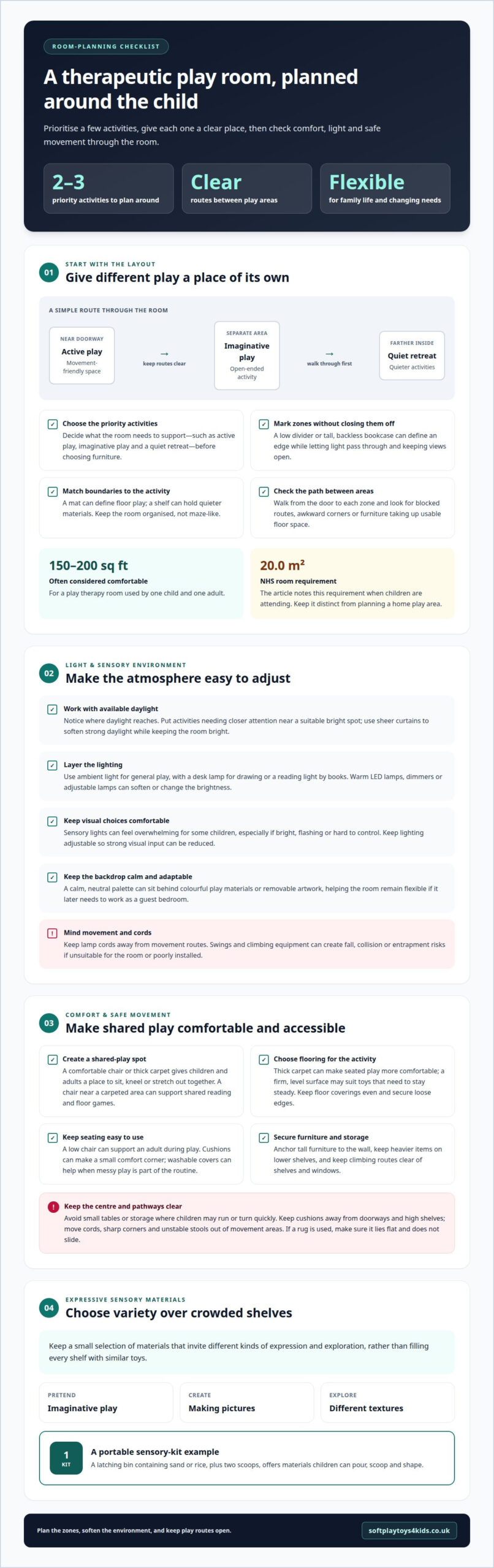
Repurposing a spare bedroom into a therapeutic play zone works best when the layout reflects the child’s priority activities. Choose two or three functions, such as active play, imaginative play and a quiet retreat. This guides furniture choices and helps preserve usable floor space. For example, place movement-friendly play near the doorway and quieter activities farther inside.
Room size depends on who will use the space and how it will function. A play therapy room for one child and one adult is often considered comfortable at around 150-200 square feet. According to the NHS, a 20.0 m² play therapy room is required if children are attending. Keep the distinction clear when planning a home play area rather than a room used for therapy sessions.
A low divider can separate activities without making the bedroom feel closed off. A tall, backless bookcase is one option: open sections let light pass through while marking the edge of a play zone. Use it to distinguish floor play from a small table for drawing or puzzles, while leaving space beside it for an adult to join in.
A low-level partition can also divide an open-plan layout without blocking views across the room. When repurposing a spare bedroom into a therapeutic play zone, open dividers or low shelving can create a visual boundary between play and sleeping areas. Aim for a distinct feeling in each zone, not a maze of barriers, and keep routes between activities clear.
Before settling on an arrangement, note each zone’s main activity and furniture needs. A mat can define floor play, while a shelf can hold quieter materials. Walk from the door to each area and check for blocked routes or awkward corners. This final layout check helps the room feel organised while keeping its different purposes visible and accessible.
2. Lighting, colour and sensory environment
Start with the available light. Notice whether daylight reaches the play area, then place activities that need closer attention near the brightest suitable spot. Warm LED lamps can soften the room after dark, while dimmers or adjustable lamps let you change brightness without moving furniture. Sheer curtains can soften strong daylight while keeping the room bright.
A multipurpose bedroom benefits from more than one lighting option. Use ambient light for general play, then add a desk lamp for drawing or a reading light beside books. Adjustable lamps can help shift the room from an active daytime space to a calmer place for quiet play. Keep cords away from children’s movement routes.
Swings and climbing equipment can create fall, collision or entrapment risks if they don’t suit the room or are poorly installed. Sensory lights may feel uncomfortable or overwhelming for some children, especially when they are bright, flashing or difficult to control. Choose a home setup with clear space around movement equipment, and keep lighting adjustable so a child can take a break from strong visual input.
Use a calm, neutral palette as the backdrop, then add removable artwork or colourful play materials. This keeps the room flexible if it later needs to work as a guest bedroom. Repositionable lamps and wall art can change the mood without a full redesign. For example, a soft-toned wall can sit behind a colourful creative area.
Internal glazing can bring natural light into a divided space rather than leaving one corner in shadow. Check how the room feels at different times of day, and adjust curtains or lamp positions accordingly. In warmer months, opening internal windows can help air circulate. Start with simple sensory choices, then adapt the light and visual materials to the child’s comfort and interests.
Thoughtful sensory choices can support a flexible play environment. Explore sensory play ideas as you consider which materials and lighting suit the room.
3. Adding comfortable seating or thick carpet for playing with children
For a safer home playroom, anchor tall furniture to the wall and keep climbing routes clear of shelves and windows. Choose a soft, even floor covering and secure loose edges so children don’t catch their feet while moving between activities.
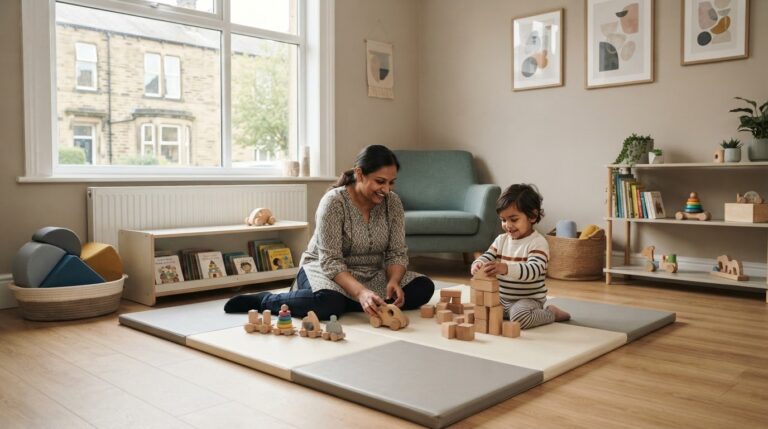
A comfortable chair or thick carpet gives adults and children a place to sit, kneel or stretch out together. For example, use a carpeted area for building blocks and floor games, with a chair nearby for shared reading. Keep the route between the door and play area open rather than filling the centre with furniture.
Consider how the floor feels during different activities. A thick carpet can make seated play more comfortable, while a firm, level surface may suit toys that need to stay steady. If you are upgrading the room, Frankly Flooring offers a range of suitable solutions to help create a soft, durable base. If you use a rug, make sure it lies flat and doesn’t slide. Avoid placing small tables or storage where children may run or turn quickly.
Make seating easy to use and move. A low chair can support an adult during play, while two cushions can create a small comfort corner for a child. Keep cushions away from doorways and high shelves, where they could become obstacles or encourage climbing. Choose washable covers if messy play is part of the room’s routine.
Check furniture placement at child height. Secure bookcases, wardrobes and other tall pieces to the wall, and store heavier items on lower shelves. Keep cords, sharp corners and unstable stools out of movement areas. If a fixed post or column sits beside the play space, column padding can soften its exposed surface. Finish by walking through the room at a child’s pace, checking each route from the doorway to the carpet, chair and storage.
4. Selecting expressive and sensory play materials
Choose materials that invite different kinds of expression instead of filling every shelf with similar toys. When repurposing a spare bedroom into a therapeutic play zone, keep a small selection for pretend play, making pictures and exploring textures. For example, a portable sensory kit could include a latching bin of sand or rice and two scoops. Children can pour, scoop and shape, then close the bin for storage.
For UK toy safety, check age guidance, warnings and instructions, along with any conformity marking shown on the product. Use toys as directed, and choose home play equipment suited to the child and available space. For larger items, follow installation instructions and check regularly for loose parts or visible wear.
The cost of converting a spare bedroom depends on what the room already has and what needs changing. Flooring, lighting, storage, seating and play materials all affect the overall spend. Keeping existing furniture and adding a focused selection of sensory materials will cost differently from replacing flooring or furnishing the room from scratch.
When repurposing a spare bedroom into a therapeutic play zone, choose washable, durable materials by checking their cleaning instructions and care labels. Removable covers can be washed, while sturdy containers with secure lids help store materials such as rice after play. For products described as non-toxic, read the packaging rather than relying on appearance alone.
Keep the collection manageable by making a small set of toys available and storing the rest together. A monthly toy rotation can swap 10-15% of visible items, renewing interest without changing the whole setup. Labelled containers make it easier to return materials to their place, and a quick check after play can catch spills or damaged items.
To bring tactile, imaginative activities into the room, explore sensory toys for play and choose materials that suit your planned activities.
SoftplayToys4kids
SoftplayToys4kids can help you add suitable play materials to a bedroom layout you’ve planned around your child’s needs. Its sensory toys can bring tactile and imaginative activities into the room, complementing the zones, lighting and comfortable floor space described above.
Consider these products when choosing materials for hands-on exploration or making a play area more engaging. Keep the room’s available space and intended activities in mind, so each addition has a clear place and purpose. A focused selection can help keep the room organised without overwhelming its other uses.
If you’re ready to explore sensory toys for your play space, contact SoftplayToys4kids.
Shape a play space that can evolve
A child’s interests and play habits can change, so let the room evolve with them. As you continue repurposing a spare bedroom into a therapeutic play zone, think beyond the initial setup: choose a few versatile pieces, leave room to rearrange, and notice which activities draw your child in. Small adjustments can keep the space useful without starting the design again.
SoftplayToys4kids offers Soft Play Ball Pits, Soft Play Mats and Sensory Toys to help bring play into the room. Choose pieces that fit the space and the activities you want to encourage, then build from there at a pace that suits your family.
Ready to take the next step? Contact SoftplayToys4kids for playroom ideas and start shaping a welcoming space for play.
Frequently Asked Questions
How do you plan a therapeutic playroom in a spare bedroom?
First decide how the room needs to work alongside its existing use, such as occasional guest accommodation. Sketch the doorway, windows, storage and furniture, then mark where play materials can be reached without blocking access. For example, keep guest bedding in one closed cupboard and use a separate, clearly labelled container for play items. Review the arrangement after your child has used the room.
Which sensory play equipment and toys are suitable for a home therapy room?
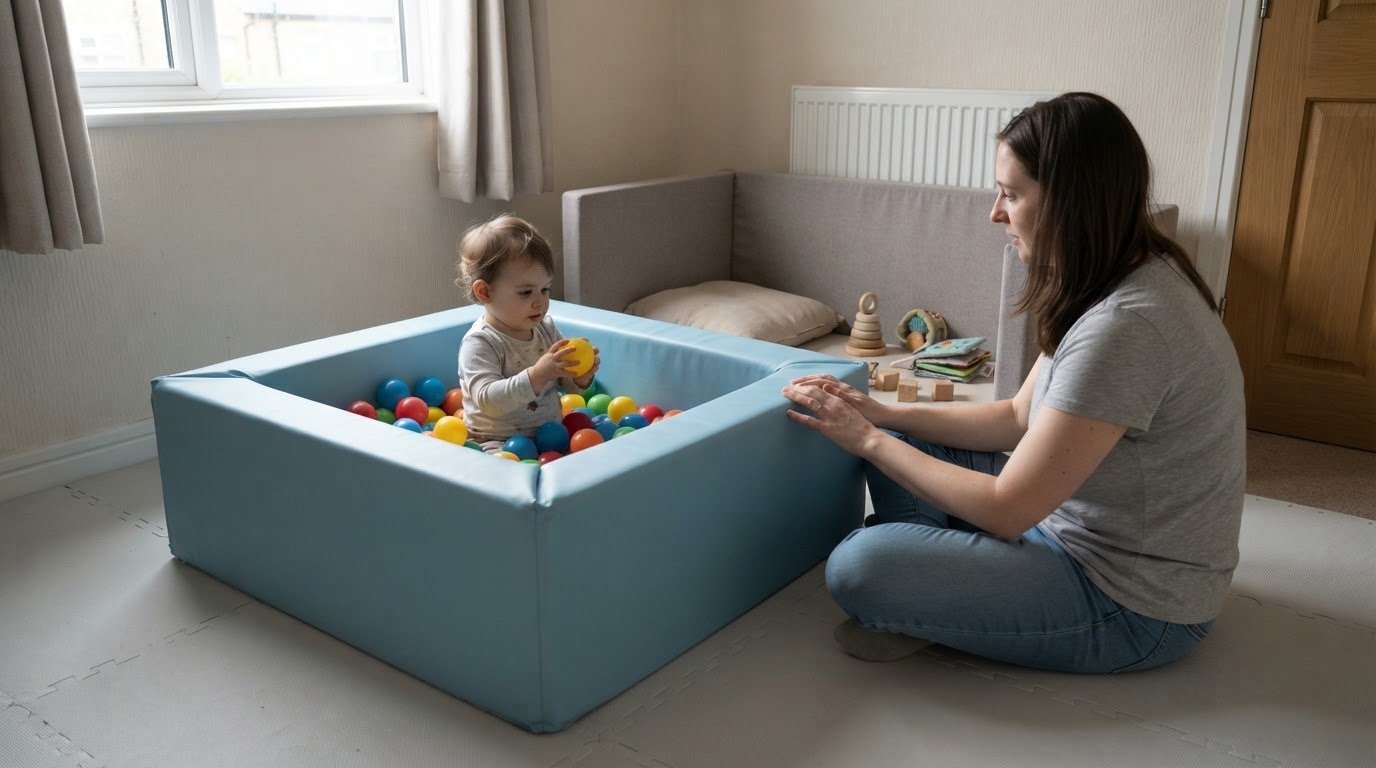
Choose materials around activities your child enjoys, such as movement, pretend play or exploring textures. A soft play mat can define a floor activity, while sensory toys offer varied options for hands-on play. A ball pit may suit a room with enough clear space around it. Start with a small selection, observe what your child chooses, and adapt the materials to their interests.
What lighting, colours and acoustics support a calming sensory room?
Use adjustable lighting so the room can feel brighter for a focused activity and softer for quiet time. A calm base colour lets you change the visual details with removable artwork or play materials. To reduce distracting sounds, try soft furnishings such as curtains and rugs, and switch off background audio during quiet play. Notice which sounds and lighting levels your child finds comfortable.
How do you create zones for active play, quiet play and emotional regulation?
Give each activity a visible place, using furniture or storage as gentle boundaries rather than blocking the room. Keep active materials together, set aside a quieter spot with a cushion or books, and make calm-down items easy to reach. A simple picture label on each storage box can help children recognise where materials belong and make transitions between activities easier.
How can you adapt a playroom for children with autism, ADHD or sensory processing needs?
Adapt the room to the individual child, since preferences can differ even among children with the same diagnosis. Notice whether the child seeks or avoids particular sounds, textures, movement or visual patterns, then adjust one feature at a time. For example, reduce visual clutter if busy shelves are distracting, or keep a preferred tactile item accessible. Follow the child’s cues and make changes gradually.
What UK safety standards apply to children’s toys and home play equipment
Check toys’ age guidance, warnings, instructions and any conformity marking. Choose home play equipment suited to the child and available space, follow installation instructions, and check regularly for loose parts or visible wear.