
Foam Mats Versus Rubber Tiles
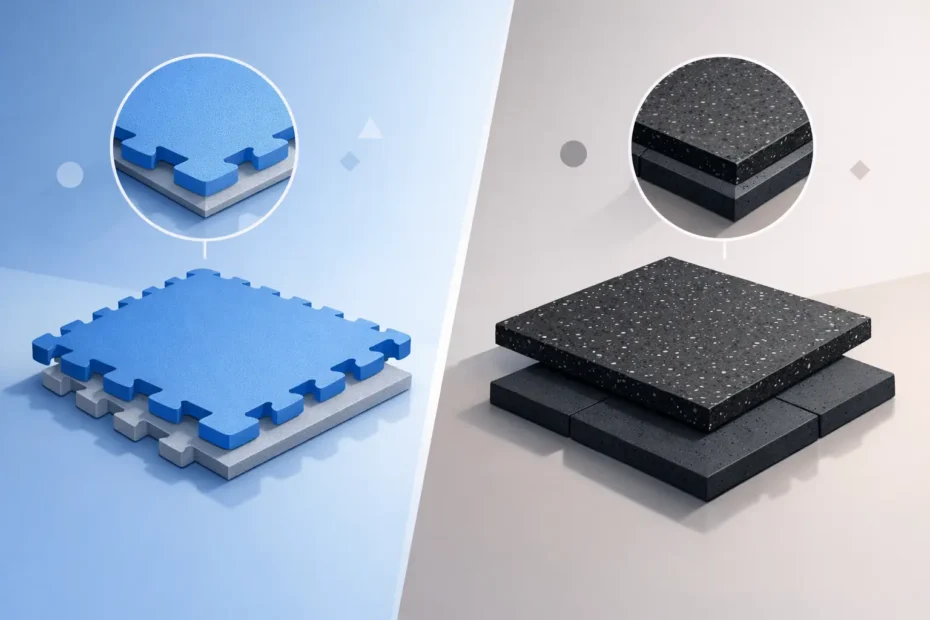
If you are weighing up foam mats versus rubber tiles, the right answer usually comes down to who is using the space, how often it will be used, and what kind of impact protection you actually need. A toddler corner at home has very different flooring demands from a nursery entrance, a school activity area or a busy commercial soft play site. Buy the wrong base and you feel it quickly – in comfort, cleaning time, wear and tear, and replacement costs.
For parents and commercial buyers alike, this is not just a materials question. It is a safety, maintenance and value-for-money decision. That is why it pays to compare both options properly before ordering, especially if you want flooring that looks smart, performs well and keeps children comfortable during active play.
Foam mats versus rubber tiles – what is the real difference?
At first glance, both products seem to do a similar job. They cover hard floors, add cushioning and create a safer play surface. In practice, they behave very differently.
Foam mats are softer underfoot, lighter to lift and generally better suited to babies, toddlers and indoor soft play use. They are popular in homes, nurseries and early years settings because they create a warm, padded surface for crawling, rolling, sitting and general floor play. They are also easier to move, reconfigure and store if you need a flexible setup.
Rubber tiles are denser, heavier and built for more demanding use. They are often chosen for gyms, entrance areas, high-traffic play zones and locations where durability matters more than softness. They can handle heavier loads and repeated footfall better, but they do not usually offer the same soft, comfortable feel that younger children need during play sessions on the floor.
That distinction matters. If children are mainly standing, walking or using wheeled items, rubber can make sense. If they are crawling, tumbling and spending long periods seated on the surface, foam usually has the edge.
Which is safer for babies and young children?
For early years play, foam mats are often the stronger option because they are designed with comfort and low-level impact protection in mind. Babies learning to sit, crawl or take first steps need a forgiving landing surface. Toddlers climbing over soft play shapes, balance beams or activity sets also benefit from a floor that cushions minor tumbles without feeling harsh.
Rubber tiles can still provide shock absorption, but they tend to feel firmer. That may be acceptable in some older children’s activity spaces, yet it is not always the most child-friendly choice for baby and toddler play areas. A surface can be durable without being ideal for developmental play.
There is also the question of surface feel. Foam is warmer and more inviting for little hands and knees. In a domestic playroom or nursery corner, that comfort counts for a lot. Children are more likely to stay engaged in floor-based play when the space feels pleasant to use.
That said, safety is not only about softness. It is also about fit, finish and quality. Poorly made mats of any type can shift, separate or wear too quickly. Buyers should look for products made with child use in mind, with dependable construction and a surface that can cope with repeated daily use.
Comfort and play value
This is where foam tends to win clearly. If your aim is to create a welcoming indoor play area, foam mats are usually more suitable than rubber tiles. They support imaginative play, tummy time, reading corners and soft play layouts far better than a firmer rubber base.
For parents, that often means a living room, bedroom or spare room can be turned into a practical play zone without feeling cold or overly industrial. For nurseries and playgroups, it means children can move from active play to seated activities without needing a completely different flooring system.
Rubber tiles are more functional than comforting. They do the job where resilience is the priority, but they rarely create the same soft play atmosphere. If you are designing a child-focused environment rather than a utility area, appearance and feel matter just as much as impact resistance.
Durability and daily wear
Rubber tiles usually lead on heavy-duty durability. They are tougher under constant traffic, cope better with weight and can be a practical option for multi-use areas that see pushchairs, storage units or frequent adult footfall.
Foam mats are durable too, but they should be matched to the right setting. In home playrooms, baby areas, preschool zones and dedicated soft play spaces, good-quality foam performs very well. In a hard-wearing commercial entrance or a heavily trafficked corridor, rubber may outlast it.
This is where many buyers make the wrong comparison. They assume tougher always means better. It does not. If the flooring is being chosen for child play rather than pure traffic management, over-specifying can leave you with a surface that is longer-lasting but less suitable in day-to-day use.
The better question is not which material is strongest overall. It is which material is strongest for your actual environment.
Cleaning and maintenance
For busy parents and institutions, easy cleaning is a major factor. Foam mats are generally straightforward to wipe down, lift and inspect underneath. That is useful in home settings where spills, crumbs and the occasional accident are part of the routine. In nurseries and playgroups, removable sections also make spot cleaning easier.
Rubber tiles are also relatively low maintenance, especially in fixed installations, but their weight can make them less convenient if you need to move them regularly. They can be an efficient fit for more permanent layouts, though not always the quickest option for spaces that are rearranged often.
The finish matters here too. A well-made play mat with a practical wipe-clean surface saves time and helps keep standards high. Whether you are a parent managing a play corner or a commercial buyer responsible for a larger site, flooring should work with your routine, not slow it down.
Cost and long-term value
Price always matters, especially if you are fitting out a larger area. Foam mats are often the more budget-friendly route for domestic buyers and early years providers who need reliable, comfortable flooring without stretching the budget. They also offer strong value because they are so well aligned with how young children actually play.
Rubber tiles can be worth the spend in tougher environments, but they are not automatically better value just because they cost more or feel heavier. If you install rubber in a baby or toddler area where foam would have delivered better comfort and suitable protection at a lower cost, that is not smart buying. It is overspending.
Commercial buyers should think in terms of lifecycle cost. If the area is child-led and floor-based, quality foam may offer the better return. If the area is mixed-use, weight-bearing or exceptionally busy, rubber may justify the extra outlay. It depends on traffic, age range and how the space is used throughout the day.
Best choice for home playrooms, nurseries and soft play spaces
For most home setups, nursery rooms and early years environments, foam mats are the stronger all-round option. They offer the right blend of comfort, cushioning, practicality and affordability. They also fit naturally with soft play equipment, educational activity areas and indoor play zones built for babies and toddlers.
Rubber tiles are more appropriate where the demands are tougher than the play itself. If the floor needs to withstand constant heavy traffic, equipment movement or more general-purpose use, they may be the better match. But for child-centred play, especially among younger age groups, foam is usually the flooring that feels right and performs right.
That is why many buyers choose foam first for domestic and developmental spaces, then use rubber more selectively where extra toughness is needed. It is not a one-size-fits-all decision.
Making the right buying decision
The smartest purchase starts with an honest look at the space. Think about the children’s ages, the level of activity, the amount of daily footfall and whether comfort or toughness matters more. If the goal is safe, soft, engaging play, foam mats are hard to beat. If the goal is maximum resilience in a harder-working area, rubber tiles may earn their place.
At Softplay Toys4Kids, we know buyers want more than just flooring. They want child-safe products, dependable quality, sensible pricing and options that suit real homes and real commercial environments. Compare materials carefully, buy for the way the area will actually be used, and you will end up with a safer, better-value play space that works from day one.
The best flooring choice is the one that keeps children comfortable, gives adults confidence and still makes sense months after installation.
Leave a Reply