
How to Plan a Bespoke Play Area That Works
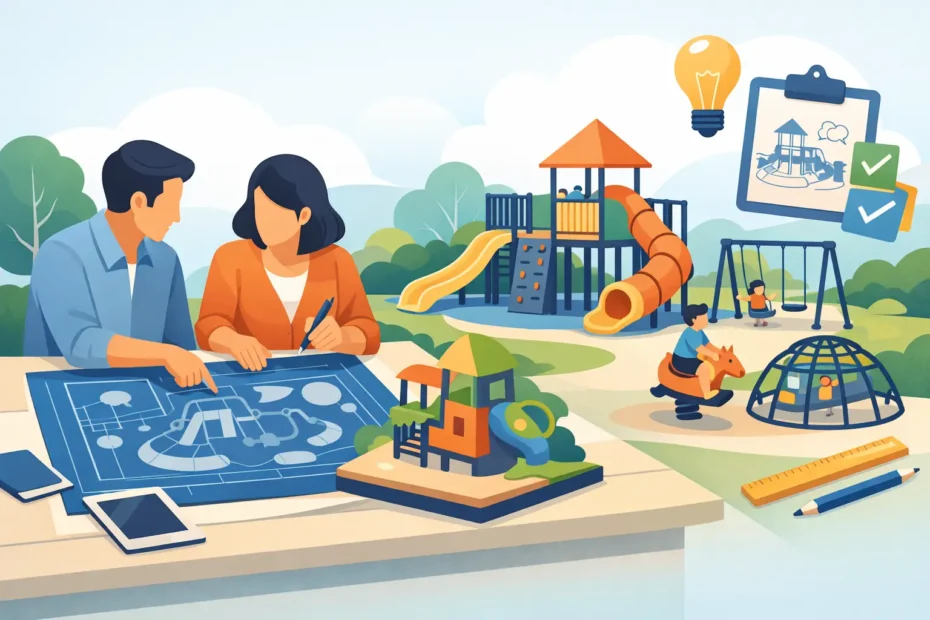
A brilliant play area is not created by filling a room with the biggest soft play pieces available. It starts with understanding how children will move, climb, crawl, rest and play in the space. If you are wondering how to plan bespoke play area equipment for your home, nursery or commercial venue, begin with the room itself and build a layout around real children, not just a shopping list.
A bespoke setup gives you far more control than an off-the-shelf bundle. You can work around awkward corners, low ceilings, radiators, doors, columns and limited floor space, while choosing colours and equipment that suit the age group using it. Done properly, it creates safer active play, better value from every square metre and a space children genuinely want to use.
Start With the Space, Not the Products
Before choosing a ball pit, slide, climbing blocks or activity set, measure the usable area carefully. Include wall-to-wall dimensions, ceiling height, door swings, windows, heating units and any areas that must remain clear for access or fire exits. For commercial premises, do not overlook reception routes, staff sightlines and cleaning access.
It helps to sketch the room on paper, even if it is only a simple scaled plan. Mark fixed obstacles first, then identify the main play zone. A small domestic playroom may need one adaptable arrangement that can be moved aside at bedtime. A nursery room may need defined zones for babies, toddlers and quieter activities. A busy soft play centre needs clear circulation so children can move without constant bottlenecks.
Leave breathing room around equipment. A tightly packed play area can look impressive in photographs but become frustrating and less safe when children are actually using it. Space around climbing, stepping and sliding equipment matters just as much as the equipment itself.
Decide Who the Play Area Is For
Age is the biggest factor in a bespoke design. Babies need supportive, low-level shapes, soft mats and sensory activity that encourage rolling, crawling and early confidence. Toddlers tend to want steps, tunnels, ramps, small slides, balance beams and ball pits. Older children often need more challenge, with routes that encourage climbing, balancing, building and imaginative games.
Mixed-age environments need careful planning. A tall climbing unit that suits confident four-year-olds may not be appropriate as the centrepiece of a baby room. In nurseries and commercial venues, separating calmer baby play from faster toddler activity is often the sensible option. At home, this may mean choosing modular foam shapes that can be rearranged as your child grows.
Think about capacity too. A play corner for one or two siblings needs a different approach from a preschool room with ten children moving at once. More users do not always mean more products. It can mean wider routes, stronger zoning and fewer pieces positioned with purpose.
How to Plan a Bespoke Play Area Around Play Value
The best bespoke play areas give children more than one way to use them. A set of soft steps can become a climbing challenge, a stage, a shop counter or part of an obstacle course. A ball pit can support sensory play, colour recognition and energetic movement. Loose foam shapes invite children to build, stack and create their own games.
Aim for a balance between active and quieter play. A compact home setup might combine a safety mat, two or three climb-and-slide elements and a small ball pit. A nursery may benefit from a more structured layout with an active zone, a floor-based construction area and a cosy corner away from the busiest movement.
For a commercial setting, consider the full customer experience. Parents need to see their children easily. Staff need room to supervise, clean and reset the area. Children need clear cues about where to climb, where to crawl and where to slow down. Bright colours can create excitement, but too many competing colours and shapes can make a room feel cluttered. A coordinated colour scheme often looks more professional and photographs better for your business as well.
Put Safety Into Every Decision
Soft play equipment is designed to cushion bumps and encourage confident movement, but safe planning still matters. Choose the right height and level of challenge for the children using the area. Keep landing areas clear and use suitable safety mats where active play takes place. Equipment should sit securely, without sliding or creating gaps that small hands and feet could find.
For nurseries, schools and venues, hygiene is part of safety too. Select wipe-clean materials that can cope with daily use and practical cleaning routines. Ball pits need a sensible cleaning plan, especially in high-footfall environments. If equipment is used by lots of children, durable covers, quality stitching and hard-wearing foam are not extras. They protect your investment and help keep the play area looking presentable.
Commercial buyers should also consider the wider environment. Padding around posts, wall features and hard edges can make a major difference in an active room. Entry and exit routes must remain clear, while staff should be able to supervise every key section without blind spots.
Set a Budget That Delivers More Than a Quick Fix
A bespoke play area does not have to mean an unlimited budget. In fact, planning properly usually prevents expensive mistakes. Start with the essential pieces that create the main activity, then add modular items over time if required. A well-chosen core setup will often outperform a large collection of random pieces that do not work together.
It is worth spending on the dimensions, materials and durability that suit your use. A parent creating a weekend play space may prioritise compact, flexible equipment. A nursery or playgroup needs equipment that stands up to repeated daily use. Commercial venues should take a longer view, considering cleaning, replacement needs, customer appeal and the cost of downtime.
Be clear about what is included when comparing quotes or products. Custom sizing, colour choices, delivery, installation and safety padding can all affect the final figure. The cheapest option at the start is not always the best value if it does not fit the room, wears quickly or fails to create the play experience you need.
Choose Colours and Themes With Purpose
Colour is not just decoration. It can help create zones, support a nursery’s branding or make a domestic room feel cheerful without taking over the whole house. Neutral tones and softer colour combinations are popular for modern homes, while bold primary colours can work well in lively settings where visual stimulation is part of the brief.
For commercial spaces, bespoke colours can reinforce your brand and create a more memorable venue. For nurseries and schools, colour coding can help separate age groups or activity areas. The key is to avoid choosing a theme that is so specific it becomes difficult to refresh later. A strong base palette with a few brighter feature pieces gives you greater flexibility.
Plan for Growth, Cleaning and Everyday Reality
Children grow quickly, and their confidence changes even faster. Modular soft play is a smart choice where a setup needs to adapt. A low slide can later sit alongside stepping blocks and balance equipment. Individual foam shapes can be moved into new layouts when children need a fresh challenge.
Also consider storage. This is particularly relevant for homes, shared halls and playgroups where equipment may need to be packed away. Ask where ball pit balls, loose shapes and mats will go between sessions. A beautiful layout that cannot be cleaned or stored efficiently soon becomes a headache.
For larger installations, speak to a supplier that understands custom sizes, commercial durability and real-world layout requirements. Softplay Toys4Kids manufactures bespoke soft play equipment in the UK, making it possible to specify dimensions and colours that work for your room rather than forcing your room to fit a standard product.
Make the First Layout Flexible
Once your bespoke area is in place, watch how children use it. You may find that a favourite climbing route creates a queue, a quiet corner is too close to the busiest activity or a ball pit needs moving to improve supervision. These are not planning failures. They are useful lessons that help you refine the layout.
The strongest play spaces are safe, inviting and practical, but they also leave room for children’s imagination to take over. Plan the foundations well, choose equipment that earns its place, and let the space evolve with the children who bring it to life.
Leave a Reply