
Padded Play Mats Review for UK Homes and Nurseries
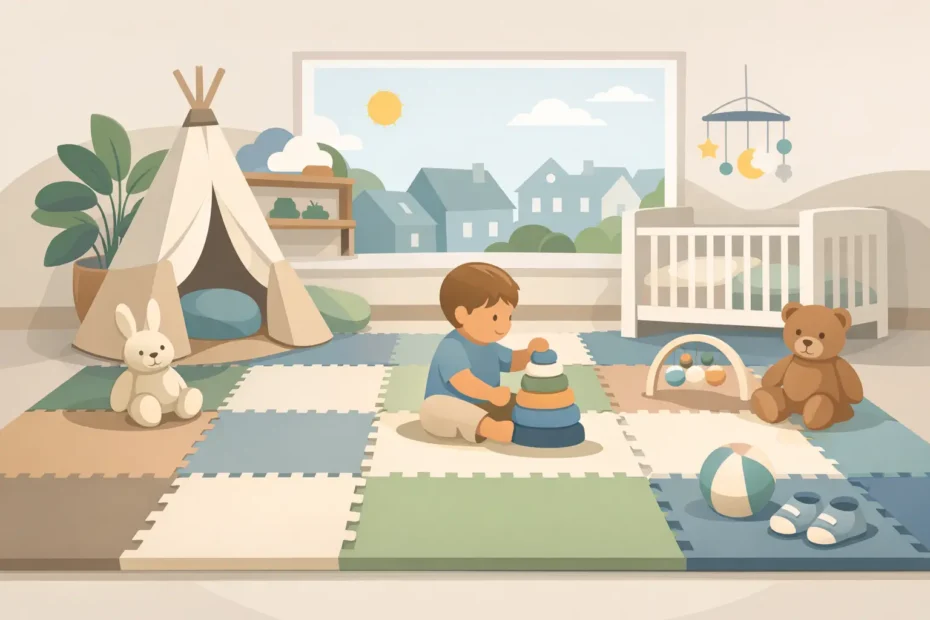
A hard floor changes the way little ones play. Whether it is a first roll, a wobbly crawl, a tower-building session or energetic toddler play, the right surface gives children more confidence and gives adults far less to worry about. This padded play mats review looks beyond colourful prints and low prices to focus on what really makes a mat worth buying for a UK home, nursery or playgroup.
The best option is not always the thickest, biggest or cheapest. It is the one that suits the child, the room and the amount of daily use it will receive. A mat in a quiet nursery used for tummy time has very different demands from flooring beneath a busy ball pit or a commercial soft play area.
Padded play mats review: what matters most
A padded mat should create a comfortable, forgiving base while remaining stable under little feet. It needs to soften everyday bumps, insulate children from cold laminate, tile or wooden floors, and provide enough grip for crawling and early walking. For nurseries and play settings, it must also stand up to repeated cleaning, moving equipment and lots of energetic use.
Thickness is usually the first feature buyers compare, and rightly so. A very thin foam mat may feel pleasant for sitting, but it offers limited cushioning when a child falls backwards or lands on their knees. Thicker foam gives greater protection and feels more substantial beneath soft play shapes, climbing equipment and ball pits. That said, a thicker mat is not automatically better if it is too soft, unstable or difficult to keep flat at the edges.
Density matters alongside thickness. Good-quality foam should recover after pressure rather than staying compressed where children sit, kneel or place equipment. A lower-priced mat can look similar on day one, then flatten or curl after regular use. For a home, that may be frustrating. For a nursery, preschool or commercial venue, it quickly becomes a false economy.
The outer cover is equally important. A wipe-clean, hard-wearing surface makes everyday life simpler when there are snack spills, paint marks, muddy socks or nappy-time accidents. Look for a finish that can be cleaned regularly without cracking, peeling or becoming sticky. In a shared setting, this is not a small detail – it affects hygiene standards, appearance and how long the investment lasts.
Home play mats versus commercial use
Parents often want a play mat that can be laid down in the lounge and packed away when visitors arrive. In that case, weight, folding options and storage space are genuine deciding factors. A lighter mat may be easier to handle, but it should still lie securely on the floor and not slide around during play.
For permanent or semi-permanent home soft play, a larger padded floor area can be far more useful than several small pieces. It creates a clear play zone for babies and toddlers, protects flooring and gives enough room for foam blocks, crawl tunnels or a small ball pit. It also helps contain the mess of play to one practical area of the room.
Commercial buyers have a different checklist. Nurseries, schools, childminders and soft play operators should prioritise durability, coverage and the ability to order dimensions that suit the room. Standard sizes can leave awkward gaps around walls, pillars and fixed furniture. Those gaps are not just untidy – they can create hard landing areas exactly where children are playing.
Bespoke mats are often the smarter answer for larger spaces. Made-to-measure safety pads can be designed around a room layout, while colour choices can match existing soft play equipment or create separate zones for babies, toddlers and active climbers. Softplay Toys4Kids manufactures in the UK and can help buyers who need practical sizing rather than a one-size-fits-all solution.
Safety is more than a soft surface
A padded mat should support safe play, but it cannot replace active supervision or sensible room planning. Ensure the mat is placed on a clean, dry, level floor. Check that corners sit flat and that joins do not lift, particularly where children are learning to walk. Keep climbing equipment, steps and slides positioned according to the space available, with suitable clearance around them.
For babies, choose a surface that is comfortable for tummy time but firm enough to support movement. Babies need a stable base to push through their arms, roll and practise crawling. An overly squashy surface can make those early movements harder, even if it feels luxurious to an adult hand.
For toddlers, traction is a major consideration. As children start running, jumping and carrying toys, a slippery cover or shifting mat can cause more problems than a firm, stable padded surface. Check the underside and how it behaves on your particular floor type. A mat that stays put on carpet may move on polished wood or tiles.
In group environments, inspect mats routinely. Look for splitting seams, damaged covers, exposed foam, lifting edges and deep compression. Remove any worn equipment from use until it can be repaired or replaced. A good supplier will be clear about materials, intended use and care, rather than making vague claims that are difficult to verify.
Cleaning, storage and everyday practicality
The most loved play mat in the house is usually the one that gets messy. That is normal. The real test is whether you can clean it quickly and get on with the day. Wipe spills promptly with a mild cleaning solution appropriate for the cover, then allow the surface to dry fully before children return to play.
Avoid harsh chemicals unless the manufacturer confirms they are suitable. Strong products can damage covers over time, dull colours and leave residues where babies crawl or put toys in their mouths. For nurseries and commercial facilities, use a documented cleaning routine that matches your wider hygiene procedures.
Storage deserves more thought than it gets. Folding mats are convenient, although their fold lines should be well made and easy to wipe. Roll-up or heavy-duty safety pads may offer excellent protection but take more space to store. If the mat will stay down all day, choose for performance first. If it must disappear behind the sofa every evening, handling and folded size become more important.
Is a cheap padded mat good value?
Price matters, especially when furnishing a nursery, setting up a playroom or equipping several rooms at once. But the lowest initial price is rarely the best measure of value. Compare thickness, foam quality, cover strength, dimensions and expected lifespan before deciding.
A bargain mat that needs replacing after a few months costs more than a properly made product that continues to look smart after daily use. This is especially true where mats sit under soft play equipment, where the same areas receive repeated pressure. Commercial buyers should also consider downtime, replacement costs and whether standard stock will still match later if they need to expand the area.
It is worth comparing like for like. Check the actual usable dimensions, not just a headline size. Ask whether measurements include raised edges or whether the full area is padded. Consider delivery, custom options and the supplier’s ability to support you after purchase. A price-beater promise is useful only when the product quality and service are genuinely comparable.
Choosing the right size and layout
Measure the available floor space before buying, then think about how children will actually move through it. Leave room for adults to sit alongside babies, for children to climb down safely from equipment and for doors or cupboards to open. In a nursery room, a smaller mat may be ideal for a calm baby area. In a playroom, a larger rectangle can create a more flexible base for changing activities.
For commercial settings, map out furniture, radiators, door swings and emergency access before requesting a quote. A tailored layout can make a modest room feel more professional and more usable. It also prevents the common mistake of buying several off-the-shelf mats that never quite meet in the middle.
Colour is not only decorative. Brighter colours can make a dedicated play zone feel exciting and inviting, while neutral shades may suit a lounge or modern nursery. Multi-colour mats can support sorting games and imaginative play, but busy patterns may not suit every interior. Choose a look you will still be happy to see every day.
A well-chosen padded play mat gives children a dependable place to move, explore and build confidence. Start with the floor you have, the play you want to encourage and the level of use it must withstand, then buy the mat that will keep working long after the first few exciting play sessions.
Leave a Reply