
Outdoor Soft Play Guide 2026: UK Parents & Schools
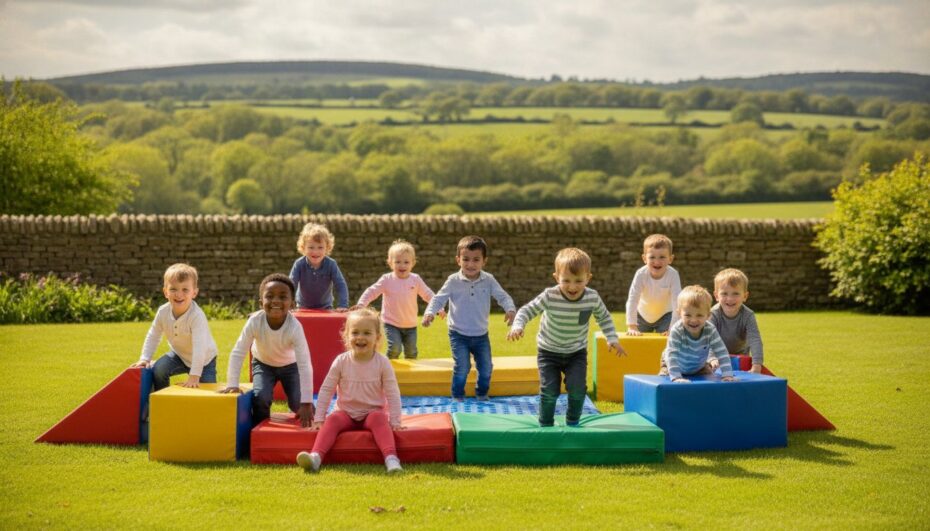
What if you could transform your garden or school playground into a high-energy outdoor soft play area without worrying about the next British downpour ruining the fun? We know you want the best for your children, but the fear of weather damage, UV fading, and those unforgiving hard surfaces often keeps the best equipment locked inside. It’s frustrating to invest in play gear only to see it succumb to dampness or become a nightmare to scrub clean after a single afternoon outside.
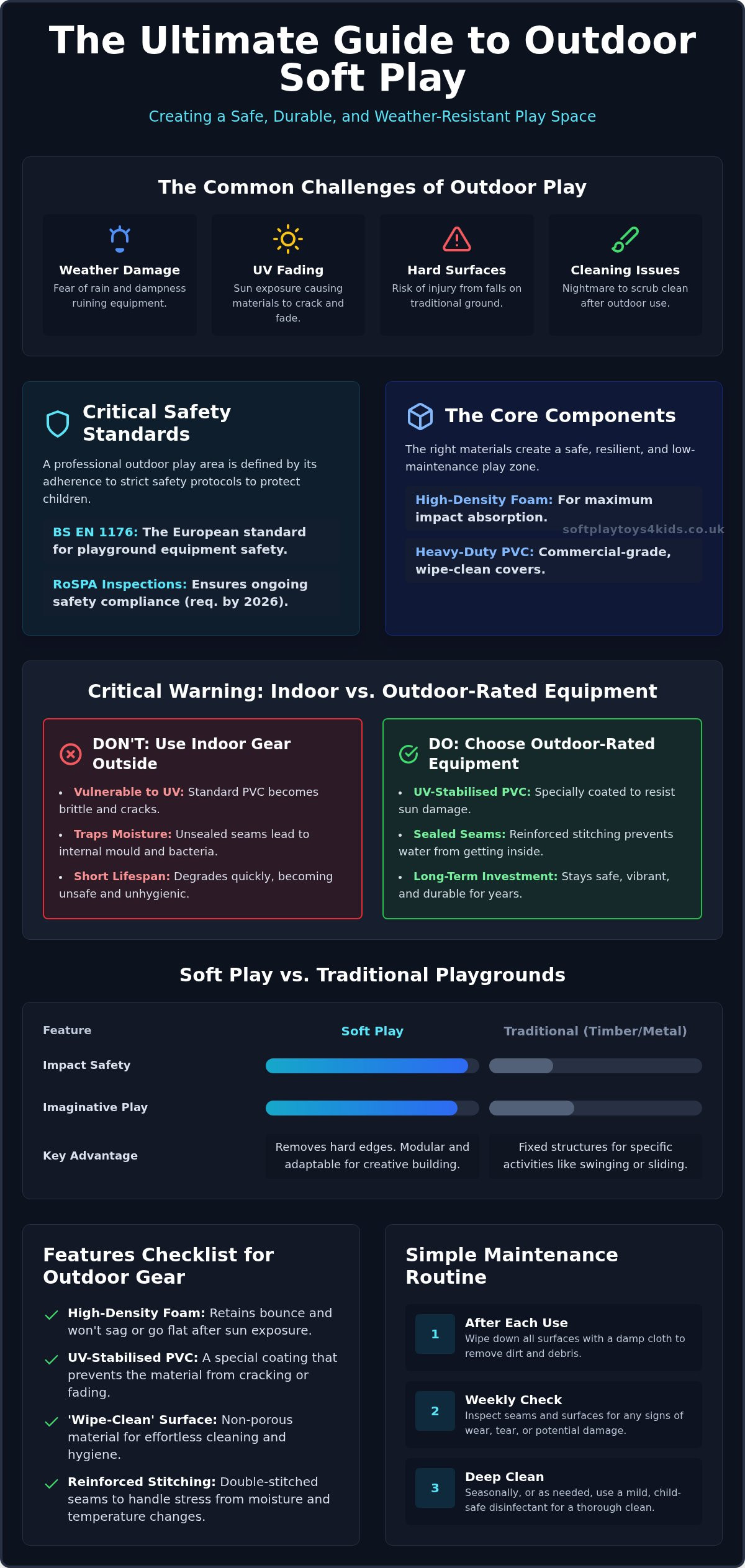
You deserve a space that’s as tough as it is exciting, and we’re here to help you achieve it. This guide will show you exactly how to design, install, and maintain a professional-grade outdoor play space that meets strict BS EN 1176 safety standards while remaining incredibly easy to wipe down. We’ll walk you through everything from selecting commercial-grade PVC to understanding the 2026 RoSPA inspection requirements, giving you total peace of mind that your little ones are playing on the very best British-made equipment.
Key Takeaways
- Understand the essential BS EN safety standards and ground preparation steps needed to protect children from injuries on hard surfaces.
- Identify the specific weather-resistant features to look for when selecting ball pits and mats for your outdoor soft play area.
- Get a practical maintenance checklist to keep your equipment fresh, clean, and safe for daily use throughout the year.
- Learn why buying direct from a West Yorkshire factory provides superior durability and better value than mass-produced alternatives.
What Defines a Safe Outdoor Soft Play Area?
An outdoor soft play area is more than just a few mats on the lawn. It’s a professionally designed environment that uses high-density foam cores and heavy-duty PVC covers to create a dedicated zone for physical activity. These spaces are vital for early childhood development. They encourage children to explore their physical limits in the fresh air while providing a significantly safer alternative to traditional hard-climbing frames. Whether you’re a parent looking to upgrade the garden or a school enhancing a playground, understanding these material differences is the first step toward a durable setup.
The British weather is famously unpredictable, which makes material choice the most critical factor for any UK installation. A temporary garden setup might work for a few hours on a dry day, but a permanent commercial installation requires specific engineering to survive rain and sun. At our West Yorkshire factory, we focus on commercial-grade durability. We use materials that resist moisture and withstand the constant friction of active play. This level of craftsmanship ensures your investment doesn’t just look good on day one; it stays safe and vibrant for years to come.
Soft Play vs. Traditional Outdoor Playgrounds
Comparing foam to timber or metal is all about impact safety. While modern playgrounds often have rubberised flooring, the equipment itself remains rigid and unforgiving. Soft play removes those hard edges entirely. The modular nature of foam blocks also allows for a level of imaginative play that static equipment can’t offer. Children can build, stack, and move their environment, which is why nurseries and early years providers often prefer soft play. It’s built to adapt to the child’s needs rather than forcing the child to adapt to a fixed, unmoving structure.
Is Indoor Soft Play Safe to Use Outside?
Moving indoor gear outside might seem like a quick win, but it often leads to hidden problems. Standard indoor PVC covers aren’t always designed to handle constant UV exposure. Without proper treatment, the sun can cause the covers to become brittle and crack over time. Moisture is another major concern. If seams aren’t properly sealed for the outdoors, rainwater can trap itself inside the foam. This creates a breeding ground for bacteria and mould that’s almost impossible to clean. If you want a lasting outdoor soft play area, you must verify that the equipment is designed to handle the elements or ensure it’s brought inside after every use.
Essential Equipment for Your Outdoor Play Space
Are you ready to turn your garden or school grounds into a hub of excitement? Building a successful outdoor soft play area starts with selecting the right gear. It’s not just about bright colours; it’s about commercial-grade durability. You need equipment that can handle the rough-and-tumble of active kids while resisting the wear and tear of the British climate. From reinforced ball pits to heavy-duty soft play mats, every piece plays a role in keeping children engaged and safe.
Beyond the basics, think about physical development. Modular climbing blocks and wedges are fantastic for building gross motor skills. They challenge children to balance, climb, and slide in a controlled environment. We also recommend incorporating sensory elements like textured pads or high-contrast foam shapes. These details keep younger children curious and help develop their fine motor skills through touch and visual stimulation. When you choose handmade items from a trusted manufacturer, you’re ensuring that these sensory features are built to last, not just glued on as an afterthought.
Choosing Weather-Resistant Materials
Success in the outdoors depends on what’s under the cover. We use high-density foam that retains its bounce even after hours of sun exposure. It won’t go flat or sag. You should always look for ‘wipe-clean’ and ‘UV-stabilised’ PVC. This special coating prevents the material from cracking or fading when the sun finally decides to shine. Another non-negotiable is reinforced stitching. Equipment exposed to the elements faces extra stress from temperature changes and moisture. Double-stitched seams ensure that your mats and pits stay together, meeting UK playground safety standards for years to come.
Popular Outdoor Soft Play Configurations
How should you lay out your space? For smaller gardens, the ‘Garden Corner’ is a winner. It uses a corner-shaped ball pit nestled against soft play mats to maximise play value in a compact footprint. If you have more room, the ‘Active Explorer’ layout is perfect. This involves a trail of stepping stones, balance boards, and wedges that encourage constant movement. For schools and nurseries, we often see large-scale indoor playground equipment adapted for sheltered outdoor use. These setups provide a massive range of activity while staying protected under a canopy. If you’re unsure which layout fits your space, you can always browse our handmade ball pits to find the perfect centerpiece for your new play zone.
Ground Preparation and Safety Standards
Before you set up your new play zone, you need to look at what’s beneath your feet. Is the ground actually ready? Creating a safe outdoor soft play area starts with a solid, level foundation. Whether you’re working with garden grass, wooden decking, or a concrete patio, each surface presents its own challenges. Grass might feel soft, but it’s often uneven, which leads to unstable modular blocks. Concrete is durable but offers zero impact protection. We always recommend assessing your site for drainage and levelness before any installation begins.
Why is this so critical? Proper outdoor soft play area setup is your first line of defence against playground injuries. High-quality soft play equipment is designed to absorb impact, but it can only do its job if it’s placed on a stable surface. You also need to understand Critical Fall Height (CFH). This is the maximum height from which a child might fall, and your flooring must be thick enough to attenuate that impact. By choosing the right padding for your specific fall heights, you’re not just buying mats; you’re buying peace of mind for every jump and tumble.
Flooring Options for Outdoor Play
What’s the best way to cover your ground? Professional-grade crash mats are essential for creating safe landing zones around climbing blocks. While interlocking foam tiles are a popular budget choice, they often lack the durability of thick, PVC-covered safety pads. These pads are easier to clean and won’t pull apart during heavy use. If you’re installing on smooth surfaces like decking, securing your mats is vital. Use heavy-duty velcro strips or non-slip underlays to prevent the mats from sliding when a child lands. A slipping mat is a tripping hazard you simply don’t want.
Safety Certifications to Look For
Safety isn’t just a buzzword; it’s a set of rigorous standards. In the UK, you should look for equipment that adheres to BS EN 1176 and BS EN 1177. These regulations cover everything from the structural integrity of the play pieces to the impact-absorbing properties of the flooring. Because our products are handmade in West Yorkshire, we maintain total control over the manufacturing process. This ensures every seam is tight and every material is non-toxic and phthalate-free. Choosing British-made gear means you’re getting equipment that meets local safety laws, keeping sensory play fun and worry-free.
Maintenance: Keeping Your Outdoor Area Clean and Fresh
How do you keep your outdoor soft play area looking as vibrant as the day it arrived? It’s a question every parent and school administrator asks. While our West Yorkshire-made equipment is built for toughness, the British elements can be relentless. From sticky pollen in the spring to mud in the autumn, your play space needs a consistent care routine to remain hygienic and safe. A simple daily inspection is your first line of defence. Spend five minutes checking for moisture trapped between mats and ensuring no sharp debris has blown into the play zone. It’s also the perfect time to inspect seam integrity. Spotting a loose thread early prevents water from reaching the internal foam, which is the key to long-term durability.
Dealing with nature’s little surprises, like bird droppings or tree sap, doesn’t have to be a chore. Because we use premium 610gsm PVC, most messes sit on the surface rather than soaking in. This is a massive advantage over standard fabric-based outdoor gear. You don’t need harsh chemicals that might irritate a child’s skin or damage the material. Instead, focus on child-safe sanitisation that kills bacteria without leaving toxic residues behind. This proactive approach ensures your equipment stays fresh and ready for action, no matter what the garden throws at it.
Cleaning Your Soft Play Gear
Don’t just give it a quick splash with a hose. Follow these four steps to keep your gear in top condition:
- Step 1: Use a soft brush to remove loose dirt, grass, and dry debris.
- Step 2: Wipe down every surface with a damp cloth and a mild, non-abrasive detergent.
- Step 3: Apply a child-safe disinfectant. This is especially important for outdoor soft play area ball pits where hands and faces are in constant contact with the surfaces.
- Step 4: Air dry everything completely. Never stack damp mats, as this can lead to mildew growth in the crevices.
Winter Protection and Longevity
When the temperature drops and the heavy rains arrive, your storage strategy matters. We always recommend moving foam-based equipment indoors or into a dry, secure shed during the winter months. Even the best PVC can struggle with prolonged freezing temperatures and constant saturation. For larger, fixed-in-place commercial sets, high-quality waterproof covers are a must. These covers protect the PVC from UV degradation and prevent water from pooling on the safety pads. By being proactive with your storage, you’ll extend the life of your equipment by years. Ready to invest in gear that’s actually easy to keep clean? Browse our handmade soft play collection and see the quality for yourself.
Why SoftplayToys4kids is the UK’s Leading Choice
Choosing the right partner for your outdoor soft play area project is about more than just finding the lowest price. It’s about investing in the safety and happiness of your children. While many retailers offer mass-produced, imported gear that struggles to survive a single British summer, we do things differently. Every single piece of equipment we sell is handmade right here in our West Yorkshire factory. We take immense pride in our Bradford roots, ensuring that every stitch and seam meets the rigorous standards our customers expect from a premium UK manufacturer.
We don’t believe in middleman markups. Because you’re buying direct from the people who actually cut the foam and sew the PVC, you get commercial-grade quality at manufacturer-direct prices. This direct connection also allows us to offer something the big-box retailers can’t: bespoke design. Whether you have an awkward corner in a primary school playground or a specific vision for your garden, our creative team can help you build a custom outdoor soft play area that fits your space perfectly. We use the highest-grade UK-sourced materials, including 610gsm PVC that is both phthalate-free and fire-retardant, giving you total peace of mind.
The Manufacturer Advantage
What happens if a cover gets damaged after years of heavy use? When you buy from an importer, you’re often forced to replace the entire unit. With us, you have the manufacturer advantage. We can provide replacement covers or additional matching pieces years after your initial purchase. Our Bradford-based team is always available for local support, ensuring you’re never left waiting for international shipping or dealing with automated call centres. We offer fast UK delivery because we know that when the sun comes out, the kids want to play immediately. It’s a level of service and craftsmanship that mass-market competitors simply cannot match.
Ready to Build Your Dream Play Area?
You don’t have to settle for “good enough” when it comes to your children’s play space. Join thousands of happy parents, nurseries, and schools across the UK who have already transformed their outdoor environments with our gear. Our range of outdoor-ready ball pits and mats is designed to withstand the elements while providing a vibrant, safe space for physical development. If you’re looking for something truly unique, contact our team today for a custom design quote. We’re ready to help you create a space that children will love for years to come. Explore our full handmade collection and discover why we remain the UK’s trusted choice for soft play.
Start Your Outdoor Adventure Today
Creating a vibrant outdoor soft play area is one of the most rewarding investments you can make for your children’s development. By focusing on weather-resistant materials and adhering to UK safety standards, you’re building a space that encourages fresh air and active movement without compromising on protection. We’ve covered the importance of UV-stabilised PVC and those essential winter maintenance routines that keep your gear in top condition for years to come.
Why wait to bring the fun home? Our equipment is handmade in West Yorkshire and trusted by UK schools and nurseries for its commercial-grade durability. Because we’re the manufacturer, you benefit from direct pricing and expert craftsmanship that mass-produced imports simply can’t match. It’s time to swap hard garden surfaces for a world of soft, imaginative play. Shop our Premium Soft Play Equipment for Your Garden and give your little ones the high-quality play space they deserve. They’ll love you for it!
Frequently Asked Questions
Can soft play equipment be left outside overnight?
You should generally avoid leaving soft play equipment outside overnight to protect the internal foam from moisture and temperature drops. Even with our high-quality 610gsm PVC covers, morning dew or unexpected rain can seep through seams if left for long periods. It’s much better to store your mats and pits in a dry shed or indoors to ensure they stay fresh and ready for the next day’s fun.
What is the best surface to put an outdoor soft play area on?
The best surface for an outdoor soft play area is a flat, level space such as a well-maintained lawn or wooden decking. Level ground is essential for the stability of modular blocks and climbing wedges. If you’re setting up on a harder surface like a patio, you must use our thick safety pads to provide the necessary impact protection for active toddlers.
How do I stop my outdoor play mats from fading in the sun?
The most effective way to stop fading is to invest in equipment made from UV-stabilised PVC. At our West Yorkshire factory, we use premium materials specifically designed to resist the sun’s rays. While no material is entirely immune to the elements, choosing UK-manufactured gear with UV protection ensures your vibrant colours stay bright for much longer than cheaper, mass-produced imports.
Are your ball pits suitable for use in a garden?
Yes, our ball pits are designed with reinforced bases specifically to handle the demands of garden use. We handmade every pit using heavy-duty PVC that’s easy to wipe clean after a day in the grass. Just make sure you place them on a level surface and check that no sharp stones or twigs are underneath before the kids start jumping in.
How do you clean soft play equipment after it’s been used outside?
You can easily clean your gear by wiping it down with a damp cloth and a mild, child-safe detergent. Start by brushing off any loose grass or dry mud, then give the PVC a thorough wipe. For ball pits, we recommend using a non-toxic disinfectant spray to keep the balls and internal surfaces hygienic. Always dry the equipment completely before stacking it for storage.
What safety standards should outdoor play equipment meet in the UK?
All UK play equipment should meet the BS EN 1176 and BS EN 1177 safety standards to ensure maximum protection. These regulations govern the structural integrity of the equipment and the impact-absorbing properties of the flooring. By choosing a local manufacturer, you’re guaranteed that your outdoor soft play area meets these rigorous British requirements, providing a safer environment than non-certified alternatives.
Do you offer custom designs for outdoor school play areas?
Yes, we offer a full bespoke design service for schools and nurseries looking to create unique play layouts. Our Bradford-based team can work with your specific dimensions to create custom mats, ball pits, and sensory shapes that fit your playground perfectly. Buying direct from our factory means you get these custom solutions without the heavy middleman markups found elsewhere.
Is soft play safer than a wooden climbing frame for toddlers?
Soft play is significantly safer for toddlers than wooden frames because it provides a cushioned landing and eliminates the risk of splinters. While timber frames are great for older children, toddlers need the forgiveness of high-density foam. Our equipment absorbs the impact of those inevitable tumbles, giving parents total peace of mind while their little ones develop their balance and coordination.
Leave a Reply