
Choosing Ball Pits for Babies and Toddlers
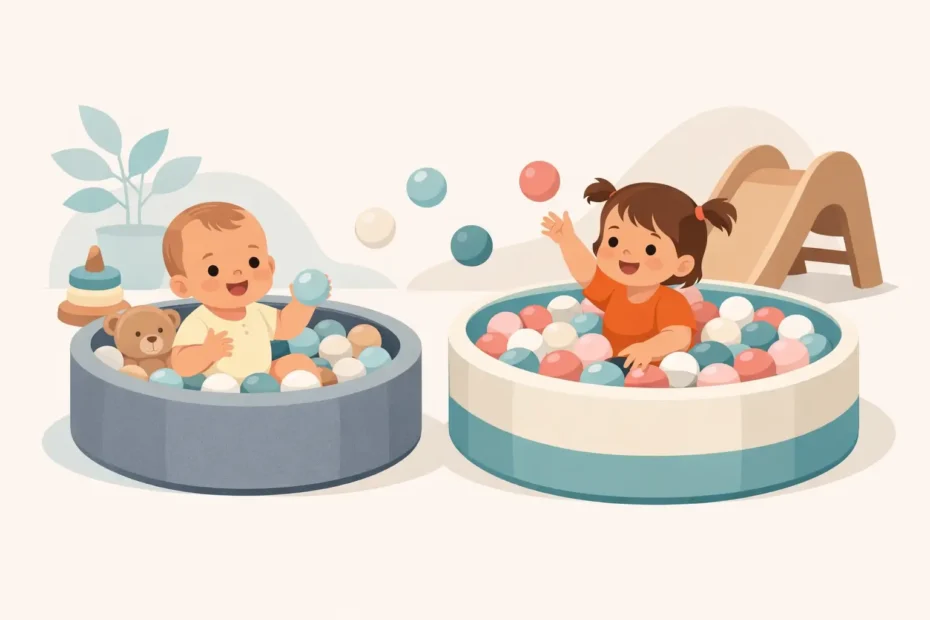
A well-chosen ball pit can turn an unused corner of the lounge, nursery room or playgroup into the place children head for first. Ball pits for babies and toddlers create a contained space for rolling, reaching, climbing, hiding and imaginative games, while giving parents and carers a practical indoor activity that can be used day after day.
The right choice is not simply the biggest pit or the lowest price. The child’s age, the available floor space, supervision arrangements, cleaning routine and quality of the foam and cover all matter. For commercial settings, durability and the ability to replace or add components can matter just as much as colour and shape.
Why ball pits are more than a colourful play area
Young children learn through movement. A baby sitting among lightweight balls practises balance and core stability as they reach, twist and transfer objects from hand to hand. A confident toddler will crawl in, climb over the padded edge, scoop balls into containers and invent their own games. Those small actions help build coordination, body awareness and confidence without making play feel like a lesson.
Ball pits also offer sensory play without taking over the whole house. The movement, texture and sound of the balls give children plenty to explore, while the soft padded surround creates a more defined play zone than loose toys spread across the floor. This can be particularly useful on wet weekends, during school holidays or when a child needs somewhere active to play indoors.
For nurseries, preschools and playgroups, a ball pit can support both independent play and small-group activities. Add soft play shapes, a low step or a slide where suitable, and the area becomes a flexible movement station rather than a single-purpose purchase.
Choosing a ball pit for babies and toddlers
Start with the child who will use it most often. Babies who are sitting steadily need a low, supportive edge and close adult supervision. Toddlers need enough internal room to move around without the pit becoming so large that it dominates the room. If siblings will use it together, choose a size that allows shared play but still fits safely in the intended area.
Measure the space before ordering. Leave room for an adult to sit beside the pit, help a child in and out, and clean around it properly. In a busy nursery or commercial play area, allow clear routes for staff and children rather than placing the ball pit beside a doorway, fire exit or thoroughfare.
The ball quantity matters too. Too few balls can leave the base exposed and make the pit feel less inviting. Overfilling can make it difficult for younger children to sit securely or find their footing. A sensible fill level gives children the fun of sinking into the balls while retaining space to move safely.
Foam quality and padded edges
The foam structure is the foundation of the whole product. A ball pit should have firm, supportive walls that keep their shape through regular use, yet remain soft enough for little bodies who are still learning where their feet are. Flimsy sides can sag, lose their form and make entering or leaving the pit less stable.
A sturdy base is equally valuable, particularly on hard flooring. Many families place a ball pit on carpet or a play mat for added comfort. In commercial settings, safety flooring and the layout of the wider soft play area should be considered from the start.
Covers that stand up to real life
Babies spill drinks. Toddlers bring in crumbs, paint, mud and the occasional mysterious sticky hand. A wipe-clean cover is therefore a practical essential, not a luxury. Look for durable, easy-clean material and neatly finished seams, particularly when the ball pit will have heavy daily use.
Removable covers can make routine cleaning more manageable, but it is worth checking how easy they are to refit. A cover that looks smart but is awkward to remove may be less convenient for a busy nursery team. At home, a simple wipe-down after use and a deeper clean on a regular schedule will keep the area fresh.
Size, shape and colour options
Square pits use space efficiently and fit neatly against a wall or into a corner. Round pits soften the look of a room and can encourage children to move around the full perimeter. Larger bespoke shapes can work brilliantly in a nursery room, family entertainment venue or dedicated soft play centre, especially where the layout needs to fit around pillars, doors or existing equipment.
Colour is not only about matching the décor. Bright mixed balls give a lively, classic playroom feel and are useful for colour-recognition games. Softer shades can suit a calm home play area, sensory room or modern nursery interior. Bespoke colour combinations allow commercial buyers to create a more coordinated setting without sacrificing the fun children expect from a ball pit.
Safety comes before the fun
A ball pit is an active play item, so it should always be used with sensible supervision. Babies and younger toddlers should never be left unattended in a ball pit, even for a moment. Adults should also check that children using the pit are developmentally ready to sit, crawl or climb in and out safely.
Inspect the pit and balls regularly. Remove any damaged balls, check the cover for splits or loose stitching, and make sure the foam walls remain secure and supportive. Keep small toys, sharp objects, food and drink out of the pit. These simple checks make a major difference to safe, hygienic play.
For nurseries and other shared environments, establish a clear cleaning and inspection routine. Balls need regular cleaning, especially during periods of coughs, colds and high footfall. Staff should also know the maximum number and age range of children permitted in the pit at one time. More children is not always better – overcrowding quickly reduces the comfort and safety of the space.
Home ball pits versus commercial ball pits
A domestic ball pit is usually chosen for a smaller footprint, easy storage and everyday family use. It needs to be strong, comfortable and simple to clean, but it may not face the constant demand of a setting with dozens of children each day. Parents may prioritise a colour scheme that works in the lounge or a size that can be moved between rooms.
Commercial buyers need to think longer term. A nursery, school, playgroup or soft play venue should consider material durability, available replacement options, cleaning demands, capacity and how the ball pit works with the rest of the equipment. A bespoke solution can be better value than trying to force a standard size into an awkward room.
This is where UK manufacturing can make a real difference. Softplay Toys4Kids can produce soft play equipment in custom sizes and colour choices, helping families and organisations create a ball pit setup that suits the space rather than settling for a poor fit. Direct support also matters when you need advice on dimensions, quantities or building a larger indoor play area around the pit.
Make the ball pit work harder
A ball pit earns its place when it changes with the child. For babies, place a few larger sensory-safe toys nearby for reaching and grasping. As toddlers grow, introduce simple games: find a particular colour, collect balls in a bucket, throw gently into a target or follow instructions such as in, out, under and beside. These activities support language, sorting and turn-taking while keeping the emphasis on play.
Pairing the pit with compatible soft play pieces gives toddlers a fresh challenge. A low foam step can help them practise climbing. A soft tunnel encourages crawling. A padded mat outside the pit gives them a comfortable landing and creates a clearer boundary for the play zone. The best arrangement depends on the child’s confidence and the amount of adult supervision available.
Do not buy a larger setup just because it looks impressive in a photograph. A compact, well-made ball pit that is used every day offers far more value than an oversized one that is difficult to clean, awkward to place or rarely brought out.
A purchase children will return to
The best ball pits for babies and toddlers combine soft, supportive construction with the right size, a practical cleanable finish and enough balls to make play feel exciting. Whether you are setting up a first play corner at home or planning a busy nursery activity room, choose equipment designed for real children, real mess and repeated use. Give them a safe space to move, laugh and make their own games, and it is likely to become the part of the room they remember most.
Leave a Reply