
Therapeutic Soft Play Equipment: A Comprehensive Guide for 2026
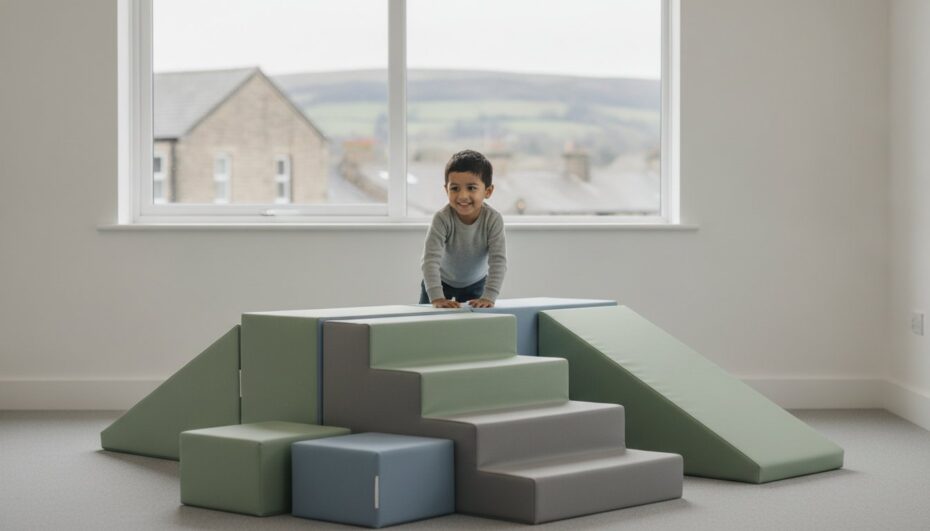
Did you know that the sensory play segment is currently growing 50% faster than the rest of the soft play industry? It’s a clear sign that parents and carers are looking for more than just a place to burn off energy. When you invest in therapeutic soft play equipment, you aren’t just buying foam and PVC; you’re building a precision-engineered sanctuary for sensory regulation and physical growth. We understand the pressure of wanting the absolute best for your child while feeling overwhelmed by clinical terms and the fear of low-quality imports. You deserve a solution that prioritizes safety and durability without the stress of complicated setups or massive price tags.
We agree that every child deserves a safe “yes” space where they can explore their limits without risk. This comprehensive 2026 guide will help you navigate the selection process to find equipment that supports motor skills and inclusive play perfectly. We’ll preview the latest BS EN safety standards, explain how to maximize limited space with modular designs, and show you why choosing UK-manufactured quality is the smartest move for your budget. By the end of this article, you’ll have a clear roadmap to creating a calm, regulated environment that truly supports your child’s happiness and development.
Key Takeaways
- Understand the vital differences between standard toys and high-density therapeutic soft play equipment designed for medical-grade safety.
- Discover how specific sensory inputs help calm the nervous system; this improves your child’s balance and emotional regulation.
- Learn to select the perfect shapes and textures to support your child’s unique sensory profile.
- Master the art of “zoning” to create a functional, therapeutic space in even the smallest rooms.
- See how buying direct from our West Yorkshire factory ensures premium quality without the middleman markup.
What is Therapeutic Soft Play Equipment?
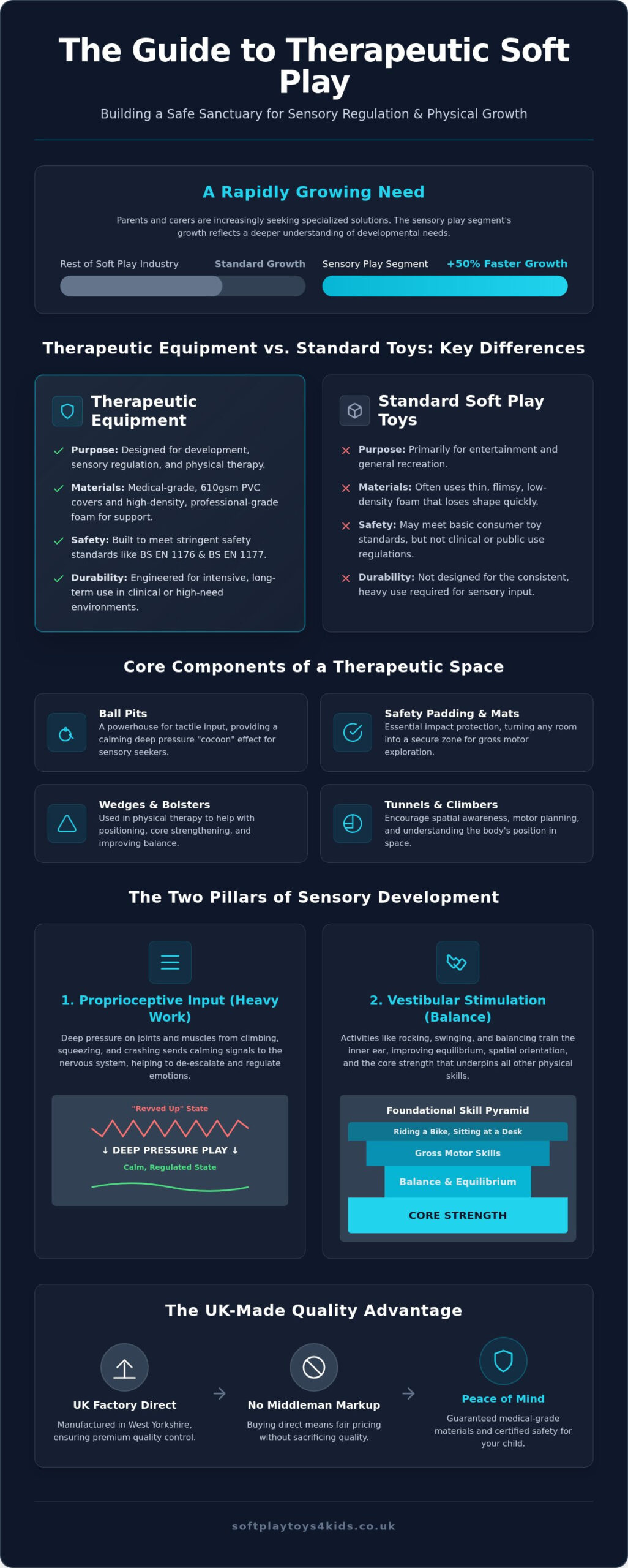
Investigating high-quality therapeutic soft play equipment is about more than just finding soft surfaces for a playroom. It’s about precision-engineered tools designed to provide specific sensory feedback and physical support. Unlike the thin, flimsy foam you might find in budget high-street toys, true therapeutic equipment uses professional-grade, high-density foam. This ensures the equipment maintains its shape under pressure, providing the resistance necessary for “heavy work” that helps children regulate their nervous systems. We manufacture our range right here in West Yorkshire using 610gsm PVC covers, which are medical-grade, easy to clean, and built to withstand years of intensive use in high-need environments.
The difference between “standard” and “therapeutic” gear comes down to intent and durability. Standard soft play is for entertainment; therapeutic equipment is for development. It’s designed for children with Autism, ADHD, Sensory Processing Disorder (SPD), and physical disabilities who require a safe “yes” space to explore their physical limits. Because these items are often used in clinical or educational settings, adhering to safety standards like BS EN 1176 and BS EN 1177 is non-negotiable. These regulations ensure that the equipment and the impact-absorbing surfaces around it meet the highest safety benchmarks for 2026, giving you total peace of mind while your child plays.
The Core Components of a Therapeutic Space
- Safety Padding and Floor Mats: These provide essential impact protection, turning any room into a secure environment for gross motor exploration.
- Soft Play Ball Pits: These are powerhouses for tactile input. The deep pressure of the balls provides a “cocoon” effect that is incredibly calming for sensory seekers.
- Wedges and Bolsters: Used frequently in physical therapy, these shapes help with positioning, core strengthening, and balance.
- Tunnels and Climbers: These encourage spatial awareness and help children understand where their body is in relation to their surroundings.
Soft Play vs. Traditional Sensory Toys
While traditional sensory toys often focus on fine motor skills, like fidgeting or light-up gadgets, therapeutic soft play equipment targets gross motor development. It involves the whole body. This is the difference between “passive” engagement, where a child watches a bubble tube, and “active” engagement, where they are climbing, jumping, and crashing. Foundational concepts in Play therapy suggest that active movement allows children to express themselves and process emotions physically. By engaging the vestibular and proprioceptive systems, soft play helps build the physical confidence that smaller toys simply can’t provide. Ultimately, therapeutic soft play acts as a vital bridge between spontaneous play and structured clinical intervention.
The Developmental Benefits of Therapeutic Soft Play
Movement is the primary language of childhood. According to research from Michigan State University, regular physical activity in young children doesn’t just build muscles; it actually helps increase memory, perception, language, and attention. When you introduce therapeutic soft play equipment into a child’s routine, you’re providing a specialized environment that speeds up these developmental milestones. It’s not just about having fun. It’s about giving the brain the specific data it needs to understand the body. This is especially vital for children who struggle with sensory processing, as it offers a controlled way to experience the world without the risk of injury or overwhelm. Beyond physical play, ensuring your child’s visual health is well-managed is another key piece of the sensory puzzle; for instance, you can learn more about Castle Opticians to see how independent specialists support vision as part of overall wellbeing.
One of the most significant advantages is the delivery of proprioceptive input. This is often called “heavy work.” When a child squeezes into one of our high-density foam ball pits or crawls through a weighted tunnel, the deep pressure on their joints and muscles sends calming signals to the nervous system. It’s an incredible tool for de-escalation. If a child is feeling “revved up” or on the verge of a meltdown, five minutes of deep-pressure play can often bring them back to a state of calm. Unlike standard toys, our therapeutic soft play equipment is firm enough to provide the resistance needed for this vital sensory feedback.
We also focus heavily on vestibular stimulation. This relates to the sense of balance and spatial orientation. By using rockers, balance beams, and tilted wedges, children learn to navigate gravity. It improves their equilibrium and core strength, which are the foundations for every other physical skill, from sitting at a desk to riding a bike. Research shows that children who spend more time in active play have more positive attitudes and are less likely to show signs of stress or anxiety. You can explore our full range of soft play mats and padding to start building your own dedicated de-escalation zone at home or in the classroom.
Supporting Sensory Processing Disorder (SPD)
For children with SPD, the world can feel either too loud or too quiet. Tactile surfaces in a soft play environment provide the necessary feedback for “sensory seekers” while offering a safe, predictable texture for “sensory avoiders.” Using these tools helps reduce sensory defensiveness over time because the child is in control of the interaction. If you’re looking for smaller items to complement your setup, check out our sensory toys guide for more specialized ideas. Our UK-made equipment ensures that every surface is non-toxic and soothing to the touch, unlike many low-quality imports that can have harsh chemical smells or rough seams.
Building Physical Strength and Coordination
Core stability is the secret engine of child development. Navigating uneven surfaces like our soft foam wedges and thick floor mats forces a child’s core muscles to engage constantly. This improves posture and coordination without the child even realizing they’re “working.” Navigating through tunnels and over blocks also enhances spatial awareness; they learn where their body ends and the rest of the world begins. Therapeutic play turns physical therapy into a joyful, self-led discovery process. It’s about building confidence one climb at a time, ensuring your child feels strong, capable, and secure in their environment.
Selecting the Right Equipment for Specific Needs
How do you decide which piece of therapeutic soft play equipment is the right fit for your home or school? It starts with understanding your child’s unique sensory profile. Is your child a “sensory seeker” who constantly craves movement and high-impact play? Or are they a “sensory avoider” who feels overwhelmed by bright lights and loud textures? Seekers need high-density foam that offers significant resistance for “crash” play. Avoiders, on the other hand, benefit from neutral-coloured mats and soft, predictable surfaces that create a sense of security. We take pride in our West Yorkshire manufacturing process because it allows us to control every detail, ensuring our equipment meets these diverse needs with precision.
When you’re choosing for a child on the Autism spectrum, predictability and tactile comfort are your top priorities. Abrupt changes in texture or flimsy equipment that wobbles unexpectedly can cause distress. Our medical-grade, phthalate-free PVC covers are smooth to the touch and incredibly durable, providing a consistent sensory experience. For children with physical disabilities, the focus shifts toward accessibility and core support. Large wedges and bolsters are essential for comfortable positioning and assisting with transitions from sitting to standing. We invite you to compare our foam density and seam strength with cheap international imports; our UK-made quality is built to last in high-use clinical environments.
Deep Pressure and Tactile Solutions
- The Power of Cocooning: High-sided ball pits are the ultimate tool for deep pressure. Sinking into thousands of balls provides a “cocoon” effect that calms the central nervous system almost instantly.
- Weighted Input: High-density foam blocks provide the “heavy work” feedback that helps children feel grounded and secure.
- Tactile Exploration: Textured mats and safety pads with varied surfaces encourage children to explore their sense of touch in a safe, controlled way.
Movement and Balance Equipment
Developing the vestibular system requires equipment that challenges equilibrium safely. Balance boards and rockers are fantastic for this, as they force the core muscles to engage while the child navigates gravity. Motor planning and sequencing are also vital skills that can be practiced using soft play steps and slides. These pieces require the child to plan their movements in a specific order, building neural pathways through repetition. If your child is a high-energy “crasher,” ensure you have adequate safety padding and thick floor mats to absorb the impact. This turns a potentially risky activity into a productive, therapeutic session. Our factory-direct pricing ensures you get these professional-grade tools without the middleman markup.
Designing Your Therapeutic Play Area
Creating a dedicated sensory space doesn’t require a massive budget or a professional design team. It requires a plan. Designing with therapeutic soft play equipment is about more than just filling a room with foam; it’s about intentionality. Start by assessing your child’s primary need. Does the space need to be a calming sanctuary for de-escalation, or a stimulating gym for gross motor development? Once you’ve defined the goal, measure your space carefully. We always recommend “zoning” over clutter. By designating a specific corner for high-energy “heavy work” and another for quiet reflection, you prevent the room from becoming a chaotic source of overstimulation.
The foundation of any safe room is high-quality floor coverage. We recommend starting with durable baby play mats that provide enough “give” for falls but enough firmness for stable walking. Don’t forget the walls. Wall padding is essential for high-energy children who need to “crash” safely. Once the foundation is set, you can select your “hero” pieces. These are the larger items like ball pools or tunnels that anchor the room. Finally, establish a maintenance routine. Our medical-grade PVC is designed for easy cleaning; a simple wipe down with a mild detergent keeps your equipment hygienic and ready for use every single day.
Home-Based Therapy Solutions
You don’t need a massive spare room to make an impact. For smaller homes, corner ball pits and wall-mounted safety pads are brilliant space-savers. They transform an unused nook into a functional therapy zone without taking over the entire living area. We also offer modular sets that you can reconfigure or store away when they aren’t in use. If you’re just starting your journey, our guide on creating soft play at home offers practical tips for every budget. We take pride in helping parents build these essential “yes” spaces right in their own homes.
Commercial and School Environments
In high-traffic SEN classrooms, durability is the top priority. Equipment in these settings faces constant use, so high-density foam and reinforced seams are essential. We specialize in bespoke solutions, including custom column padding and radiator covers that turn potential hazards into soft, safe surfaces. For Ofsted-regulated spaces, ensuring your equipment meets BS EN 1176 and 1177 standards is vital for insurance and safety compliance. Don’t settle for low-quality alternatives that won’t stand up to the rigors of a school day. You can shop our full range of safety pads and padding to find professional-grade solutions made right here in our West Yorkshire factory.
The SoftplayToys4kids Difference: UK-Made Quality
Why settle for mass-produced imports when you can have handmade excellence from a local source? At SoftplayToys4kids, we don’t just sell therapeutic soft play equipment; we manufacture it. Located in our dedicated West Yorkshire factory, our team oversees every stage of production. This direct-to-consumer model means you aren’t paying for a distributor’s markup or international shipping fees. Instead, your budget goes exactly where it should: into the highest quality high-density foam and medical-grade PVC. We invite you to compare our seam strength and material durability with any other supplier on the market; we’re confident our craftsmanship stands in a league of its own.
Every stitch and seam undergoes a rigorous safety check before it leaves our floor. We understand that in a therapeutic setting, equipment needs to be more than just “soft.” It needs to be reliable. Our commitment to using non-toxic, phthalate-free materials ensures that even the most sensitive skin is protected during play. If you have a room with awkward angles, low radiators, or structural columns, we don’t just offer “one size fits all” solutions. We create bespoke padding and custom sets tailored to your specific room dimensions, ensuring every inch of your space is safe and functional. For projects requiring electrical adjustments to accommodate this padding, SocketSpacers.com provides custom-fit plates to keep your sockets accessible and secure.
From Factory to Front Door
Choosing a UK-based manufacturer isn’t just a badge of pride; it’s a practical advantage for you. A local supply chain means faster shipping times and a significantly lower carbon footprint compared to overseas alternatives. By buying from us, you’re directly supporting British manufacturing and the local Bradford economy. We take a hands-on approach to every single order, ensuring that from the moment a design is cut to the second it’s packed for delivery, it meets our premium standards. You don’t have to wait weeks for a container ship to arrive; your child’s new play space is crafted and dispatched right here in the heart of Yorkshire.
Unbeatable Value and Safety
- No Middleman Markup: Because we own the factory, we pass the savings directly to you, offering commercial-grade quality at factory-direct prices.
- Rigorous Testing: Our products are built for the high-traffic demands of SEN schools and professional therapy centres, meaning they’ll last for years in a home environment.
- Bespoke Precision: We can tweak designs to suit your child’s specific sensory needs, something a simple distributor simply cannot do.
Don’t compromise on your child’s safety or development. You deserve the peace of mind that comes from knowing exactly where and how your equipment was made. It’s time to build that perfect “yes” space with tools you can trust. Browse our full range of therapeutic soft play equipment today and experience the difference that UK-made quality makes for your family or facility.
Build Your Child’s Perfect Sanctuary Today
You now have the roadmap to create a truly inclusive, developmental environment. By focusing on high-density foam for proprioceptive feedback and designing with specific sensory zones in mind, you’re giving your child the tools they need to thrive. Choosing the right therapeutic soft play equipment doesn’t have to be a clinical headache. It’s about finding that perfect balance between safety, durability, and joyful exploration. Whether you’re outfitting a small sensory nook at home or a full SEN classroom, the quality of your equipment is the foundation of your child’s success.
Why compromise with low-quality imports when you can have the best of British manufacturing? Our team in West Yorkshire is ready to help you with bespoke design services and factory-direct pricing that ensures you get unbeatable value. Every piece we make is UK safety standard compliant, giving you the peace of mind you deserve. It’s time to turn your vision into a reality and create a safe “yes” space that supports every milestone. Shop our handmade UK Therapeutic Soft Play collection today and start building a brighter, more regulated future for your child. We’re here to help you every step of the way!
Frequently Asked Questions
What is the best soft play equipment for a child with Autism?
High-density ball pits and neutral-coloured mats are often the best choice for children with Autism because they provide predictable tactile input and a secure cocooning effect. These pieces help reduce anxiety by offering a safe space where the child is in total control of their environment. Our West Yorkshire-made equipment uses medical-grade PVC that feels consistent and soothing, which is vital for those who are sensitive to unexpected textures or flimsy materials.
How do I clean and sanitise therapeutic soft play mats?
You can easily clean and sanitise your play mats using a soft cloth, warm water, and a mild, non-abrasive detergent. Because we use premium 610gsm PVC covers, the surfaces are non-porous and resistant to moisture, making them perfect for frequent wipe-downs in high-use settings. It’s important to avoid harsh bleach or industrial solvents that could degrade the material over time; a simple, regular cleaning routine is all it takes to keep the area hygienic.
Is soft play equipment suitable for older children with SEN?
Yes, therapeutic soft play equipment is highly suitable for older children with SEN, provided it is manufactured using professional-grade, high-density foam that can support their larger frames. Older children often benefit from “heavy work” activities like climbing or navigating through firm tunnels to help with emotional regulation and core stability. We ensure our foam density is significantly higher than standard high-street toys, so it remains supportive and durable as your child grows.
Do you offer custom-sized wall padding for sensory rooms?
We certainly do offer bespoke, custom-sized wall padding and column protectors designed specifically for your unique room dimensions. Our West Yorkshire factory specialises in creating tailored solutions for awkward spaces, including radiator covers and padding for specific architectural features. This ensures every corner of your sensory room is transformed into a safe, functional environment. Simply provide your measurements, and our hands-on team will handle the precision manufacturing for you.
What safety certifications should I look for in therapeutic equipment?
You should always look for equipment that complies with BS EN 1176 and BS EN 1177, which are the primary UK safety standards for playground equipment and impact-absorbing surfacing. These certifications ensure the materials are non-toxic, fire-retardant, and structurally sound for therapeutic use. Buying direct from a UK manufacturer like us guarantees that your gear meets these rigorous 2026 benchmarks, providing the level of protection that Ofsted-regulated environments and insurance providers require.
How can soft play help with sensory processing disorder (SPD)?
Soft play helps manage Sensory Processing Disorder (SPD) by providing controlled proprioceptive and vestibular input that helps the brain organise sensory information. Using high-quality therapeutic soft play equipment allows children to satisfy their need for “heavy work” or movement in a safe, predictable way. This active engagement is a powerful tool for reducing sensory defensiveness and helping children feel more grounded and secure in their own bodies throughout the day.
Can I use therapeutic soft play in a standard home playroom?
Absolutely, you can integrate therapeutic items into any standard home playroom to create a dedicated de-escalation or development zone. Many parents start with modular play mats or corner ball pits that offer maximum therapeutic benefit without requiring a full sensory room conversion. Our equipment is designed to be aesthetically pleasing and durable, making it a smart investment that provides a safe “yes” space for exploration right in the heart of your family home.
What is the lead time for handmade UK soft play equipment?
Because we manufacture everything right here in the UK, our lead times are significantly faster than competitors who rely on international shipping. While specific times can vary based on the complexity of bespoke orders, our local supply chain in Bradford allows us to process and dispatch handmade items with impressive efficiency. You won’t be waiting for weeks on a container ship; our hands-on approach ensures your order is crafted and delivered with the speed only a local manufacturer can provide.
Leave a Reply