
Ball Pool Sets Review: What UK Buyers Should Check
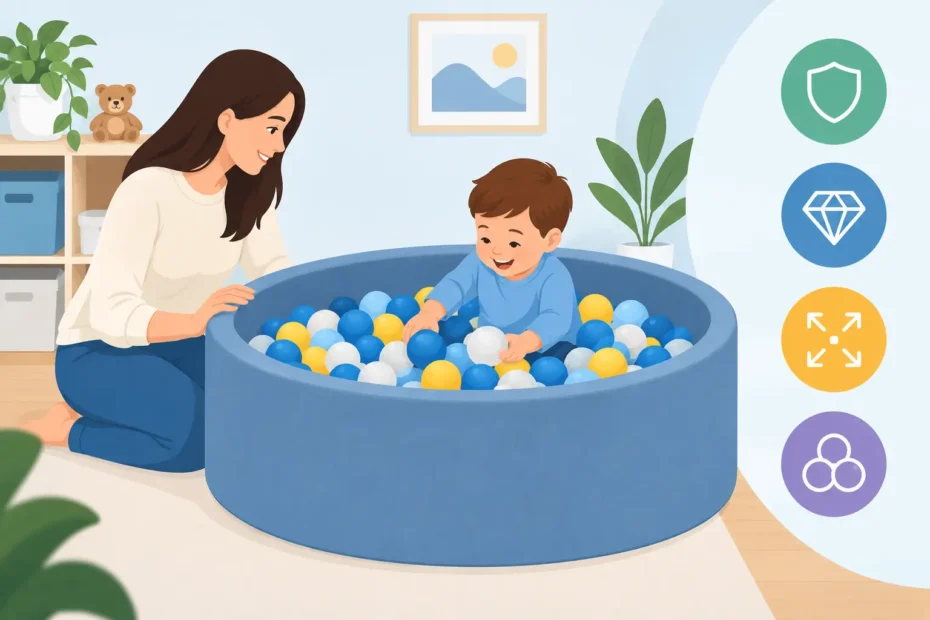
A ball pool can turn an unused corner of a lounge, nursery room or soft play venue into the area children head for first. But the difference between a great purchase and a frustrating one is rarely the colour of the balls. It is the strength of the walls, the amount of usable play space, the quality of the balls and whether the set suits the children who will actually use it. This ball pool sets review focuses on the details UK parents, nurseries and commercial buyers should check before placing an order.
Ball Pool Sets Review: Start With How It Will Be Used
A compact ball pool set can be an excellent choice for babies and toddlers learning to sit, crawl, stand and move with confidence. It creates a contained, sensory-rich space where little ones can reach, roll, scoop and explore. For home use, this often means choosing a size that fits comfortably in a bedroom, playroom or living area without swallowing the entire room.
For nurseries, playgroups and soft play centres, the priorities change. You need room for more than one child, walls that hold their shape through repeated use and a practical cleaning routine. A small domestic pool may look good at first, but it can quickly become overcrowded in a busy setting. Commercial buyers should also consider entry and exit points, supervision lines and how the pool will work alongside mats, foam shapes or climbing equipment.
The right set depends on the age range, the available floor space and expected use. A baby who is just beginning floor play needs a lower, supportive environment. Confident toddlers generally enjoy deeper pools with enough room to move. A mixed-age nursery group may need a larger, firmer configuration with a defined play zone.
Check the Foam Walls Before the Ball Count
The balls catch the eye, but the foam frame is the foundation of the set. Flimsy walls can bow outward, collapse when children lean on them or lose their neat shape after regular use. A well-made foam ball pool should feel stable, supportive and comfortable without becoming hard or unforgiving.
Look for high-density foam and strong stitching, especially if the pool will be used every day. Removable, wipe-clean covers are a major advantage because they make routine cleaning far more manageable. For home buyers, this means less worry after snack time, muddy socks or a stomach bug. For nurseries and commercial venues, it supports a sensible hygiene routine between sessions.
Vinyl or PVC coverings are popular because they are durable and easy to wipe down. The finish should be smooth, with no sharp edges, exposed zips or weak seams in areas children will touch. Where covers use zips, these should be positioned safely and discreetly. A quality product is built for real play, not just for a photograph.
It is also worth checking whether replacement covers, balls or individual sections can be supplied. This matters particularly in commercial environments, where a single damaged component should not mean replacing an entire setup.
Size, Depth and Shape Make a Bigger Difference Than Expected
Before buying, measure the intended space and leave a clear perimeter around the pool. Children need room to climb in and out safely, while adults need access for cleaning, supervising and retrieving the occasional lost toy. A ball pool that is technically small enough for a room can still feel impractical if it blocks a doorway or leaves no walking space.
Depth deserves equal attention. A shallow pool works well for babies and younger toddlers, allowing them to sit among the balls without becoming overwhelmed. Older toddlers often prefer a deeper fill, but this should not make it difficult for them to get in or out. In group settings, deeper pools usually require closer supervision because younger children can become hidden by balls and older children.
Square and rectangular pools make efficient use of corners and walls, which is useful in homes, classrooms and nursery rooms. Round designs can create a softer look and may suit a central play area, although they can take up more floor space for the same usable interior. Bespoke shapes and sizes are especially valuable where a commercial venue has an awkward alcove, a themed zone or a fixed layout to work around.
Ball Quality Is About Safety and Staying Power
Not all play balls are equal. Cheap, thin balls can dent within days, split under pressure and become difficult to clean. Once a ball is crushed, it affects the feel of the whole pool and soon leaves the set looking tired. Stronger balls retain their shape and give children the satisfying movement and resistance that makes ball pool play so enjoyable.
For babies and young children, choose balls that are appropriately sized and designed for safe play. They should be smooth, free from rough moulding marks and made from child-safe materials. Commercial settings should plan for spare balls from the start. Balls inevitably go missing, move into other play zones or need removing for cleaning, and a pool looks sparse surprisingly quickly.
The number of balls supplied should be judged against the pool’s internal dimensions and intended depth, not simply treated as an impressive headline figure. A large quantity in a small pool can make it too deep for younger children. Too few in a large pool leaves the base exposed and reduces the sensory experience. Ask whether the ball quantity can be adjusted if you are ordering a bespoke size.
Colour matters too, especially when the pool forms part of a wider soft play area. Bright primary colours create a classic active-play look, while pastel shades work beautifully in home playrooms, baby groups and calmer nursery spaces. A balanced mix can support colour recognition and sorting games, but a single-colour or coordinated palette may better suit your interior or brand identity.
Cleaning Should Be Planned Before the First Play Session
Ball pools are brilliant fun, but they demand a realistic approach to cleanliness. At home, regular wiping of the frame and periodic cleaning of the balls may be enough, depending on use. In a nursery or public play environment, the routine needs to be more structured, with clear procedures for cleaning balls, covers and surrounding safety mats.
A practical setup avoids unnecessary crevices and makes it simple to lift balls out in batches. Some operators rotate spare sets of balls, allowing one batch to be cleaned while another is in use. This can reduce disruption in busy settings. It also helps to place the pool away from messy craft tables, food areas and direct entrances where outdoor dirt is most likely to travel in.
Do not overlook the floor underneath. The pool should sit on a clean, level surface, and neighbouring areas should offer suitable cushioning where children are climbing, jumping or moving between equipment. In a larger soft play layout, ball pools work particularly well beside foam steps, slides and activity shapes, provided each piece has enough clear space around it.
Domestic Sets and Commercial Ball Pools Are Not Interchangeable
A lower-cost home ball pool can be ideal for occasional family use, especially where storage and floor space are limited. It does not necessarily need the same wall height, heavy-duty cover or replacement-part availability as a pool used by dozens of children each week. Buying more than you need is not always best value.
However, commercial buyers should resist choosing purely on the lowest price. A nursery, school or soft play centre needs equipment that handles repeated use, cleaning and active group play. Downtime costs money, and a pool that loses shape or becomes difficult to maintain soon stops being a bargain. Durable construction, sensible dimensions and supplier support are part of the purchase price, even if they are not the most visible features at first glance.
Softplay Toys4Kids manufactures soft play equipment in the UK and can help buyers who need a ball pool designed around a particular room, colour scheme or commercial requirement. Bespoke production is particularly useful when standard sizes leave wasted floor space or do not match the rest of your play area.
Questions Worth Asking Before You Order
A reliable supplier should be able to answer straightforward questions about materials, dimensions, ball quantities and care. Ask what the outer cover is made from, whether it can be removed, how firm the foam walls are and whether spare balls can be ordered later. For commercial installations, ask about custom sizing, colour matching and whether the equipment is suitable for the age group and level of use you expect.
Photographs are useful, but measurements are more useful. Check external and internal dimensions, wall thickness, wall height and the recommended number of balls. If the pool is intended for a small room, mark out the footprint on the floor with tape before committing. It is a simple step that prevents expensive surprises.
The best ball pool is the one children can use freely, adults can keep clean and your space can accommodate without compromise. Choose for the daily reality of play, not just the first exciting moment it arrives.
Leave a Reply