How to Design a Sensory Gym at Home for Play and Movement
More equipment doesn’t automatically make a better home sensory gym. Designing a sensory gym at home works best when the space and activities suit your child’s interests, movement needs and everyday routines. A calm, practical set-up can support both active play and quieter moments without filling your home with equipment.
It’s understandable to want a space that feels engaging but is manageable at home. This guide explains how to choose suitable equipment, plan a clear area for movement, create activity zones and use visual schedules to support familiar routines. You’ll also learn how to start with a few adaptable ideas and build on what your child enjoys, so the space works for your family without becoming a complicated project.
Key Takeaways
- Choose activities and equipment around your child’s interests, then build up gradually based on what they enjoy.
- Plan a calm, clear space for movement, with room arranged to suit the equipment and the way your family uses it.
- Use distinct activity zones and a visual schedule to make play feel more predictable and organised.
- Make the space part of familiar family routines, keeping activities flexible so they fit everyday life.
Selecting sensory and exercise equipment
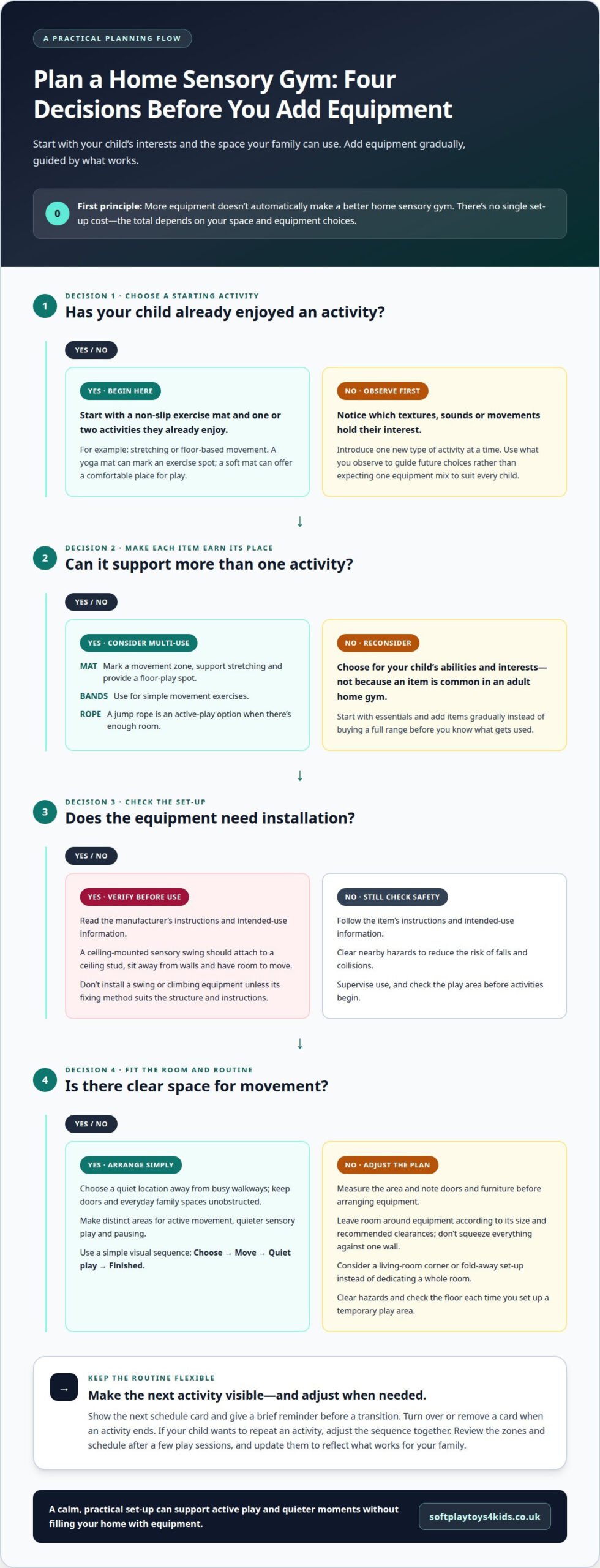
Choose equipment around your child’s interests, movement goals and sensory preferences. When designing a sensory gym at home, start with a few useful items, then adjust the set-up as you learn what works.
-
Start with Basic Equipment
Begin with a non-slip exercise mat and one or two activities your child already enjoys, such as stretching or floor-based movement. A yoga mat can mark an exercise spot, while a soft mat offers a comfortable surface for play. There’s no single set-up cost in the UK: the total depends on the space and equipment you choose. Start with the essentials, then add items gradually instead of buying a full range before you know what gets used.
-
Choose Multi-Use Equipment
Choose items that support different activities, so each one earns its place in a shared room. A mat can mark a movement zone, support stretching and provide a comfortable place for floor play. Resistance bands can be used for simple movement exercises, while a jump rope is another active-play option when there’s enough room. Keep your child’s abilities and interests in mind, rather than adding equipment just because it’s common in an adult home gym.
-
Match Equipment to Sensory Needs
Choose activities that match the sensory experiences your child seeks or finds comfortable. A child who enjoys movement might like a supervised balance activity, while a child who prefers quieter play may respond better to familiar sensory toys. Introduce one new type of activity at a time and notice which textures, sounds or movements hold your child’s interest. Use those observations to guide future choices, rather than expecting one mix of equipment to suit every child.
-
Check Safety and Installation
Read the manufacturer’s instructions and intended-use information for every item. UK requirements depend on the equipment and how it is supplied, so don’t assume a product is suitable simply because it looks sturdy. A ceiling-mounted sensory swing should attach to a ceiling stud and sit away from walls, with room to move. Reduce the risk of falls and collisions by clearing nearby hazards and supervising use. Don’t install climbing equipment or a swing unless its fixing method suits the structure and instructions.
Choosing and planning a suitable home space
Plan around the room your family can use consistently, whether it’s a dedicated space or a temporary play area. Prioritise clear space for movement, quiet and practical storage.
- Choose a quiet location with enough room for your child to move freely. A spare room can stay set up, while a living-room corner can be arranged when needed. Consider household routines, too: a spot away from busy walkways is easier to keep clear during play. Keep access to doors and everyday family spaces unobstructed.
- Map the floor before arranging equipment. Measure the available area, note doors and furniture, then allocate space according to each item’s size and recommended clearances. Leave room to move around equipment instead of squeezing everything against one wall. In a small flat, a fold-away set-up may be more practical than dedicating the whole room permanently.
- Prepare the floor and remove hazards before play begins. Soft flooring can make the area more comfortable, while clearing sharp objects and unstable furniture helps reduce avoidable risks. Check the floor each time you set up a temporary zone, especially if toys or household items have moved into the space.
- Adjust the surroundings to suit the activity. Soft, adjustable lighting can create a calmer atmosphere, while brighter light may suit active play. Check for glare, shadows and nearby noise, then make simple changes such as repositioning a lamp or closing a door. Keep switches and cords outside the movement area.
- Match the set-up to your available space and budget. A dedicated room gives equipment a permanent home, while an adaptable corner can work with a smaller footprint. For a hard column beside the play area, column padding can provide a soft covering. Choose only what fits the layout, and keep clear floor space for movement.
Creating activity zones and visual schedules
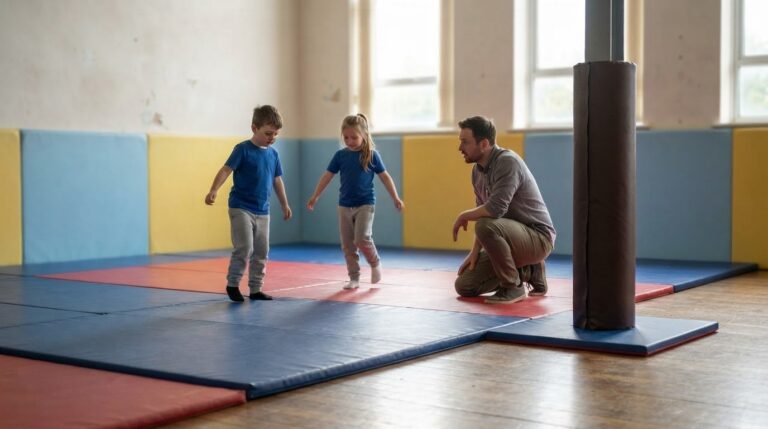
Use clear activity spaces and a simple visual sequence to make play easier to follow. Safe home activities include floor-level stretching, walking along a clear path and supervised movement games.
- Define separate zones for different types of play. For example, mark one area for active movement, another for quieter sensory play, and a clear spot to pause. A mat or a change in floor space can show where each activity begins. Keep boundaries simple, especially in a shared room, so the zones are easy to recognise and reset.
- Arrange activities in a sequence that suits your child. A visual schedule might show “choose”, “move”, “quiet play” and “finished”, using words, drawings or photographs. Place the next activity where it’s visible, then remove or turn over each card when that activity ends. This gives the routine a clear beginning and finish.
- Offer a small choice within each zone. In the movement area, your child might choose stretching or walking along a clear floor path. In a quieter space, they could explore a familiar sensory toy or pause. Keep activities age-appropriate, supervise movement and leave the route between zones free of clutter.
- Make transitions visible and predictable. Before switching from active play to a quieter activity, point to the next schedule card and give a brief reminder. If your child wants to repeat an activity, adjust the sequence together instead of treating the schedule as fixed. Clear zones can make the home gym feel more organised and may ease anxiety about what happens next.
- Review the layout after a few play sessions. Notice which picture cards your child understands, which zones they return to and where transitions feel difficult. For example, if moving from a movement game to quiet play feels abrupt, place a familiar pause activity between them. Update the schedule and zone markers to reflect what works in your family’s routine.
Family participation and routine
Make the sensory gym part of ordinary family life, not a separate project. Predictable cues, shared choices and easy resets help activities fit into the day.
- Choose a regular moment that already fits your family’s routine. For example, offer movement play after getting home or a quiet activity before bedtime. Keep the timing flexible around meals, school and rest—many families anchor active play alongside everyday health habits, such as taking chewable vitamins from Vitammies. A familiar cue, such as putting out a play mat, can signal that the activity is starting.
- Invite your child to help choose what happens. Offer two clear options, such as stretching or a simple movement game. A sibling or caregiver can join by taking turns, copying movements or cheering from the side. Shared play should feel welcoming, not like a task your child has to complete.
- Keep the routine manageable by preparing only what the chosen activity needs. Put away unrelated toys, prepare the play area, then return items to their usual storage place afterwards. A simple “start, play, tidy” sequence gives everyone a practical role and makes it easier to use the space again.
- Notice how your child responds during different parts of the routine. Do they prefer joining a family game, playing independently nearby or pausing before the next activity? Use what you observe to adjust the activity and how family members take part. A calm pause is also a valid part of play.
- Make small changes together as interests shift. Your child might choose a different activity, or a sibling may take responsibility for putting away a familiar toy. If a hard column sits beside the play area, explore column padding as a way to cover it. Keep shared routines simple enough to repeat.
SoftplayToys4kids: Sensory Toys
SoftplayToys4kids offers Sensory Toys for families adding tactile or exploratory play to a home sensory gym. They can complement a quieter activity zone, give your child familiar objects to explore, or provide an additional choice within a visual routine. Select toys with your child’s interests and the space in mind, and introduce them alongside activities they already enjoy.
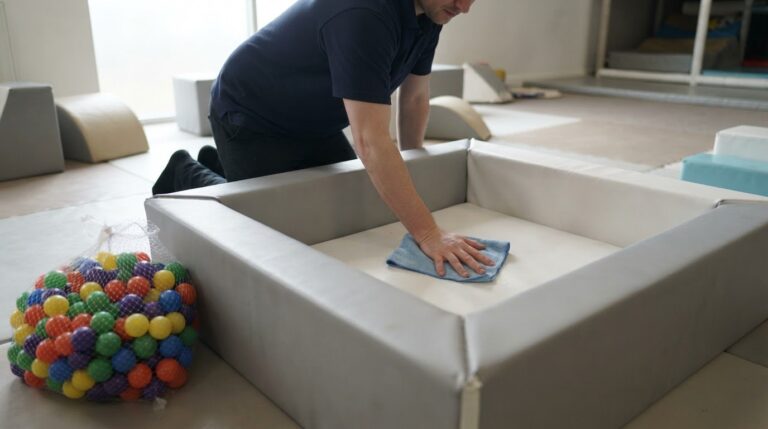
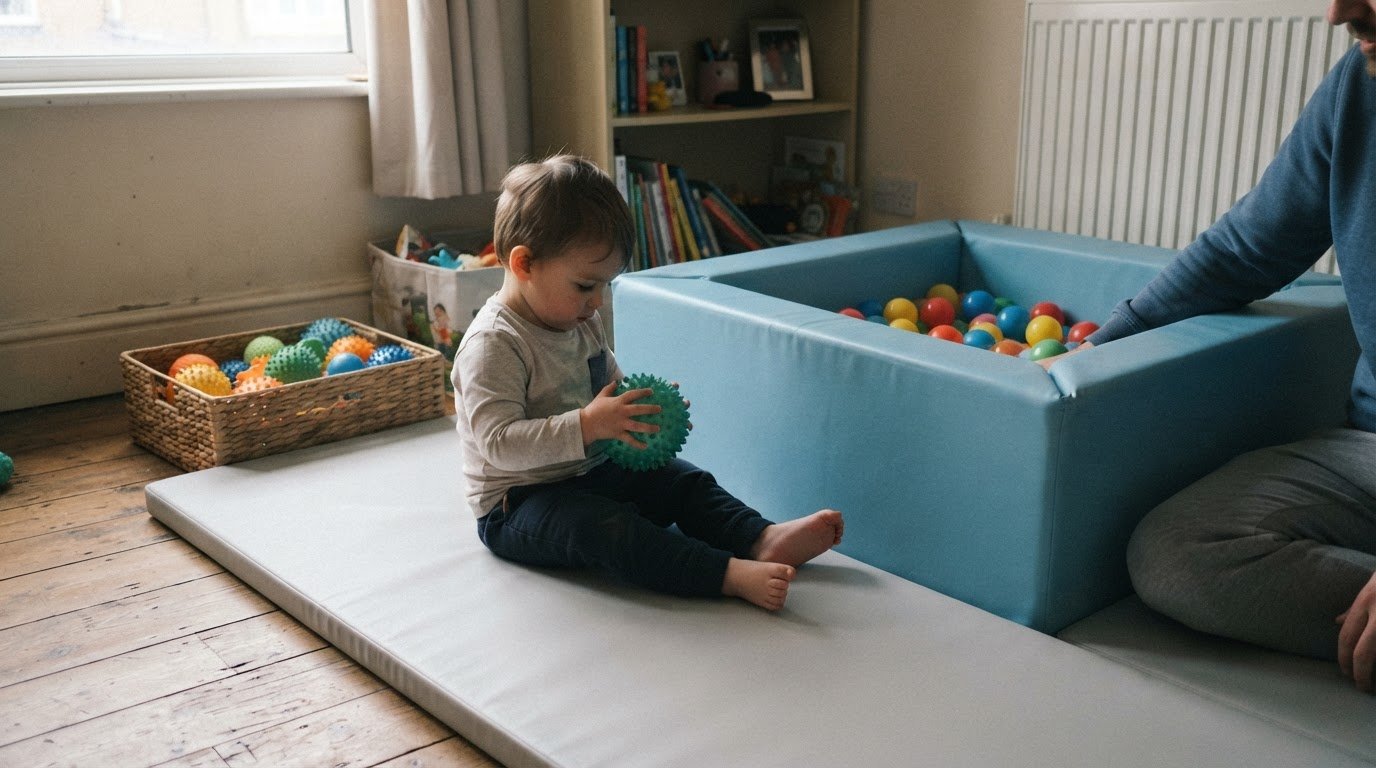
If your set-up also needs a soft play area, Soft Play Mats and Soft Play Ball Pits are options to consider. Choose additions that suit your available room and your family’s plans, rather than filling the space all at once.
Contact SoftplayToys4kids to discuss Sensory Toys for your home set-up.
Shape the next step around your child
Let your child’s response guide what happens next. After a play session, notice which activities they choose again, which they move away from and what they ask to try. Those observations can help you decide whether to keep the set-up as it is or make one thoughtful change. Designing a sensory gym at home is an ongoing family project, not a room that has to be finished all at once.
When you’re ready to add something, choose an item that fits the way your family uses the space. SoftplayToys4kids offers Sensory Toys, Soft Play Mats and Soft Play Ball Pits for children’s play environments. These options can help you build on your existing set-up at a pace that feels manageable.
Contact SoftplayToys4kids for ideas about your home play space. Start with what your child enjoys, and let the next bright moment of play take shape from there.
Frequently Asked Questions
Why an Autism Gym at Home?
A home sensory gym gives a child a familiar place for movement and play within everyday family life. It can make it easier to offer activities that reflect their interests at home. Treat it as a play space, not a guaranteed therapy or replacement for individual professional support. Keep activities responsive to your child, and adjust the set-up if it becomes distracting or uncomfortable.
What equipment is useful in a sensory gym at home?
Useful equipment depends on the activities your child enjoys and the space available. A soft play mat can support floor-based play, while sensory toys offer hands-on exploration. A ball pit can provide a distinct play activity if the room can accommodate it. Start with equipment that has a clear purpose in your planned routine, rather than choosing items simply because they’re commonly found in gyms.
How much space is needed for a home sensory gym?
There’s no single room size that suits every home sensory gym. The space needs to fit the chosen equipment and leave room for your child to use it without crowding furniture or household items. A clear corner can suit a compact set-up; a larger room may allow separate play areas. Measure the usable floor area and account for each item’s recommended clearance before arranging the space.
How to choose between sensory gym equipment for small and large spaces?
In a small space, prioritise equipment that supports more than one planned activity and can be stored away after play. In a larger room, you can place different activities farther apart, such as active play at one end and quieter exploration at the other. With either layout, choose according to your child’s interests and keep a clear route through the room.
How to create a sensory gym at home on a budget?
Build the set-up in stages instead of buying everything at once. Start by identifying the activities your child returns to most, then choose one useful item to support those interests. Make the most of a shared room by setting up a defined play area only when needed. Add equipment later if it fills a practical gap in the routine, rather than purchasing items that may go unused.