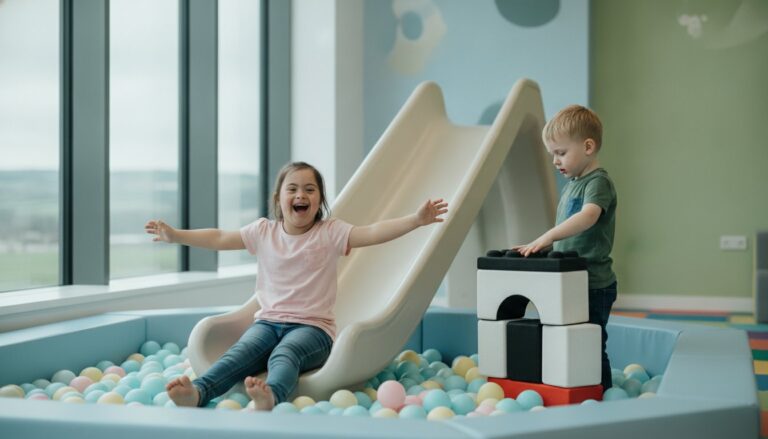
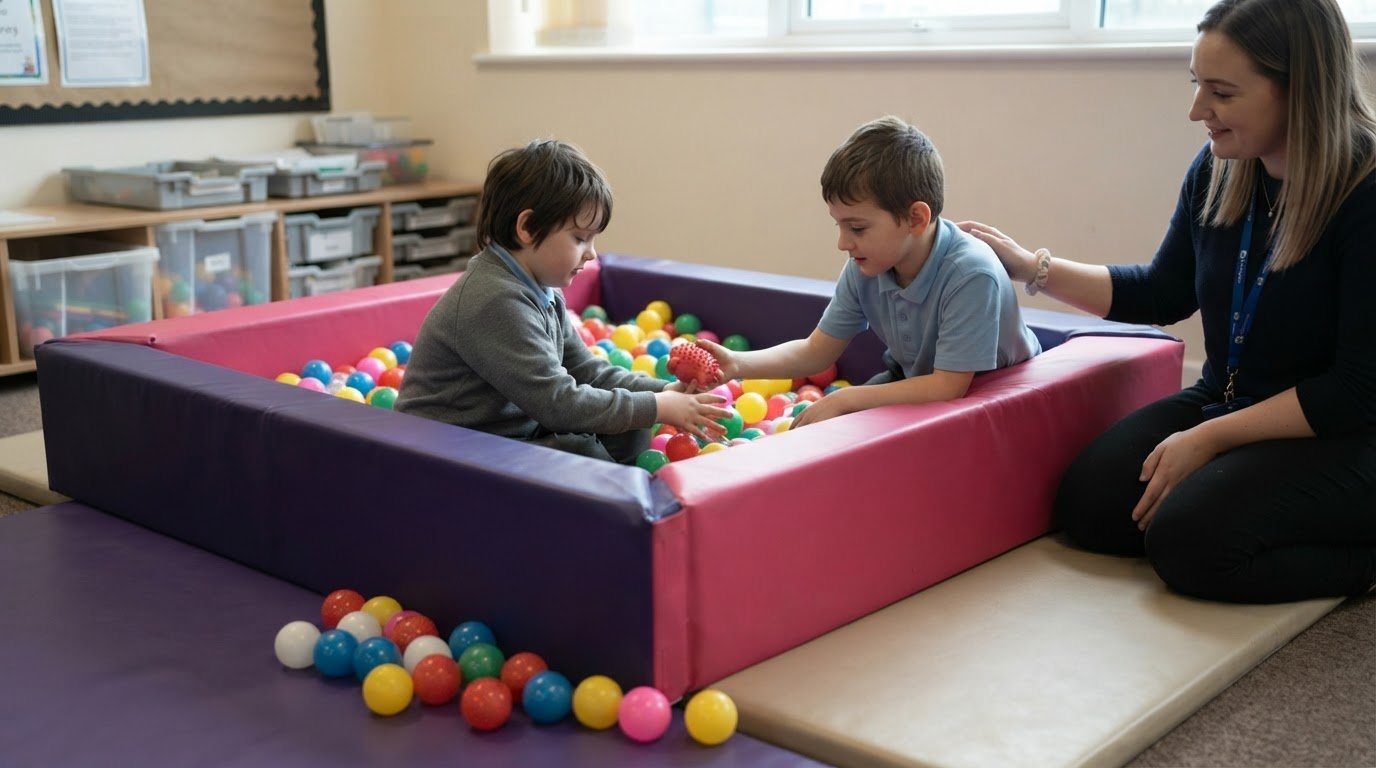
SEN soft play equipment for schools, from portable to sensory
A large, fixed play area is not always the most practical starting point. Schools can buy SEN soft play equipment for schools from specialist UK suppliers, then compare options against the space available and the activities they want to support.
It makes sense to look beyond one type of set-up: portable pieces can be easier to move between activities, while sensory features or role-play spaces offer different ways to explore and play. The right choice depends on how the equipment will fit into your school’s indoor space and everyday routines.
This guide explains where schools can buy soft play and what to consider when comparing portable, role-play, sensory and indoor options for accessibility. You’ll also find practical ways to think about tactile features, calming spaces and movement, so you can choose equipment that feels welcoming and useful for your pupils.
Key Takeaways
- Match portable, role-play and sensory options to the activities and needs your school wants to support.
- When choosing where to buy, consider how the equipment can help pupils with different abilities play alongside one another.
- Use tactile features, calming spaces and accessible layouts to make play areas more comfortable for a range of sensory preferences.
- Compare indoor options by how they fit your available space and routines, then explore soft play mats, ball pits and sensory toys for your setting.
Portable, role-play, sensory and soft-play ranges
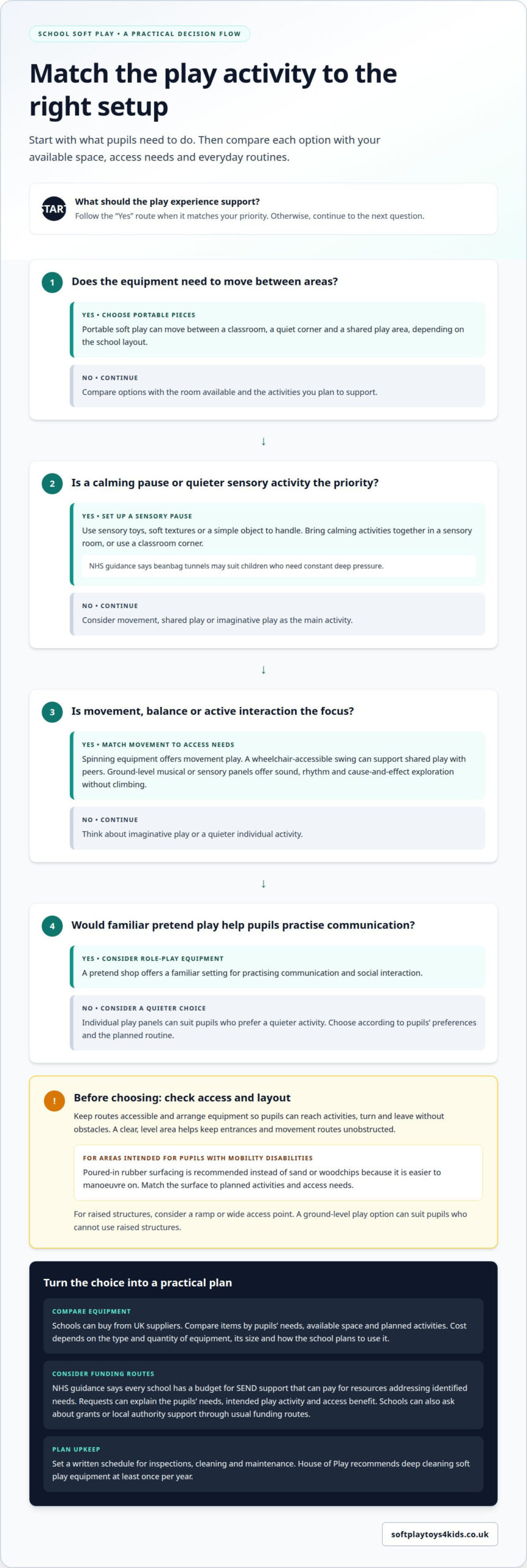
Begin with the activity the school wants to make easier. Portable soft-play pieces can be moved between a classroom, a quiet corner and a shared play area, depending on the school’s layout. Role-play equipment offers another route: a pretend shop, for example, gives pupils a familiar setting for practising communication and social interaction. Sensory toys and soft-play pieces serve different purposes, so consider how each fits the planned activity.
Sensory play can offer a calming pause before learning or another school activity. Sensory equipment can provide opportunities for attention, communication, social interaction, concentration, balance and movement. Choose activities around pupils’ preferences: one child may seek movement, while another prefers a quieter tactile experience. Soft textures, gentle movement or a simple object to handle give pupils different ways to engage.
A sensory room can bring calming activities together in a dedicated space; sensory play can also take place in a classroom corner. The choice depends on the room available and how staff plan to use it during the school day. For example, a school might set aside a quieter area for sensory toys, then use portable soft play for a separate movement activity. Keep each space’s purpose clear so pupils know where to play or pause.
Musical and sensory panels introduce sound, rhythm and cause-and-effect play. A pupil can touch a panel, hear a sound and explore which action produced it. These features can encourage shared attention and interaction, offering a different experience from soft textures or movement-based play. In an outdoor setting, ground-level panels make exploration accessible without climbing.
Compare options by matching each one to a need, activity and location. Note whether the priority is calming, movement, imaginative play or interaction with peers. NHS guidance says beanbag tunnels may suit children who need constant deep pressure. This example shows why it is important to consider the intended use when choosing a sensory experience. A clear purpose helps staff select equipment for the planned play routine.
Where to Buy Soft Play for Schools?
Schools can buy soft play from UK suppliers, choosing equipment to suit pupils’ needs, available space and planned activities. For upkeep, set a written schedule for inspections, cleaning and maintenance; House of Play recommends deep cleaning soft play equipment at least once per year.
Inclusive Play Equipment
Inclusive play means giving children with different abilities ways to join the same play experience. Wheelchair-accessible swings can support shared play, while spinning equipment offers movement and shared experiences with peers. In early years settings, plan spaces where children can participate alongside one another, rather than separating play by ability.
Social inclusion also depends on offering a choice of activities. Individual play panels can suit pupils who prefer a quieter activity, while a shared swing can invite interaction. Record equipment condition and schedule checks around its use. Clean it according to the school’s routine, treating the annual deep clean as a separate task.
Choosing Equipment for Needs and Age Groups
Start with the activity pupils need to access, then consider mobility, balance, coordination and sensory preferences. A ground-level play option may suit pupils who cannot use raised structures; a wheelchair-accessible swing offers another way to join shared play. For younger children in early years, choose activities suited to their size and abilities, and keep routes between play areas accessible.
Consider how pupils will use each item, alone or with peers, and whether the layout allows staff to support participation. Spinning equipment offers movement play, while a ground-level panel provides an alternative. These examples help schools compare options by accessibility, play style and the needs of the children using the space.
Costs and Funding Options
How much does SEN soft play equipment cost in the UK? Cost depends on the type and quantity of equipment, its size and how the school plans to use it. Compare options by matching each item to an identified need and the space available, rather than treating all equipment as interchangeable.
For funding, NHS guidance says every school has a budget for SEND support that can pay for resources addressing identified needs. Frame a request around pupils’ needs, the play activity and the access benefit. Ask about grants or local authority support through the school’s usual funding routes, and explain the equipment’s intended use in the proposal.
Tactile features, calming visuals and accessibility
Plan the play area around how pupils move, explore and take breaks. Tactile features, such as textured surfaces or touch panels, give children different ways to engage. Define a calm area alongside more active equipment so pupils can choose between quieter and movement-based play. Accessible playgrounds can help children develop coordination, mobility, balance and proprioception.
Adapted equipment should offer more than one way to participate. A ground-level sensory panel, for example, provides an activity without climbing, while a ramp or wide access point can make a raised structure easier to approach. Position activities so pupils using mobility aids can reach them, turn and leave without other equipment blocking the way.
Surfacing affects how children move through a playground. For areas intended for pupils with mobility disabilities, poured-in rubber surfacing is recommended instead of sand or woodchips because it is easier to manoeuvre on. Match the surface to planned activities and access needs, and consider how it connects with entrances and play equipment.
For a school soft play area, the room size depends on the equipment chosen, the floor space available and the routes pupils need. Use a clear, level area, plan accessible routes and arrange equipment so it does not obstruct entrances or movement. Installation requirements depend on the equipment and whether the space is indoors or outdoors.
Calming visuals can help distinguish a quiet zone. For example, use a simple colour scheme and avoid busy visual features beside a retreat area. Keep tactile or interactive features within easy reach, with space around each activity. Outside, ramps and wide access points can connect play areas; inside, an uncluttered route between soft play and a calm corner supports independent movement.
Indoor soft play equipment for children and nurseries
Indoor soft play can give schools and nurseries a usable play space when outdoor play is not practical. First decide what the area should support: movement, quiet exploration, imaginative play or a change of pace during the learning day. A shared hall might suit group activities, while a classroom corner can provide a smaller, familiar play zone.
Plan the layout around the room’s everyday use. Keep entrances and routes between activities clear, and avoid placing equipment where it blocks access to cupboards or teaching areas. In a nursery room, for example, define the play area so children can move between it and other activities without crossing a busy teaching space.
Think about how staff will use the space throughout the day. A school might schedule active play before table-based learning, then use a quieter area for pupils who need a break from busy surroundings. Make each zone’s purpose easy to understand through its position and the activities offered there.
Choose a layout that works for the children who will use it, not just the available floor area. Consider how pupils enter, move around and leave the space, including those using mobility aids. A simple route between the entrance and each activity can make an indoor area easier to navigate. Keep sightlines open so staff can supervise play and support learning.
Indoor play also needs to fit practical routines. Decide where equipment will be stored when the room returns to classroom or nursery use, and how staff will keep the area tidy between activities. In a shared hall, a flexible layout may let the space serve play and educational purposes at different times.
Planning an indoor play area? Explore indoor soft-play options to help shape a space around your school’s activities and available room.
SoftplayToys4kids
SoftplayToys4kids offers school-friendly soft play options to help you match equipment with pupils’ play and sensory needs. Its range includes Soft Play Ball Pits, Soft Play Mats, Sensory Toys and Lamp Post Protectors. For a school comparing indoor choices, sensory toys can complement a planned activity, while mats or ball pits can help shape a dedicated play space.
Start with the area’s purpose, the pupils who will use it and the room available. Then consider which equipment best supports your setting’s planned activities and layout. This practical approach connects your choice to the needs identified by your school, without treating every play space alike.
To discuss soft play options for your school, contact SoftplayToys4kids.
Turn your plan into a welcoming play space
Next, turn your school’s priorities into a clear plan. Decide which activities matter most, who will use the space and how it should work within the school day. A simple outline can help staff discuss the area’s purpose and make choices connected to pupils’ needs, rather than selecting equipment without a shared goal.
Think about how children will move between play, learning and quieter moments. Consider where the play space sits, how pupils enter and leave, and how staff will incorporate it into everyday routines. These details help make SEN soft play equipment for schools part of a considered environment, rather than a collection of separate items.
When you’re ready to discuss suitable options for your setting, contact SoftplayToys4kids. A thoughtful plan is a positive first step towards creating a play space where pupils can explore and feel welcome.
Frequently Asked Questions
How Does Soft Play Develop Children?
Soft play gives children opportunities to practise movement, problem-solving and interaction through play. Stepping between foam shapes, for example, involves balance and coordination, while building a pretend scene can encourage imagination and communication. Taking turns with a peer gives children a simple way to practise shared play. Choose equipment that invites pupils to explore at a pace that suits them.
What types of soft play equipment are suitable for SEN schools?
Suitable options depend on pupils’ needs and how the school plans to use its space. Soft Play Mats can define a comfortable, floor-level activity area, while Sensory Toys offer objects for hands-on exploration. Ball pits provide a different play experience, and column padding or safety pads can be considered where protective padding is needed. Give each item a clear purpose within the school’s planned activities.
How does soft play support sensory, physical and social development for pupils with SEN?
Soft play can bring sensory exploration, movement and interaction into one activity. A pupil might choose a textured toy, move across a play area, then join a peer in a shared game. These experiences create opportunities to explore touch, practise coordination and communicate during play. Staff can offer choices, such as independent exploration or a paired activity, to support different ways of participating.
Which UK suppliers specialise in SEN soft play equipment for schools?
SoftplayToys4kids is a UK-based manufacturer and supplier of soft play equipment, serving schools, nurseries and playgroups as well as families. Its offerings include Soft Play Ball Pits, Soft Play Mats and Sensory Toys. Schools can consider these categories when planning indoor play or sensory activities, then select options that suit the space and pupils’ intended use. The company is based in West Yorkshire.
What UK safety standards and regulations apply to school soft play equipment?
SoftplayToys4kids states that its products comply with “BS Safety Standards”. That wording does not identify a particular standard or regulation, so avoid assuming it covers every school setting or product use. For procurement, connect the equipment’s intended use with the school’s own safety procedures and risk assessment. Consider where pupils will play, how the area will be supervised and how equipment condition will be managed.
What are the risks of soft play for pupils with SEN, and how can schools manage them?
Possible risks include pupils colliding, using equipment in an unintended way or finding a busy play area overwhelming. Schools can address these concerns by planning clear routes, matching activities to pupils’ abilities and setting expectations before play begins. Staff presence can help children share equipment and respond when someone needs a break. Review the layout as routines or pupil needs change, keeping access and comfort in mind.