
Best Sensory Toys for Babies and Toddlers
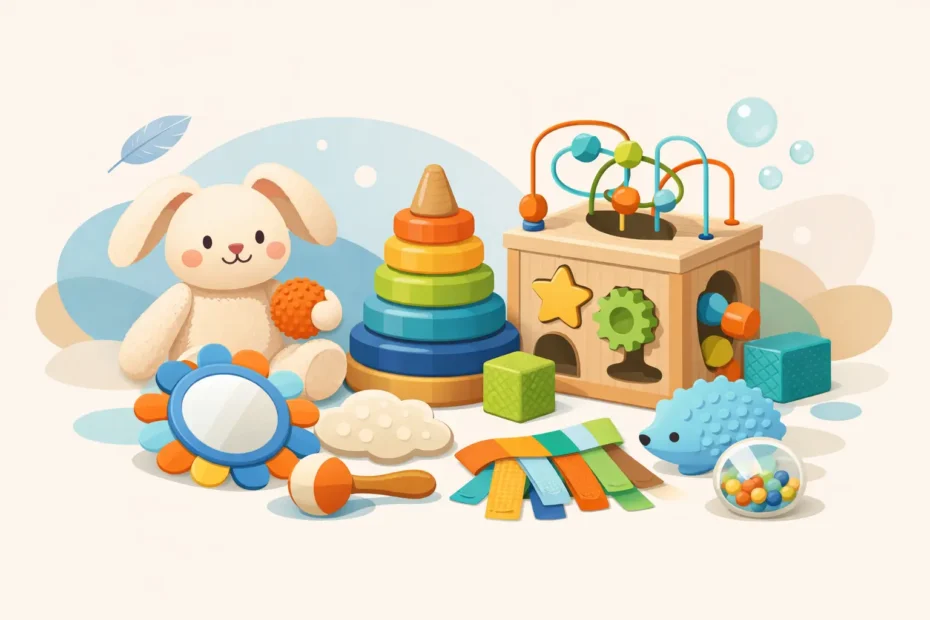
A baby who keeps patting a crinkly mat, squeezing a soft block or crawling straight for a ball pit is not just playing for the sake of it. They are working hard. Good sensory toys for babies toddlers help build body awareness, grip strength, balance, curiosity and confidence, all through repeated play that feels natural and enjoyable.
That matters at home, and it matters just as much in nurseries, preschools and commercial soft play settings. The right products do more than keep little ones busy for ten minutes. They encourage movement, problem-solving and calm exploration, while giving parents and childcare settings something equally important – safe, durable equipment that stands up to daily use and is worth the money.
Why sensory play matters so much early on
Babies and toddlers learn through their senses before they can explain anything with words. They reach, mouth, pat, climb, push, crawl and throw because that is how they figure out what objects do, how their bodies move and where they are in space.
Sensory play supports this from several angles. Different textures help children notice contrast. Soft resistance and squishy shapes improve hand strength. Simple climbing pieces and balance equipment develop coordination and confidence. Bright colours and shapes hold attention, but the best sensory play does not need to be noisy or overcomplicated. In fact, too much stimulation can tip some children from engaged to overwhelmed very quickly.
This is where product choice really matters. A well-made soft play setup gives babies and toddlers controlled sensory input. They can crawl over foam wedges, sit on mats, reach for lightweight shapes and explore at their own pace. That is very different from a toy that flashes, sings and demands attention every few seconds.
What to look for in sensory toys for babies toddlers
Safety comes first, and there is no getting around it. For babies and younger toddlers, sensory products need to be age-appropriate, wipe-clean and made from child-safe materials. Soft edges, stable construction and easy supervision are all part of the buying decision.
After safety, think about how the toy will actually be used. A sensory product is only good value if children return to it again and again. Soft play mats, foam shapes, low balance pieces and padded activity sets usually offer better long-term value than novelty toys that do one thing and then lose their appeal.
It also pays to think about space. A parent in a semi-detached home may need a compact setup that can live in a lounge or spare room. A nursery or playgroup may need something larger, tougher and easier to reconfigure through the day. One size does not suit every setting, which is why bespoke options and practical product ranges matter.
The best types of sensory toys for babies and toddlers
Soft play mats and padded floor areas
For babies, the floor is where most learning starts. A padded mat creates a safe, comfortable base for tummy time, rolling, sitting and crawling. It turns ordinary play into a sensory experience because children can move freely without the hard stop of wood, tile or laminate beneath them.
For toddlers, mats still matter. They provide safer landings as children start climbing, stepping and testing their balance. In homes, they help create a dedicated play zone. In nurseries and soft play environments, they form the base for a more complete sensory and physical play area.
Foam shapes and activity blocks
Simple foam cubes, wedges, steps and cylinders are some of the strongest choices for early sensory development. They are soft enough for safe exploration, but structured enough to encourage climbing, lifting, stacking and crawling.
This kind of equipment gives children variety without confusion. One day a wedge is a crawl-over hill. The next it is a seat, a bridge or part of a small obstacle course. That flexibility is exactly what makes foam soft play pieces such smart value for both homes and commercial settings.
Ball pits and soft balls
Ball pits are popular for a reason. They offer colour, movement, touch and full-body engagement all at once. Babies can sit and feel the light pressure of balls around them. Toddlers can dig, throw, sort and move through them. It is sensory play that encourages active movement rather than passive watching.
The trade-off is space and supervision. A ball pit needs enough room around it, and younger children should always be watched closely. But where there is space for one, it can become one of the most-used sensory features in any play setup.
Balance beams and low-level climbing pieces
Not every sensory toy has to involve texture panels or fiddly gadgets. Movement itself is sensory input. Low balance beams, step-and-slide units and small climbing pieces help toddlers judge distances, shift weight and improve coordination.
This kind of active sensory play is especially useful for children who need physical input to stay engaged. It is also valuable in nurseries and early years settings where children benefit from structured movement without needing a full-scale play frame.
Educational foam sets
Educational foam activity sets combine colour, shape recognition and physical movement in one product category. Children can sort, stack, step, crawl and build. That means they are not only getting sensory feedback from touch and movement, but also learning through repetition and play.
For buyers who want products to work harder, these sets make sense. They support both free play and guided activities, which is a real advantage in settings where equipment needs to justify its footprint and cost.
Choosing for home use versus nursery or commercial use
Parents often buy with one eye on price and the other on practicality, and that is completely fair. At home, the best sensory toys are usually the ones that are easy to clean, quick to set up and versatile enough to grow with the child. A mat, a few foam shapes and a compact ball pit can go a long way without taking over the whole house.
Commercial and institutional buyers have a different brief. Durability matters more, quantities are larger and layouts have to work for multiple children at once. Equipment may need custom sizing, specific colour choices or additional safety padding depending on the room and the age group using it.
That is why buying from a supplier that understands both domestic and commercial soft play has a clear advantage. You are not forced into a one-size-fits-all package, and you are less likely to overpay for products that are not suited to the space.
Common mistakes buyers make
One mistake is assuming more features always means more value. For babies and toddlers, simple often works better. A soft shape that can be climbed on, leaned against and carried gives more real play value than a loud gadget that only performs one trick.
Another is ignoring maintenance. Sensory toys need to cope with spills, dribble, shoes, heavy use and regular wiping down. If a product looks good on day one but is awkward to clean or starts wearing quickly, it stops being a bargain.
The other big issue is buying too small for the setting. A home setup can be compact, but if a nursery room needs to keep several toddlers engaged safely, undersized equipment becomes frustrating fast. It can create queues, limit movement and reduce the overall play value.
Why quality and manufacturing matter
There is a huge difference between sensory products that are made to a price and those made to perform. For parents, quality means confidence that the equipment is safe, supportive and worth having in the home. For nurseries, schools and play centres, it also means fewer replacements, better hygiene standards and a more professional play environment.
UK manufacturing is a real advantage here. Better control over materials, sizing and finish gives buyers more confidence, especially when custom options are needed. It also means support is more direct if you need guidance on choosing the right pieces for a room, a budget or a particular age group.
For that reason, many buyers now look beyond generic toy-shop items and focus on proper soft play equipment instead. Softplay Toys4Kids is one example of a supplier built around that need, with handmade UK production, practical sensory-focused products and pricing designed to stay competitive without cutting corners on child safety.
Making sensory play work day after day
The best setups are not always the biggest. They are the ones children want to return to. A well-planned play space with mats, soft shapes, low climbing elements and tactile play opportunities can keep babies and toddlers engaged far better than a pile of random toys.
If you are buying for home, start with pieces that give flexibility and safe movement. If you are buying for a nursery or commercial venue, think in terms of flow, durability and how children will use the area together. In both cases, choose products that are safe, easy to maintain and built for real use rather than quick visual appeal.
When sensory play is done properly, it supports development without feeling forced. That is the sweet spot parents want, and it is exactly what professional settings should be aiming for too.
Leave a Reply