
How to Choose Nursery Safety Mats
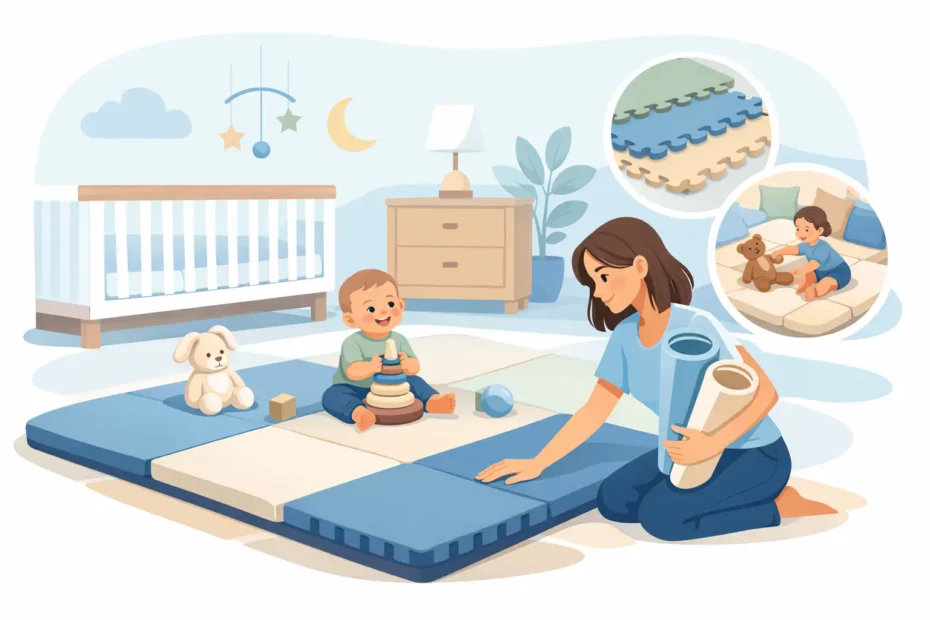
A mat can look thick, bright and child-friendly online, then arrive and fail where it matters most – grip, wipe-clean performance, edge finish or long-term shape retention. That is why knowing how to choose nursery safety mats properly saves money, avoids frustration and, more importantly, helps create a safer play environment for babies, toddlers and preschool children.
For parents, the right mat turns a hard floor into a practical play zone without taking over the room. For nurseries, preschools and playgroups, the stakes are even higher. Mats need to handle regular use, frequent cleaning and energetic movement every single day. Cheap options often look similar at first glance, but the difference shows quickly in wear, hygiene and safety.
How to choose nursery safety mats for your space
The first thing to get right is where the mat will be used. A home play corner, a baby room in a nursery and a high-traffic soft play area do not need exactly the same product. If you are covering a calm space for tummy time or early crawling, comfort and a soft feel under little hands and knees may be the priority. If children will be climbing, stepping down from low apparatus or moving quickly between activities, impact protection and stability matter far more.
Room size is just as important. Buyers often focus on colour and price before checking dimensions properly. In practice, a mat that is slightly too small can create exposed hard-floor edges, awkward gaps or dead space around equipment. A mat that is too large can bunch at the sides, lift at corners or interfere with doors and furniture. Measure the exact usable floor area and think about how children actually move through it, not just how the room looks empty.
This is also where bespoke sizing can make a real difference. Standard sizes suit many homes, but commercial settings often need cleaner, more professional coverage. If you are fitting around walls, posts, storage units or soft play frames, custom-made mats can give you better protection and a neater finish.
Start with safety performance, not just softness
Many buyers assume softer always means safer. It does not. A nursery safety mat needs to absorb impact, stay in place and support active play without becoming unstable. If a mat is too soft, children can lose footing more easily. If it is too thin, it may offer very little protection on harder floors.
The best choice depends on age group and activity. Babies and young toddlers usually need a comfortable, supportive surface for crawling, sitting and supervised play. Older toddlers and preschool children, especially in busy nursery settings, may need denser mats that cope better with repeated movement and more energetic use.
Look closely at thickness, but do not treat thickness as the only measure of quality. Foam density, outer material and construction all affect performance. A well-made mat with the right internal support can outperform a thicker but poorly built alternative. This is one area where buying on price alone can backfire.
You should also check whether the surface helps reduce slipping. A nursery mat must not slide around on the floor or become dangerously slick after cleaning. If children are stepping from one piece of equipment to another, that secure footing matters every day.
Think about edges and joins
Edges are often overlooked, yet they are one of the first places problems appear. Weak seams, lifting corners and poorly finished joins can create trip points and shorten the life of the mat. In a nursery or shared play setting, those weak points get tested constantly.
If you need multiple mats together, pay attention to how they sit side by side. Gaps between mats can spoil the safety benefit you were trying to create in the first place. A tidy layout with proper coverage is safer, easier to clean and more professional in appearance.
Hygiene matters as much as cushioning
Any parent who has wiped up spilled juice, biscuit crumbs or the aftermath of a nappy leak already knows this. In nurseries and playgroups, multiply that by a full week of daily use. Safety mats must be easy to clean properly, not just easy to wipe once for appearances.
A good nursery mat should have a durable, wipe-clean surface that stands up to routine cleaning without cracking, peeling or absorbing mess. Textured finishes can be helpful for grip, but if they trap dirt in every groove, they become a maintenance headache. There is always a balance between traction and easy care.
For commercial buyers, cleaning routines should shape the buying decision from the start. If staff have to sanitise mats regularly, the material must tolerate that level of use. A low-cost mat that deteriorates after repeated cleaning is not good value. It is simply a replacement cost waiting to happen.
Ask how the mat will look after six months
This is a smarter question than asking how it looks on day one. A nursery safety mat should keep its shape, surface finish and support over time. Flattening foam, split covers and fading colours can make a play area look tired and reduce confidence in the setup.
That is why build quality matters. Handmade UK manufacturing, reliable stitching and solid material choices usually pay off in long-term value, especially for nurseries, schools and soft play businesses buying for daily use rather than occasional play.
Choose the right material for the job
Not every mat material performs the same way, and not every nursery needs the same finish. Foam-filled mats with a strong PVC-style outer are often a practical choice because they combine cushioning with wipe-clean convenience. They suit busy environments where spills, shoes and constant movement are part of the routine.
For domestic use, some families prefer a softer, more lounge-friendly look. That can work well in quieter spaces, but if the surface is harder to keep clean or less durable under regular use, it may not be the best choice long term. A mat in a child’s play area has a job to do. Looks matter, but function comes first.
If equipment will sit on top of the mat, think about compression too. Some mats feel comfortable at first but dip too much under weight, which affects balance and creates uneven support around soft play shapes or step units. In active settings, firmer support often gives better all-round performance.
Colour, layout and age suitability still count
Safety comes first, but visual design is not a throwaway detail. Bright, clean colours can help make a play space more inviting and child-friendly. In nurseries and classrooms, colour can also be used to define activity zones, quiet corners or baby-only areas.
That said, practical buyers know pale shades may show marks faster, while very dark colours can make a small room feel heavy. It depends on the space, the age group and how often the mats will be cleaned. Commercial settings usually benefit from colours that stay looking smart under regular use.
Age suitability should guide the final choice. Babies need supportive surfaces for floor-based development. Toddlers need room to move, sit, roll and explore. Older preschool children need mats that can cope with faster, more physical activity. One product rarely covers every need equally well, so match the mat to the children using it most often.
How to choose nursery safety mats without overpaying
Price matters. Any honest supplier should admit that. Parents want value, and nurseries have budgets to protect. But the cheapest mat is only a bargain if it does the job safely and lasts. If it needs replacing quickly, is awkward to clean or performs poorly in a busy room, it was not good value at all.
A better way to judge cost is to look at what you are actually getting for the money: material quality, thickness, finish, durability, sizing options and whether the product suits your exact environment. A mat made in the UK with dependable construction and custom options may cost more upfront than an entry-level import, but it can work out cheaper over time.
This is especially true for larger nursery and commercial orders. When you are fitting multiple rooms or building a full soft play area, consistency matters. You want mats that match, fit properly and stand up to the same level of use. That is where working with a specialist supplier gives you a real advantage over buying generic floor mats and hoping for the best.
Questions worth asking before you buy
Before placing an order, be clear on four points: who will use the mats, how often they will be used, how they will be cleaned and whether the size is genuinely right for the room. Those answers will narrow the field quickly.
You should also ask whether the mats are made for domestic occasional use or regular commercial wear. The difference is not marketing fluff. It affects lifespan, performance and appearance. If you run a nursery, preschool or playgroup, buy for the level of use you actually expect, not the level you wish the budget covered.
For buyers who want strong value without cutting corners, Softplay Toys4Kids is built around that balance – practical safety, British manufacturing, custom options and pricing designed to compete hard.
The best nursery safety mat is not the flashiest or the cheapest. It is the one that fits the space properly, protects children confidently, cleans up easily and still looks ready for action after months of real use. Buy with that in mind and you will make a better choice the first time.
Leave a Reply