
Preventing Mould in Ball Pits: The Ultimate Guide to Hygienic Play
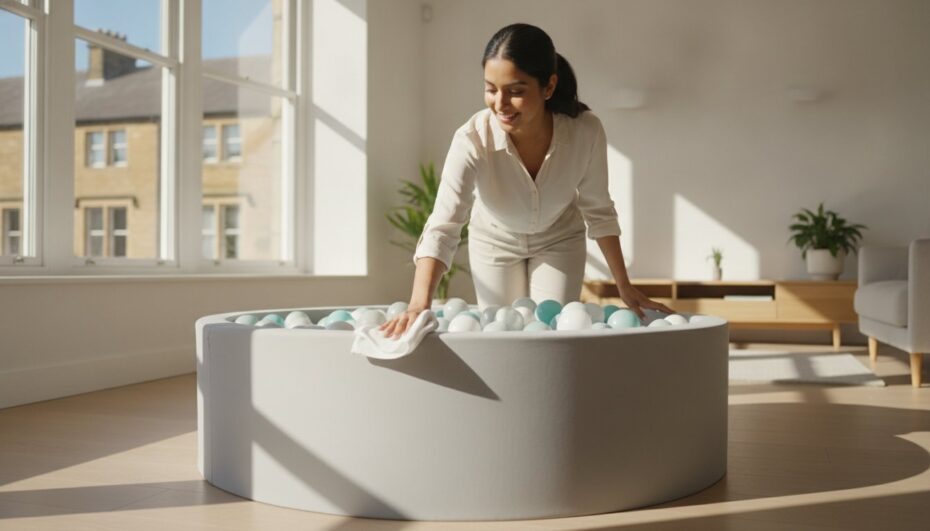
Could your child’s favorite play corner be hiding a fuzzy, health-threatening secret? It’s a worry that many parents face, especially when you’ve invested in premium soft play equipment for your home or business. We know that preventing mould in ball pits is about much more than a quick surface wipe; it’s about protecting little lungs from respiratory issues and ensuring your high-quality gear lasts for years of laughter. You want a play space that smells as fresh as the day it arrived, but the daunting task of cleaning thousands of balls can often feel like a full-time job.
We agree that nothing should compromise a child’s safety or your peace of mind. While studies from North Georgia State University have identified various bacterial species in unmaintained play areas, staying ahead of the grime is easier than you think. This guide promises to give you the expert-approved strategies needed to keep your ball pool pristine and safe. We will preview a professional maintenance schedule, explain why choosing mould-resistant materials is a game-changer, and show you how to implement specific environmental controls. Get ready to transform your cleaning routine into a simple, effective system that guarantees a hygienic environment for every jump and dive.
Key Takeaways
- Learn how to identify the specific environmental triggers, like trapped condensation and poor ventilation, that allow fungi to thrive in soft play areas.
- Discover why choosing British-manufactured equipment with commercial-grade PVC covers provides a superior moisture barrier compared to budget imports.
- Master a simple four-step weekly maintenance routine for preventing mould in ball pits, ensuring your play space stays fresh and hygienic.
- Find out how to optimize your playroom’s humidity and placement to stop dampness from ever reaching your foam equipment.
- Gain the confidence to recognize when mould has penetrated the foam core and why upgrading to high-quality gear is the only safe solution.
Why Mould Grows in Ball Pits and the Health Risks Involved
What is actually happening inside your child’s play area when the lights go out? While ball pits are designed for pure joy, they can accidentally become a breeding ground for fungi if the right conditions are met. Mould is a type of fungus that thrives in warm, damp, and unventilated spaces. It doesn’t need much to start growing; just a little bit of moisture and a place to sit. When children play, they naturally produce sweat. Combine that with accidental juice spills or simple condensation from temperature changes in the room, and you have the perfect recipe for trouble. Preventing mould in ball pits starts with understanding this biological process.
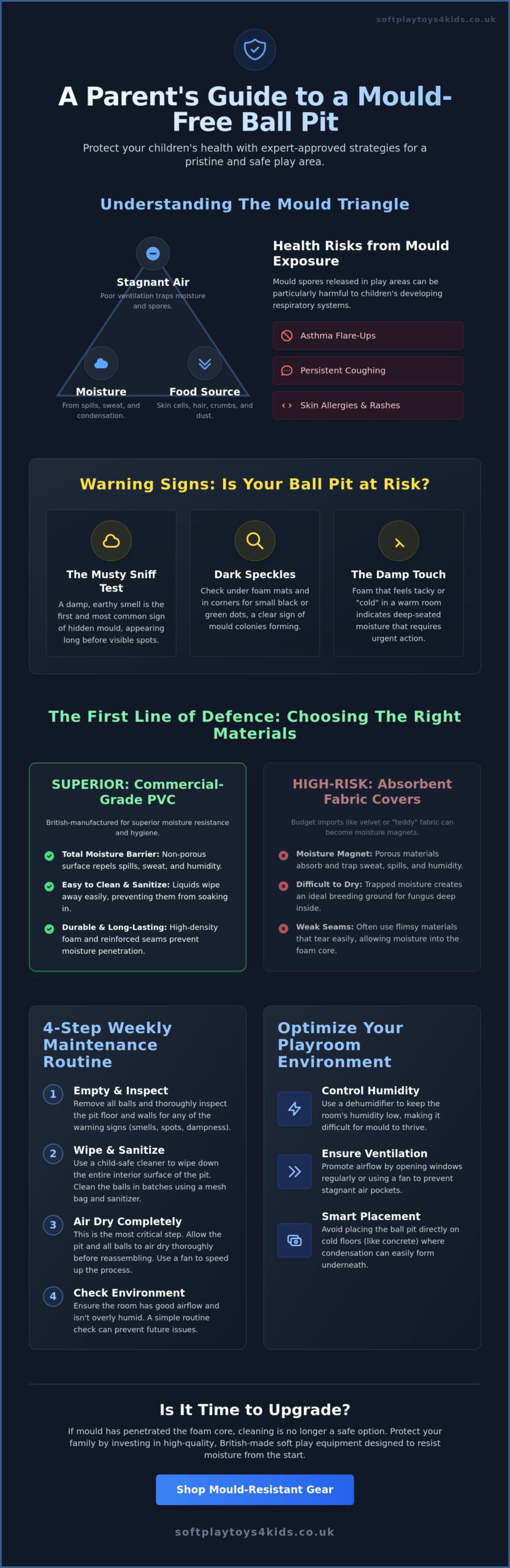
Fungal growth relies on what experts call the “Mould Triangle.” This consists of three specific elements: moisture, an organic food source, and stagnant air. In a ball pit, the “food” is often microscopic, such as shed skin cells, hair, or tiny crumbs from a mid-play snack. When these settle between the balls and the foam base, the lack of airflow allows spores to take root. This isn’t just an aesthetic issue or a cleaning chore. Exposure to these spores can lead to serious health effects of indoor mold, particularly for developing respiratory systems. Children are more susceptible to triggers that cause asthma flare-ups, persistent coughing, and skin allergies. Protecting their health means being proactive about hygiene.
The Anatomy of a Damp Ball Pit
How does a dry-looking pit become a damp disaster? It usually begins at the very bottom. Moisture tends to migrate downward, settling at the base where the balls meet the foam floor. If your ball pool sits on a cold floor, condensation forms underneath the PVC or fabric cover. This moisture then seeps into the foam core through seams or microscopic tears. Hidden mould is far more dangerous than surface spots because it stays out of sight while releasing spores into the air every time a child jumps in. Spilled liquids only accelerate this, soaking into fabric covers and providing a long-lasting reservoir for fungal colonies to expand.
Signs Your Play Equipment Needs Immediate Attention
You don’t always need to see a green patch to know there’s a problem. Be vigilant and look for these warning signs:
- The Musty Sniff Test: Do you notice a damp, earthy smell when you get close to the pit? This scent often appears long before you see any physical discolouration.
- Dark Speckles: Regularly lift your foam mats and check the underside. Small black or green dots are a clear sign that moisture is trapped and colonies are forming.
- The Damp Touch: If the foam feels slightly tacky or “cold” to the touch even in a warm room, it likely indicates deep-seated moisture issues that require urgent action.
Don’t wait for a visible breakout to take action. Keeping your equipment dry is the ultimate secret to preventing mould in ball pits and ensuring your investment stays in top-tier condition for years of safe play.
Choosing Mould-Resistant Materials: The SoftplayToys4kids Difference
Why settle for flimsy imports when you can have British-made quality? Our UK-manufactured soft play equipment is specifically engineered to handle the unique humidity levels found in British homes and commercial spaces. Unlike mass-produced pits from overseas that use thin-walled plastic or absorbent fabrics, our handmade craftsmanship in West Yorkshire focuses on durability. We believe that preventing mould in ball pits starts at the manufacturing stage. By using premium, heavy-duty materials, we create a product that resists dampness from the inside out.
PVC vs. Fabric Covers: Which is Better for Hygiene?
While some brands push velvet or “teddy” fabric covers for their soft feel, these materials are often moisture magnets. They trap sweat and spills, creating a damp environment that encourages fungal growth. We use commercial-grade PVC because it’s the gold standard for hygiene. It acts as a total moisture barrier, ensuring that liquids stay on the surface where they can be easily wiped away. Following EPA tips for moisture control is much easier when your equipment doesn’t absorb the humidity in the air. Our reinforced seams add an extra layer of protection, preventing any leaks from reaching the internal foam core.
The Role of High-Density Foam in Longevity
The secret to a long-lasting play area lies in the foam core. Many cheap alternatives use low-density, open-cell foam which acts like a giant sponge. Once moisture gets in, it’s nearly impossible to get out. Our ball pits are constructed with high-density, fire-retardant foam designed for rigorous commercial use. This denser structure resists moisture absorption and maintains its shape over time. Structural integrity is vital; it prevents the sagging and pooling where dampness usually gathers. We take pride in using materials that meet the latest safety trends, including non-toxic, BPA-free plastics that are safe for every child.
When you choose quality, you’re choosing peace of mind for your family. Our materials are selected to meet strict safety standards, ensuring your investment remains a highlight of the playroom for years. If you’re ready to upgrade your play space with equipment that prioritises hygiene, you can browse our full range of soft play ball pits today. Investing in the right materials is the most effective strategy for preventing mould in ball pits and keeping your children’s play environment safe and fresh.
The Ultimate Ball Pit Cleaning Protocol for Mould Prevention
Want to know the absolute secret to a forever-fresh play area? It starts with a simple, non-negotiable rule: no food or drink allowed. Mould is a living organism that needs “food” to grow, and even the tiniest biscuit crumb or a splash of juice provides a feast for spores. By eliminating organic matter from the start, you’re already halfway to victory in preventing mould in ball pits. We believe that a proactive approach is always better than a reactive one, especially when your child’s health is on the line.
To keep your equipment in showroom condition, we recommend a 4-step weekly maintenance routine. This consistent schedule ensures that small issues don’t turn into expensive problems. Follow this checklist to stay ahead of the grime:
- Inspect: Look for any signs of moisture or spills at the base of the pit.
- Wipe: Use a damp cloth with a mild cleaner on all PVC surfaces.
- Ventilate: Open windows or use a fan to ensure air circulates around the foam.
- Rotate: Move the balls around to prevent moisture from settling in one spot.
When it comes to cleaning agents, skip the harsh chemicals. While some suggest a heavy bleach solution, this can actually degrade the protective coating on your PVC over time, making it more porous and susceptible to future growth. Instead, choose pH-neutral, child-safe disinfectants. These are gentle on the materials but tough on bacteria. Always perform the “Dry-Touch” test before putting the balls back; every component must feel 100% dry to the bone. If it feels even slightly cool or tacky, the moisture is still there.
How to Wash Ball Pit Balls Without Trapping Water
Cleaning thousands of balls doesn’t have to be a nightmare. The most efficient method is using a large net bag to machine wash them on a cold, no-spin cycle. Never use heat, as this can warp the plastic. Once washed, spread the balls out in a single layer on a clean sheet or towel. Air-drying in a single layer is critical because it prevents internal condensation from forming inside the balls. Typically, ball pit balls require 4-6 hours in a well-ventilated room to ensure all internal condensation has evaporated.
Maintaining a moisture-free environment is just as critical in the manufacturing of health products as it is in your playroom. To ensure supplements and dry foods remain fresh and safe from dampness, many UK businesses explore Sachet Packing with Simplepack Ltd as a professional solution for secure, airtight containment.
Deep Cleaning the Foam and Covers
Once a month, it’s time for a deeper dive. Carefully remove the covers by easing the zips; never yank them, as this can tear the foam core. If you use a steam cleaner for sanitization, keep the nozzle moving quickly. You want the steam to kill surface bacteria without “soaking” the internal foam, which would create the very dampness we’re trying to avoid. Don’t forget the floor underneath the ball pool. Dust and damp often collect in the dark space between the play mat and the floor, creating a hidden bridge for mould to climb into your equipment.
Environmental Control: Keeping Your Playroom Dry
Is the air in your home secretly ruining your play equipment? Even if you follow a strict cleaning routine, the environment in your playroom is the ultimate deciding factor in preventing mould in ball pits. British winters are notoriously damp, and without proper control, your indoor air can quickly become a breeding ground for fungi. We recommend maintaining an ideal indoor humidity level between 30% and 50%. If your hygrometer starts creeping above this range, you’re essentially inviting spores to settle into your soft play gear. Investing in a dehumidifier for the playroom during the colder months is a smart, professional move that protects both your child’s health and your financial investment.
Where you place your ball pool matters more than you might think. Never shove it directly against a cold external wall. This creates a temperature clash that leads to hidden condensation forming behind the foam panels. Instead, pull the pit a few inches away from the wall to allow for natural ventilation. You can also improve airflow at the base by using high-quality soft play mats. These provide a vital protective barrier between the cold floor and the equipment, helping to regulate temperature and stop moisture from pooling underneath.
Ventilation Hacks for Small Playrooms
Space might be tight, but your airflow shouldn’t be. Try the “Air-Out” technique once a week. Simply remove a portion of the balls and spread them out, allowing the base of the pit to breathe for a few hours. If the pit sits in a corner where air gets stagnant, use a small oscillating fan to keep things moving. Always keep an eye on your windows. If you notice heavy condensation on the glass, it’s a major warning sign that your soft play equipment is at risk of absorbing that excess moisture.
Safe Storage Practices for Commercial and Home Use
Are you planning to store your equipment for a while? Garages and garden sheds are absolute death traps for foam play equipment. These spaces lack temperature consistency, causing the PVC covers to “sweat” as the weather changes. This trapped moisture has nowhere to go but into the foam core. If you must pack things away, always store balls in breathable mesh bags rather than airtight plastic bins. Mesh allows for constant air circulation, ensuring any residual moisture evaporates rather than turning into a fuzzy green surprise the next time you open the bag.
Take control of your play environment today and ensure your equipment stays in peak condition. Browse our full range of durable ball pits and discover why our British-made quality is the trusted choice for hygienic play.
When to Replace Your Ball Pit and How to Upgrade
How do you know when it’s time to say goodbye to your old play equipment? While we’ve spent this guide focusing on the best techniques for preventing mould in ball pits, there is a point of no return where cleaning simply isn’t enough. If you peel back the cover and see dark staining or “speckling” directly on the foam core, you’re dealing with deep mould. Because foam is a porous material, those spores have moved beyond the surface and are now living inside the structure. At this stage, the equipment becomes a health hazard that can release allergens every time a child jumps in. It’s no longer about a quick wipe; it’s about safety.
Don’t fall into the trap of trying to “bleach out” deep stains or painting over discoloured foam. These are temporary and unsafe fixes that only mask a biological problem. Bleach can actually weaken the foam’s integrity, and paint won’t stop spores from traveling through the material. The lifecycle of a high-quality soft play ball pit is significantly longer than a budget alternative because of the density of the materials used. While a cheap import might succumb to dampness in a single season, a professionally manufactured pit is designed to resist moisture for years. When deep-seated mould takes hold, the only responsible action is to replace the unit with a superior, mould-resistant model.
Upgrading to Commercial-Grade Durability
If you’re ready to move on from a damp-damaged pit, consider the benefits of commercial-grade durability. We use heavy-duty PVC that is far thicker and more resilient than standard retail versions. This material doesn’t just feel better; it provides a much stronger moisture barrier that makes preventing mould in ball pits a breeze. Our designs also include custom options that allow for better cleaning access, such as strategically placed industrial zips and removable bases. Buying direct from our Bradford factory means you’re getting British craftsmanship that meets the highest safety standards, including the latest regulations on non-toxic, BPA-free materials.
Ready for a Fresh Start?
We believe that every child deserves a play space that is as safe as it is fun. Prevention is always cheaper than replacement, but when a fresh start is needed, choosing the right manufacturer makes all the difference. Our latest range of ball pits is engineered with the “fresh-play” philosophy in mind, using materials that actively resist the damp British climate. You don’t have to settle for equipment that smells musty or looks tired. Invest in quality that lasts and enjoy the peace of mind that comes with a truly hygienic play environment. Explore our handmade UK ball pits today!
Secure Your Child’s Healthy Play Environment
You now have the expert tools to ensure your play area stays pristine and inviting for years. From mastering the “Dry-Touch” test to optimizing your playroom’s humidity, preventing mould in ball pits is a straightforward process when you have the right strategy. It’s all about combining elite British manufacturing with consistent, simple maintenance. We agree that your child’s safety is the top priority, and a proactive approach to hygiene is the best way to protect their health and your investment.
At SoftplayToys4kids, we are proud to be a local manufacturer. Our equipment is handmade in our West Yorkshire factory and is already a trusted choice for UK schools and nurseries. We ensure every piece is fully compliant with strict UK safety standards, so you never have to worry about the quality of your child’s soft play gear. We invite you to compare our craftsmanship with budget imports; our durability speaks for itself.
Don’t let a damp environment ruin the fun. Browse our range of durable, easy-clean ball pits handmade in the UK and discover why we are the superior choice for safety and performance. Your child’s next big adventure is just a click away, and we’re here to make sure it’s a fresh and joyful one!
Frequently Asked Questions
Can I use a steam cleaner on my ball pit to kill mould?
Yes, you can use a steam cleaner, but you must be extremely careful not to saturate the foam core. High heat effectively kills surface spores on PVC covers. However, holding the steam in one spot for too long forces moisture into the internal structure. Always follow up with a thorough “Dry-Touch” test to ensure no dampness remains trapped inside after you’ve finished sanitising the area.
How often should I realistically deep clean the ball pit balls?
For a standard home setup, you should deep clean the balls at least once a month. If the pit sees heavy daily use or you have multiple children, a fortnightly schedule is even better. Commercial venues usually require a full sanitisation every week to meet safety audits. Regular rotation and inspection help in preventing mould in ball pits by stopping moisture from settling in one spot for too long.
Is it safe to keep a ball pit in a conservatory or basement?
What is the best non-toxic cleaner for a baby ball pit?
The best non-toxic choice is an EPA-registered, pH-neutral disinfectant designed specifically for children’s toys. These cleaners kill 99.9% of pathogens without using harsh bleach that can degrade PVC over time. You can also use a simple mixture of mild dish soap and warm water for daily wipes. Always ensure the surface is completely dry before children jump back in to play to keep the environment fresh.
Why does my ball pit have a weird smell even though it looks clean?
A persistent musty smell usually indicates “hidden” mould colonies growing within the foam core or underneath the base. Even if the balls look sparkling, moisture might be trapped in the seams or on the floor mat. This scent is a warning sign that bacteria are thriving in stagnant air. It’s time to strip the covers and perform a deep inspection of the internal foam to find the source.
Can mould grow inside the individual plastic balls?
Mould can absolutely grow inside individual plastic balls if they have small air holes and are submerged in water. If moisture gets inside during washing and isn’t dried out, it creates a dark, damp cave for fungi. This is why air-drying in a single layer for at least 4-6 hours is vital. If you hear water sloshing inside a ball, it’s best to discard it immediately for safety.
How do I get rid of black mould spots on the PVC cover?
Surface spots on PVC covers can usually be removed with a soft brush and a child-safe antifungal wash. Gently scrub the area to lift the spores without puncturing the material. If the black spots are actually on the underside of the PVC, the mould has likely reached the foam core. In that case, surface cleaning is only a temporary fix for a much deeper and more serious hygiene issue.
Does sunshine help prevent or kill mould in play equipment?
Natural sunlight is a fantastic ally because UV rays act as a natural disinfectant against mould and bacteria. Taking your balls and covers outside on a dry, sunny day can help kill lingering spores and freshen the materials. Just be careful not to leave PVC equipment in direct, scorching sun for hours on end. Excessive heat can cause the material to fade or lose its structural integrity over time.
Leave a Reply