
Soft Play Safety Mats: Home & Commercial Guide (2026)
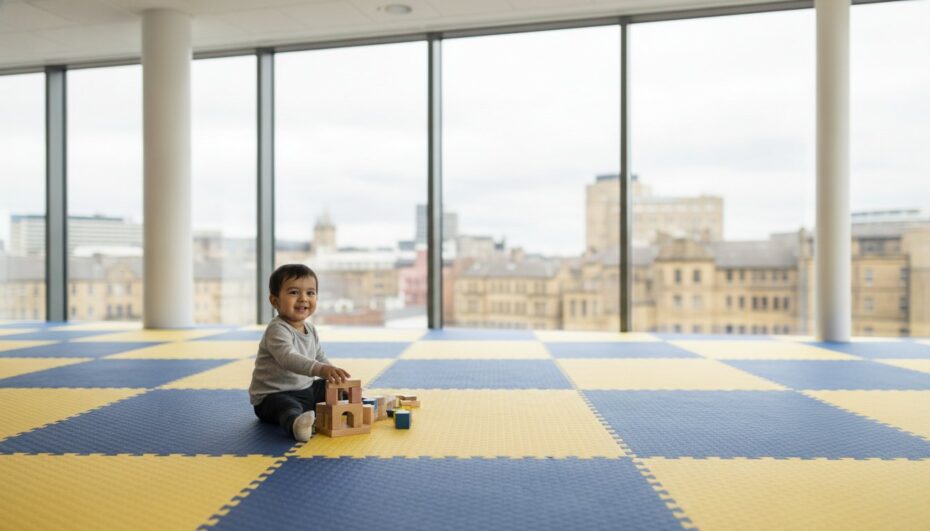
Did you know that a mat feeling “soft” to the touch might actually be the most dangerous thing in your playroom? It’s a scary thought for any parent or nursery manager, but true protection isn’t just about cushioning; it’s about the science of impact absorption. When you’re investing in soft play safety mats, you aren’t just buying colorful flooring. You’re buying total peace of mind. We understand that gut-wrenching fear of a child slipping on a low-quality import or suffering a head injury because the foam was too thin to absorb a tumble.
You want a space that’s vibrant and energetic, but you also need equipment that’s hygienic and built to survive years of heavy use. We’re going to reveal exactly how to choose the perfect mats for your home or commercial venue. You’ll learn the density secrets that prevent “bottoming out,” why our West Yorkshire handmade quality beats cheap alternatives, and how to navigate UK safety standards like BS EN 1177. We’ll explore everything from heavy-duty 610gsm PVC covers to the premium foam grades that keep their shape after thousands of jumps. Let’s ensure your play area remains a safe, durable haven for every little adventurer.
Key Takeaways
- Learn why “softness” isn’t enough and how understanding the Critical Fall Height ensures your soft play safety mats provide genuine protection against head injuries.
- Discover the industry secret behind 28/150 grade foam and 610gsm heavy-duty PVC, and why these materials prevent mats from “bottoming out” during heavy use.
- Compare interlocking tiles, folding mats, and professional crash pads to find the perfect balance between impact absorption and storage convenience for your space.
- Master the essentials of UK safety compliance, including the BS EN 1177 standard, and learn a simple daily checklist to keep your play area nursery-safe and hygienic.
- See why choosing handmade mats from our Bradford factory offers superior durability and craftsmanship compared to mass-produced imports.
What Are Soft Play Safety Mats and Why Are They Crucial?
Soft play safety mats are the literal foundation of a secure play environment. They aren’t just “padding”; they’re precision-engineered safety equipment designed to absorb the energy of a fall. At their core, professional mats feature high-density foam (typically 28/150 grade) encased in a 610gsm heavy-duty PVC cover. This combination ensures the mat is firm enough to support a child’s weight without sagging, yet resilient enough to cushion a sudden impact. Unlike a standard household rug or a thin yoga mat, these professional surfaces are built to handle the repetitive, high-energy movements of active toddlers.
One of the most important concepts for any parent or provider to understand is the “Critical Fall Height.” This technical term describes the maximum height a child can fall from onto a specific mat without sustaining a critical head injury. While basic gymnastics and wrestling mats provide some level of protection, professional soft play safety mats are specifically tested to ensure they meet rigorous safety thresholds. If a mat is too thin or the foam is too soft, it “bottoms out,” meaning the child hits the hard floor beneath. Our mats prevent this, providing a consistent safety buffer that protects young joints and heads.
Beyond the physical protection, these mats create a psychological “Yes” space. This is a dedicated area where the usual “be careful” and “don’t climb that” warnings can be relaxed. When children feel the floor is a safe place to land, they develop motor skills and confidence much faster. You’ll worry less, and they’ll explore more.
The Different Roles of Safety Mats
- Floor protection: High-quality PVC covers prevent scuffs, scratches, and liquid damage to expensive hardwood or laminate flooring.
- Impact absorption: The foam core dissipates energy during jumps and tumbles, protecting a child’s developing skeletal system.
- Defined play zones: Vibrant mats help children understand the boundaries of the play area, keeping the “wild” energy contained to a safe, cushioned spot.
Who Needs Professional Grade Mats?
Professional mats are essential for anyone responsible for a child’s safety during active play. Home users building a dedicated playroom need durability that typical retail foam tiles can’t match. In commercial settings like nurseries and pre-schools, these mats are a legal and insurance necessity to meet UK safety standards. They are also vital in inclusive environments that use sensory toys and specialized padding to support children with various developmental needs. Whether it’s a small corner in a lounge or a massive indoor play centre, the quality of your flooring determines the quality of the play.
Understanding Foam Density and PVC Durability
Why do some mats feel like a cloud but fail to protect your child during a real tumble? The answer lies in the science of foam density. Many parents mistakenly believe that “thicker is better,” but thickness is a lie if the density is low. When a mat “bottoms out,” the foam compresses so much that the child essentially hits the hard floor underneath. This is where professional soft play safety mats differ from cheap imports. We use 28/150 grade foam as our baseline. This means the foam has a density of 28kg per cubic meter and a hardness of 150 Newtons. It provides that vital “push back” that keeps children safe during high-energy play.
The durability of your equipment also depends on the skin that protects the foam. Our Bradford-made mats are wrapped in 610gsm heavy-duty PVC. This isn’t just a cover; it’s a reinforced shield. While competitors often use thinner materials that tear at the seams, 610gsm PVC is designed for the rigours of commercial play centres. It’s puncture-resistant and stands up to shoes, zips, and constant friction. To ensure your facility or home playroom meets the highest standards of care, all materials must align with the Health and Safety at Work etc. Act 1974, which mandates that equipment provided for public use must be safe and well-maintained.
Safety also extends to what you can’t see. In the UK, fire retardancy is a non-negotiable requirement for both domestic and commercial settings. Our mats use foam and PVC that meet BS 5852 standards, ensuring they are flame retardant. We also ensure our covers are non-toxic and phthalate-free, because we know little ones often explore their world with more than just their hands. If you are ready to upgrade your space, you can explore our range of handmade UK mats designed for maximum longevity.
Foam Grades Explained
- Low density: Often found in budget retail tiles. These are fine for light crawling but dangerous for jumping as they offer zero impact resistance.
- High density (28/150): The gold standard for activity mats. It stays firm, supports weight, and recovers its shape instantly.
- Open-cell foam: We prefer high-quality open-cell safety foam because it provides superior air flow and “bounce back” compared to cheaper, brittle alternatives.
The Benefits of PVC Covers
Hygiene is paramount in any play area. Our medical-grade PVC surfaces are completely wipe-clean, making it easy to sanitise the area after spills or daily use. This material is naturally anti-fungal and anti-bacterial, preventing the growth of germs in the foam core. Because our mats are handmade in West Yorkshire, we use superior twin-needle stitching. This ensures the tear resistance of the 610gsm PVC isn’t compromised by weak seams, giving you a product that lasts for years rather than months.
Choosing the Right Mat: Tiles vs. Folding Mats vs. Crash Pads
Selecting the right foundation for your play area is about more than just picking a colour. It’s about matching the surface to the specific risks of the activity. While budget friendly options exist everywhere, professional soft play safety mats are designed for longevity and high impact. If you are setting up a climbing frame or a slide, a standard floor tile simply won’t cut it. You need to consider how the children will use the space and where the highest risks of a fall exist. In our Bradford factory, we see the difference that the right mat makes for both home playrooms and bustling commercial centres.
When the play gets vertical, you need crash mats. These are thicker landing pads specifically designed for high energy zones like the bottom of a slide or under a climbing frame. These mats feature the 28/150 grade foam we discussed earlier, providing a deep cushion that absorbs the force of a jump or an accidental tumble. Don’t forget the hidden dangers in a room either. Structural elements like pillars can be a major hazard. We manufacture custom column padding and lamp post protectors to wrap around these hard surfaces, turning a dangerous obstacle into a safe, cushioned part of the play environment. This holistic approach to safety is what separates a professional setup from a basic one.
When to Use Interlocking Foam Tiles
Interlocking EVA tiles are a popular starting point for many parents. They are best for tummy time, light crawling, and basic floor protection in low traffic areas. However, they have significant limitations for active toddlers. During vigorous play, the “puzzle” teeth can pull apart, creating gaps and trip hazards. They also offer much thinner impact protection compared to professional PVC covered foam. From a hygiene perspective, dirt and liquids often get trapped in the numerous seams, making them harder to keep truly sanitised over time.
The Advantage of One-Piece and Folding PVC Mats
For gymnastics, tumbling, and professional play centres, one-piece or folding PVC mats are the superior choice. Because they don’t have interlocking seams, there is nothing for a child to trip over. You get consistent foam density across the entire surface. Folding mats are particularly brilliant for UK homes where space is at a premium. You can set up a professional grade play zone in seconds and tuck it away behind a sofa when you’re done. For more inspiration on how to arrange your space, check out The Ultimate Guide to Buying Soft Play Equipment.
Safety Standards and Maintenance in the UK
Investing in high-quality soft play safety mats is only the first step toward a secure environment. In the UK, the gold standard for playground surfacing is BS EN 1177. This regulation specifically governs impact-attenuating surfacing, ensuring that the materials used can cushion a fall effectively. While many retailers use vague language about “safety,” we pride ourselves on manufacturing mats that meet these rigorous requirements. If you’re managing a high-traffic nursery or a busy home playroom, your soft play safety mats are your first line of defence against injuries. Compliance isn’t just a suggestion; it’s a legal obligation to protect the children in your care.
Your safety equipment is only as good as its current condition. Even the most durable 610gsm PVC can suffer from neglect if not checked regularly. Small issues like a loose seam or a slight tear can quickly escalate into a major hazard. A quick five-minute walkthrough each morning can prevent accidents and extend the life of your investment by years. We’ve seen many facilities lose money because they didn’t have a simple maintenance protocol in place. Don’t take risks with your equipment.
Standard Safety Checklist for Play Areas
- Check for gaps: Ensure all mats are flush against walls or tightly joined to each other. Even a small gap can trap a tiny foot.
- Verify non-slip backing: Mats should not slide on smooth laminate or hardwood floors. If they move, they aren’t safe.
- Inspect for exposed foam: Tears in the PVC cover must be repaired immediately. Exposed foam can be picked at by children and becomes a choking hazard.
Cleaning and Sanitization
Hygiene is a top priority for any caregiver. Our PVC covers are designed to be wipe-clean, but you must use the right products. Use mild soapy water or specialized gym mat cleaners to keep the surface fresh. You must avoid harsh chemicals like bleach or industrial solvents. These can strip the flame-retardant coating from the material, compromising safety. Always dry the mats thoroughly before you stack or fold them. Trapped moisture is an invitation for mould and mildew, which can ruin the foam core and create an unhealthy environment.
How you store your mats matters just as much as how you clean them. Avoid stacking heavy items on top of your mats for long periods. This prevents “memory” indentation, where the foam fails to spring back to its original shape. If you use folding mats, ensure they are stored in a cool, dry place away from direct sunlight to prevent the PVC from becoming brittle. Ready to secure your play area with the best UK-made equipment? Shop our full range of safety pads and mats to find the perfect fit for your venue.
Why Choose UK-Made Safety Mats from SoftplayToys4kids?
When you choose SoftplayToys4kids, you aren’t just buying a product; you’re partnering with a proud, family-run manufacturer based right here in Bradford. Why settle for a generic stockist when you can buy directly from the source? By cutting out the middleman, we provide direct-from-the-manufacturer pricing without ever compromising on the premium materials your children deserve. We maintain total control over every stage of production, from the first cut of the foam to the final stitch of the PVC cover. This hands-on approach is exactly why we can offer a level of quality control that international importers simply can’t match.
The “handmade” difference is visible in the details. While mass-produced imports often feature weak, single-stitched seams that fail under pressure, our team in West Yorkshire uses superior twin-needle stitching for maximum tear resistance. We understand that soft play safety mats need to survive years of jumping, sliding, and heavy use. Because we are the manufacturers, we also offer bespoke customisation options. Whether you need a specific size for a tricky corner in your lounge or a full-room installation for a new nursery, we can create mats that fit your space perfectly.
Our Manufacturing Process
Our commitment to quality begins with sourcing the finest domestic materials. We use only 28/150 grade safety foam and 610gsm heavy-duty PVC, ensuring every mat provides the supportive cushion kids need for safe exploration. Our expert craftsmen and women bring decades of experience to every corner and seam. Before any item leaves our West Yorkshire base, it undergoes a rigorous quality check to ensure it meets our exacting standards. We invite you to compare our craftsmanship with any competitor; we’re confident our handmade quality stands in a league of its own.
From Home Playrooms to Commercial Centres
We’ve spent years building a reputation as a trusted partner for both parents and professionals. We recently helped a local school overhaul their activity area, providing durable indoor playground equipment that stands up to hundreds of energetic pupils every day. This same commercial-grade durability is available for your home playroom too. Supporting a local UK business doesn’t just mean better quality; it means shorter lead times and reliable after-sales support you can actually talk to. Are you ready to create the ultimate “Yes” space for your little ones? Browse our full range of soft play safety mats today and experience the Bradford-made difference for yourself.
Ready to Build Your Perfect Safe Play Space?
Shop our handmade UK soft play mats now and start building a world of safe, joyful discovery today!
Frequently Asked Questions
What is the best thickness for a soft play safety mat?
The ideal thickness depends on the activity, but 40mm to 50mm is the industry standard for general floor play and crawling. If you are placing mats under a climbing frame or at the end of a slide, you need “crash mats” that are at least 100mm thick. This extra depth ensures the high-density foam can fully absorb the energy of a fall without the child “bottoming out” against the hard floor.
Are EVA foam tiles safe for babies?
EVA foam tiles are safe for tummy time and light crawling, but they aren’t the best choice for active, growing toddlers. The interlocking “puzzle” seams can pull apart during vigorous movement, creating trip hazards or allowing dirt to collect. For a more hygienic and durable solution, professional soft play safety mats with a seamless PVC cover offer superior impact protection and are much easier to keep sanitised.
How do I clean PVC-covered soft play mats?
You should clean your mats using mild soapy water or a specialized, child-safe gym mat cleaner. Avoid using harsh chemicals like bleach or industrial solvents, as these can strip the flame-retardant coating and make the PVC brittle over time. Always ensure the mats are completely dry before you fold or stack them; this prevents mould and mildew from developing in the seams or on the foam core.
What is the difference between a play mat and a crash mat?
A play mat is designed for general floor coverage and low-impact activities, while a crash mat is specifically engineered for high-energy landings. Play mats are thinner and provide a comfortable surface for sitting or crawling. In contrast, crash mats feature much deeper, 28/150 grade safety foam designed to cushion falls from heights, such as tumbles from climbing structures or high-speed slide exits.
Can I use soft play mats outdoors?
Our mats are designed for indoor use, though they can be used outdoors temporarily on dry, flat surfaces. The 610gsm PVC cover is waterproof and easy to wipe, but you should never leave mats outside overnight or in the rain. Moisture can eventually penetrate the stitching and ruin the foam core. Additionally, direct summer sunlight can make the PVC surface uncomfortably hot for a child’s sensitive skin.
How long do professional soft play mats usually last?
A professional-grade mat typically lasts between 5 and 10 years, even in high-traffic commercial settings like nurseries. The lifespan of your soft play safety mats depends on the quality of the foam and the weight of the PVC cover. Because we manufacture our mats in Bradford using premium 28/150 foam and heavy-duty PVC, they maintain their shape and protective qualities far longer than budget retail imports.
Do your mats meet UK fire safety regulations?
Yes, all our mats and safety pads fully comply with UK fire safety regulations, specifically the BS 5852 standard. This compliance is essential for any equipment used in schools, nurseries, or public indoor play centres. We use flame-retardant foam and non-toxic, phthalate-free PVC covers so you can have total peace of mind that your play environment meets the highest national safety benchmarks.
Where can I buy custom-sized safety mats in the UK?
You can order custom-sized mats directly from our West Yorkshire factory. Because we are a UK manufacturer and not just a stockist, we can hand-craft mats to your exact specifications. Whether you need column padding for a structural pillar or a bespoke folding mat to fit a specific room dimension, we provide tailored solutions with the fast lead times and dedicated support that only a local business can offer.
Leave a Reply