
Avoiding Cheap Soft Play Imports: A Safety Guide for UK Parents & Businesses (2026)
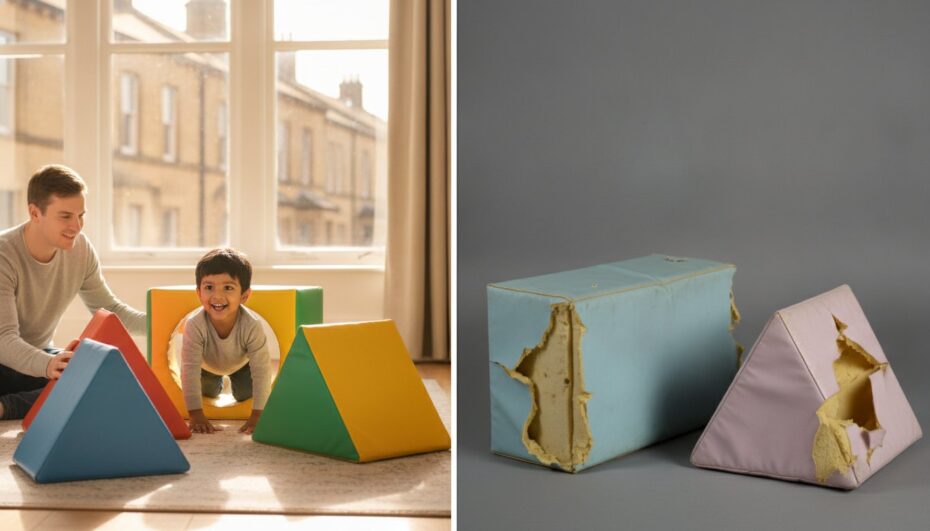
Did you know that a staggering 85% of toys purchased from major online marketplaces have been found to have serious safety issues? For UK parents and business owners, that bargain price tag on a ball pit or play mat can quickly turn into a nightmare of toxic phthalates, lead, and foam that loses its shape within a week. We know you want the absolute best for the children in your care. You’re looking for that perfect balance of vibrant, bouncy fun and the total peace of mind that comes from knowing every seam is secure and every material is non-toxic.
It’s often frustrating when confusing regulations and shifting labels make it hard to tell what’s actually safe for British play environments. This guide will show you exactly why avoiding cheap soft play imports is the smartest investment you’ll make for your family or your business. You’ll learn how to spot the red flags of low-quality manufacturing and why choosing British-made equipment is the only way to guarantee premium safety in 2026. We’ll break down the latest EN 71-1:2026 standards, explain the current rules for CE and UKCA markings, and give you the confidence to identify high-quality craftsmanship that stays bouncy and safe for years to come.
Key Takeaways
- Discover why avoiding cheap soft play imports from unregulated marketplaces is essential for protecting children from hidden chemical hazards and physical risks.
- Learn how to identify premium V24 grade foam and non-toxic PVC covers that ensure your soft play equipment remains durable and safe for long-term use.
- Get up-to-date guidance on the 2026 UKCA and CE marking transition to keep your home or commercial play area fully compliant with British safety laws.
- Master the “5 Red Flags” checklist to spot substandard sellers by investigating manufacturing locations and suspicious delivery timelines.
- Understand the lasting benefits of investing in British-made craftsmanship, from superior fire retardancy to supporting local West Yorkshire manufacturing.
The Hidden Risks of “Bargain” Soft Play: Why Cheap Imports Are a Trap
We all love finding a great deal. However, when you’re browsing online for your little one’s next play set, that suspiciously low price tag is often a warning sign. In the world of soft play, “cheap imports” usually refers to mass-produced items sold through unregulated third-party marketplaces. These products bypass the rigorous testing that British manufacturers live by every day. While saving a few pounds feels good in the moment, the long-term cost to your peace of mind and your child’s safety is far higher. Avoiding cheap soft play imports isn’t just about being fussy; it’s about ensuring your home or business isn’t a testing ground for substandard materials.
Whether you’re buying for a high-traffic commercial center or a quiet corner in your living room, the safety scrutiny must be identical. Children jump, tumble, and chew on equipment with the same enthusiasm regardless of the setting. If a product hasn’t been built to meet international toy safety standards, it simply shouldn’t be in your building. It’s a trap that many fall into, but your child deserves a play environment built on quality, not just a low price point.
The Problem with Marketplace Dropshipping
Have you ever noticed how twenty different sellers use the exact same stock photo? This is the hallmark of marketplace dropshipping. These generic listings often hide the true origin of the product, making it nearly impossible to find someone accountable if things go wrong. A common trick is stating an item is “shipped from the UK,” which many buyers mistake for being “made in the UK.” In reality, these items are often sitting in a port warehouse, having been manufactured thousands of miles away with zero oversight of the foam quality or the chemical content of the PVC covers. You lose that direct connection to the maker, and with it, the guarantee of premium safety.
Durability Issues: Why “Cheap” is Often More Expensive
Quality matters for your wallet too. Many parents discover the “pancake effect” just weeks after their purchase. This happens when low-density, industrial-grade foam is used instead of high-recovery furniture foam. The equipment loses its shape, the covers sag, and the fun stops. When you invest in British-made Ball pits, you’re getting premium craftsmanship designed to spark joy and withstand years of energetic play. Substandard imports frequently suffer from stitching failures and dangerous zip hazards that can scratch delicate skin. Beyond the safety risks, these disposable toys end up in landfills far too soon, creating a massive environmental burden. By avoiding cheap soft play imports, you’re making a conscious choice to buy once and buy right, supporting local West Yorkshire jobs while securing a durable play area that lasts.
Anatomy of Quality: Identifying Substandard Materials and Construction
How can you tell if that new play set is built to last or destined for the bin? While the outside might look bright and inviting, the real story of safety is hidden beneath the surface. When you’re avoiding cheap soft play imports, you need to look at the physical “ingredients” of the product. High-quality British manufacturing isn’t just a label; it’s a commitment to using specific materials that can withstand the high-energy demands of active toddlers and growing children. Understanding these components gives you the power to choose equipment that remains safe and supportive for years.
The Foam Test: Density vs. Squishiness
Ever sat on a soft play block only to feel the floor beneath you? That’s a classic sign of low-density foam. In the UK, the gold standard for children’s play is V24 grade foam or higher. This material is designed for “recovery,” meaning it bounces back to its original shape instantly after a child jumps on it. If the foam feels too soft or “squishy,” it won’t provide the impact protection required by The Toys (Safety) Regulations 2011. High-density V24 foam is defined as having a density of 24 kilograms per cubic metre, providing the ideal balance of support and safety for active children. Without this internal strength, equipment quickly becomes a trip hazard as it sags and deforms.
Vinyl and PVC: What You Can’t See Can Hurt
The cover is just as important as the core. Cheap imports often use thin, industrial PVC that contains high levels of phthalates and lead-based dyes. These chemicals can leach out, especially when children are in close contact with the surfaces. Have you noticed a strong, “plastic” chemical smell when opening a new toy? That’s off-gassing, and it’s a major red flag. Premium British-sourced vinyl is thick, fire-retardant, and certified non-toxic. It feels substantial to the touch and won’t tear at the slightest provocation. If you want to see the difference for yourself, you can browse our range of UK-made play mats to see how professional-grade materials look and feel.
- Reinforced Seams: Look for double-stitched, bonded seams. Mass-produced imports often rely on machine-gluing or single-thread stitching that splits under pressure.
- Hidden Zips: Quality gear features “blind” or inverted zips. This ensures the metal hardware is tucked away, preventing scratches and stopping curious fingers from reaching the foam inside.
- Tactile Quality: Run your hand over the surface. It should feel smooth and consistent, without the gritty or sticky texture often found on low-grade import plastics.
By avoiding cheap soft play imports and focusing on these construction details, you’re investing in more than just a toy. You’re creating a professional-grade play environment that prioritizes your child’s health and safety above all else. Don’t settle for “good enough” when it comes to the materials your children touch every day; demand the durability that only local, expert craftsmanship can provide.
Safety Standards Explained: UKCA, CE, and Fire Retardancy Regulations
Confused by the alphabet soup of safety labels on children’s toys? You aren’t alone. In 2026, the regulatory landscape for play equipment in Great Britain has reached a significant milestone. As of April 7, 2026, the UK government indefinitely recognizes the CE mark for toys, including soft play. This means a product doesn’t strictly need the UKCA mark if it already carries a valid CE mark. However, this overlap can sometimes be a playground for unscrupulous sellers to slap fake logos on substandard gear. When you’re avoiding cheap soft play imports, knowing how to verify these markings is your first line of defense against dangerous equipment.
Legitimate manufacturers are proud of their compliance. They don’t just put a sticker on a box; they subject their Ball pits and mats to rigorous physical and chemical testing. If a seller can’t provide a Declaration of Conformity or a testing certificate upon request, it’s a massive red flag. British-made equipment is built to the latest EN 71-1:2026 standards, ensuring that every seam, zip, and foam block is physically capable of handling the rough-and-tumble of daily play without becoming a hazard.
Understanding Fire Retardancy in Soft Play
Fire safety isn’t an area where you can afford to cut corners. There’s a vital difference between “fire resistant” and “fire retardant” materials. Resistant materials might slow a flame, but fire retardant materials are specifically treated to resist ignition and self-extinguish. Many imports fail the “match test” required by UK law, particularly under the BS 5852 standard. Untreated industrial foam is essentially solid fuel; in the event of a fire, it produces thick, toxic smoke. UK-made soft play uses combustion-modified high-resilience (CMHR) foam, giving you those precious extra minutes that save lives.
Chemical Safety and Phthalate Regulations
What your child touches is just as important as how they play. Cheap plasticised covers often contain endocrine disruptors and harmful phthalates that can interfere with a child’s development. While an amendment to fire regulations in October 2025 changed how some play mats are treated, the requirement for non-toxic surfaces remains absolute. BS EN 71-3 is the specific British standard that restricts the migration of certain chemicals and heavy metals from toy materials into a child’s body. By avoiding cheap soft play imports, you ensure your equipment has a transparent supply chain where every raw material is vetted for safety before it ever reaches your playroom.
- UKCA Easement: Businesses have until December 31, 2027, to move the UKCA mark from accompanying documents directly onto the product label.
- Standard Updates: Ensure your supplier is compliant with the new EN 71-1:2026 mechanical requirements.
- Public Spaces: For commercial setups, always check for BS EN 1176 (playground equipment safety) and BS EN 1177 (impact-attenuating surfacing).
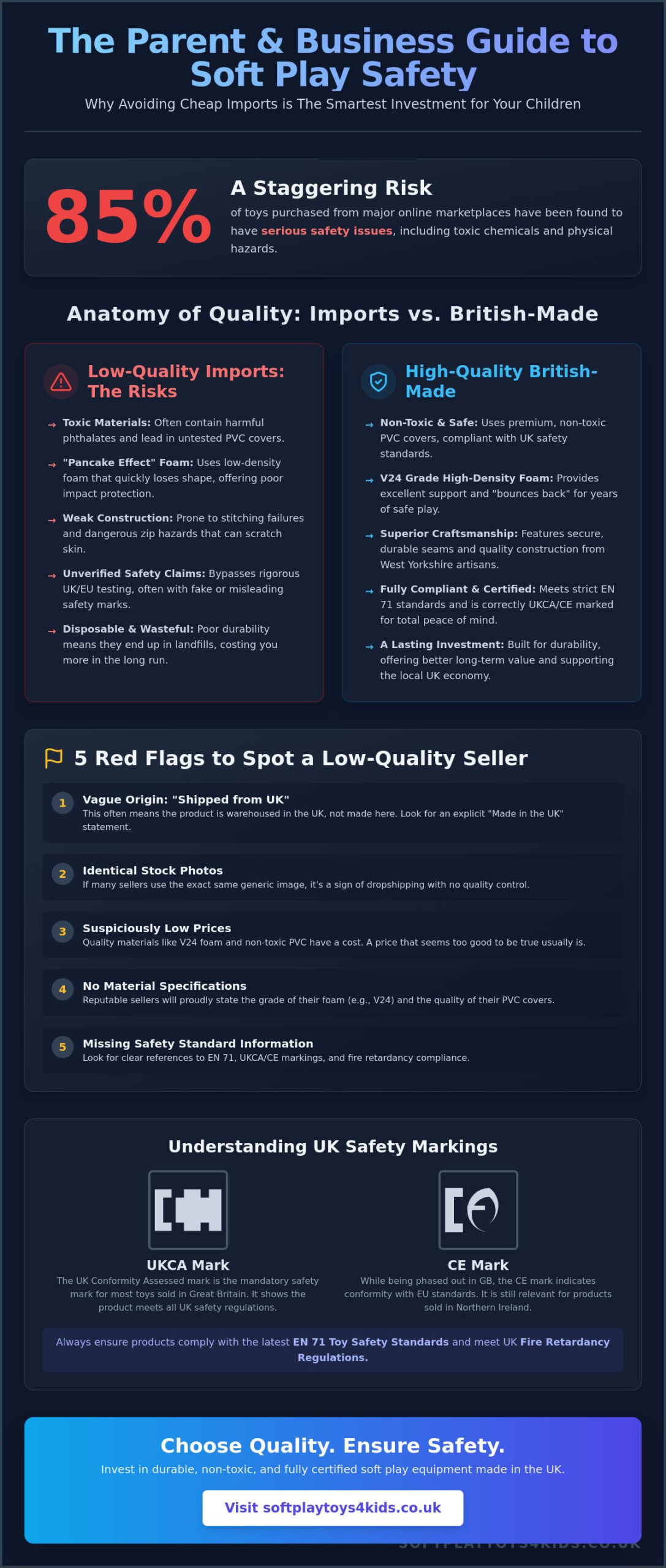
5 Red Flags: How to Spot a Low-Quality Soft Play Seller Online
Buying online can feel like a minefield. You see a bright photo and a suspiciously low price, but what actually arrives at your door is often a massive disappointment. Avoiding cheap soft play imports starts with doing your homework before you ever hit the “buy” button. Don’t wait until the box arrives to discover you’ve been misled by a clever marketing front. Legitimate British manufacturers operate with transparency, while dropshippers often hide behind generic listings and vague promises.
- The Stock Photo Trap: Have you seen the exact same child playing on the same mat across five different websites? This is a classic sign of a generic import. Legitimate makers use original photography of their own workshop and finished products.
- The 48-Hour Delivery Myth: Genuine British craftsmanship takes a little time to get right. If a seller promises 48-hour delivery on a large set, it was likely mass-produced overseas months ago and sat in a dusty warehouse. While some reputable UK brands partner with EZ3PL Ltd to manage their logistics and speed up shipping for ready-made items, true made-to-order quality is usually worth the short wait.
- The Weight Gap: High-density V24 foam is substantial and has a specific weight. If a “large” play set arrives in a box that feels light as air, it’s a sign of low-grade, porous foam that will flatten under a child’s weight within weeks.
- Unrealistic Pricing: Quality materials and compliance with 2026 safety standards have a base cost. If a price is 50% lower than a reputable UK maker, they’ve almost certainly cut corners on fire retardancy or non-toxic certifications.
Verifying the Manufacturer’s Identity
Always dig into the “About Us” page. Is there a real UK factory address listed, or just a PO box? Take a minute to check the address on Google Maps. Does it look like a bustling West Yorkshire workshop or a residential semi-detached house? A proud, local manufacturer will often share photos of their actual production team and manufacturing process. Look for a UK-registered VAT number and clear company details. We’re proud of our West Yorkshire roots and our hands-on approach, which is something a middleman simply can’t fake.
The Importance of Customisation Options
This is the ultimate “tell” when you’re trying to spot a dropshipper. Because they’re just moving boxes from overseas, they can’t change a single stitch or colour. If you ask for a bespoke size or a specific colour palette and the answer is a flat “no,” you’re dealing with a middleman. Because our soft play equipment is made to order right here in our own facility, we have total control over the design. Bespoke options indicate a team that actually knows how to use a sewing machine and understands the science of foam. It shows a level of care and expertise that mass-produced imports can never match.
Ready to see what real, local quality looks like? Explore our range of UK-manufactured ball pits and mats and give your children the premium play experience they deserve.
Choosing Quality: Why UK-Manufactured Soft Play Wins Every Time
When you choose British-made equipment, you’re buying more than just foam and vinyl. You’re investing in the total peace of mind that comes from knowing exactly where your children’s toys were made. There’s a unique confidence in knowing your Ball pits are handmade by experts who understand the importance of every single stitch. Unlike mass-produced items, these products are built with a level of care that ensures they stay bouncy, bright, and safe for years. Avoiding cheap soft play imports means you won’t be left frustrated by equipment that fails after a few months of use. You’re choosing a play environment that respects your budget by lasting longer and performing better.
Supporting local West Yorkshire jobs is a massive part of the British manufacturing story. When you buy from a local factory, you’re fueling the UK economy and helping skilled craftspeople continue their trade. It’s about community and accountability. If you ever need to add a new section to your set or replace a specific part in the future, a UK manufacturer is just a phone call away. You’ll speak to someone who actually knows how the product was made, not a generic customer service bot in a different time zone. This level of ongoing support is something you simply won’t find with overseas third-party sellers.
SoftplayToys4kids: From Our Factory to Your Door
We’re absolutely passionate about early childhood development and safe, active play. Our commitment is simple: we provide high-quality, handmade products at competitive prices because we control the entire process from start to finish. Whether you’re a parent looking for a safe home setup or a commercial client like a nursery or school, we have the expertise to deliver. We’re so confident in our craftsmanship that we invite you to compare our soft play with any competitor on the market. You’ll see the difference in the thickness of the vinyl, the density of the foam, and the precision of the seams.
Ready to Invest in Safe Play?
The smartest financial decision you can make for your play area is to buy once and buy well. Avoiding cheap soft play imports protects your investment and, most importantly, protects the children who use the equipment every day. If you have a specific vision in mind or need a custom quote for a larger project, our team is ready to help you create something spectacular. Don’t settle for “good enough” when it comes to safety and durability. Browse our full range of UK-made soft play equipment today! and see why British manufacturing remains the gold standard for families and businesses across the country.
Invest in a Safer Future for British Play
Are you ready to transform your playroom into a sanctuary of safe, bouncy fun? Protecting your children starts with avoiding cheap soft play imports that compromise on material quality and fire safety. By choosing British manufacturing, you’re ensuring that every ball pit and mat in your home or business meets the rigorous EN71 and UKCA standards required for 2026. You’ve seen the red flags; now it’s time to choose the gold standard in local craftsmanship.
Our products are proudly handmade in West Yorkshire and hand-finished for superior durability that mass-produced alternatives simply can’t match. We use only premium, non-toxic materials designed to withstand years of active play while supporting our local economy. Don’t settle for “good enough” when you can have the absolute best for your little ones. We invite you to compare our quality with anyone else in the industry; we know we’ll be your first choice for safety and joy.
Shop our handmade, UK-certified soft play equipment today!
Frequently Asked Questions
Is cheap soft play from Amazon or eBay safe for babies?
It is often very risky to buy from unregulated marketplaces. A 2024 report by the British Toy and Hobby Association found that 85% of toys from online marketplaces had serious safety issues. These products frequently bypass UK chemical testing, meaning your baby could be in contact with toxic phthalates or lead. Avoiding cheap soft play imports from these platforms is the only way to ensure the foam and covers meet strict British safety standards.
How can I tell if soft play equipment was made in the UK?
Always check for a physical factory address on the seller’s “About Us” page. Legitimate manufacturers are proud of their roots and will often show photos of their actual workshop in places like West Yorkshire. If the address is a residential house or just a PO box, they are likely a middleman. Genuine UK makers can also provide a Declaration of Conformity to prove the item was manufactured locally under British oversight.
What is the most important safety certification for soft play?
The most critical standards are EN 71-1:2026 for physical safety and BS 5852 for fire retardancy. In 2026, both the CE mark and the UKCA mark are indefinitely recognized in Great Britain. However, a label is only as good as the company behind it. Always ask for testing certificates from accredited UK facilities like The Testing Lab PLC to ensure the equipment has been rigorously checked for seam strength, entrapment hazards, and chemical migration.
Why does some soft play equipment smell of chemicals?
That strong plastic odor is usually “off-gassing” from low-grade PVC and industrial dyes. This smell often indicates high levels of volatile organic compounds or restricted phthalates used to soften cheap plastic. High-quality British vinyl is certified non-toxic and won’t have this aggressive chemical scent. If you open a package and the smell fills the room, it’s a major red flag that the materials are substandard and potentially harmful.
Can I use commercial soft play equipment at home?
You absolutely can, and it’s a fantastic investment in your child’s safety. Commercial grade equipment uses higher density V24 foam and thicker, reinforced covers designed for heavy use in nurseries. While it might feel like overkill for a living room, it provides superior impact protection and won’t flatten over time. Investing in professional quality at home is the best way of avoiding cheap soft play imports that fail after a few weeks.
What happens if I buy soft play that isn’t fire retardant?
Buying non-retardant equipment puts your family and property at significant risk. Substandard foam acts as solid fuel in a fire, igniting quickly and producing thick, toxic smoke that is incredibly dangerous to inhale. Under UK law, all upholstered furniture and play equipment must meet BS 5852 fire safety standards. If you’re a business owner, using non-compliant equipment can also invalidate your insurance and lead to heavy legal penalties.
How do I check if a soft play seller is a legitimate manufacturer?
The easiest test is to ask for a custom size or a specific colour change. Middlemen and dropshippers can’t modify products because they’re just moving boxes from overseas. A real manufacturer owns the sewing machines and cutting tables, so they’ll be happy to discuss bespoke designs. You should also verify their UK VAT number and check Google Maps to see if their address is a real manufacturing facility or just a warehouse.
Is UK-made soft play much more expensive than imports?
While the upfront price might be slightly higher, UK-made gear is much cheaper in the long run. Cheap imports often suffer from the “pancake effect,” where the foam loses its shape within months, forcing you to buy a replacement. Our handmade equipment is built to last for years of energetic play. When you factor in the durability and the total peace of mind regarding safety, the value of British craftsmanship is unbeatable.
Leave a Reply