
How to Clean Soft Play Equipment: The Ultimate 2026 Hygiene Guide
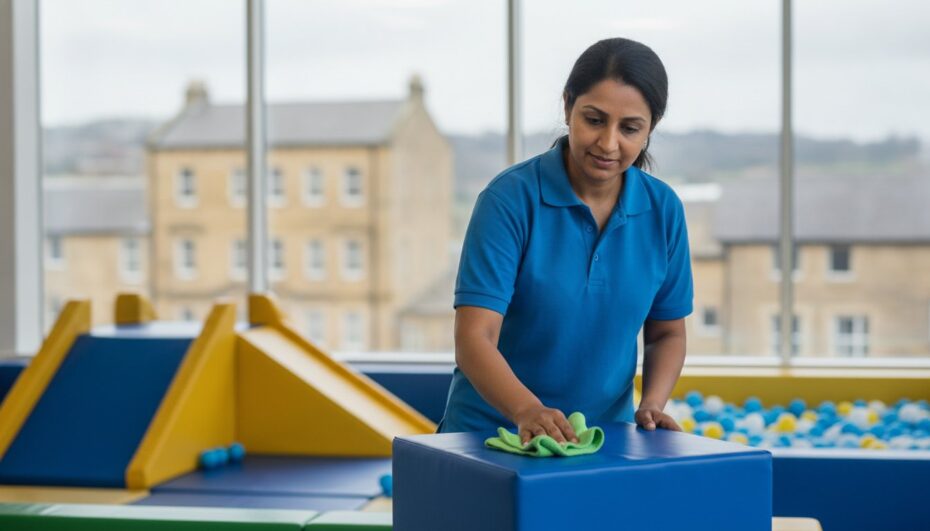
What if the very place your children go to explore, tumble, and grow is actually a hidden breeding ground for the season’s nastiest viruses? As a dedicated caregiver, you likely worry about germs spreading or harsh chemicals stripping the life out of your premium PVC. Learning how to clean soft play equipment doesn’t have to be an overwhelming chore that leaves you feeling defeated by a mountain of ball pit balls. We understand that your priority is the safety and joy of the little ones in your care. You deserve a cleaning routine as reliable and high-quality as the handmade equipment we craft right here in West Yorkshire.
You want a play space that stays vibrant and safe without compromising the integrity of the foam or professional craftsmanship. This ultimate 2026 hygiene guide will help you master a professional three-tier system to clean, sanitise, and protect your investment according to the latest ASTM F1918-21 standards and CDC recommendations. We’re going to walk you through everything from daily surface wipes to deep-cleaning thousands of balls. This ensures your play area remains a sparkling, germ-free sanctuary for every child who steps inside.
Key Takeaways
- Protect developing immune systems by following a maintenance routine that stops allergens and bacteria from taking hold in high-traffic zones.
- Discover why our high-quality UK-made PVC requires specific non-toxic detergents rather than harsh solvents that can ruin handmade seams.
- Learn exactly how to clean soft play equipment using a safe “spray and wipe” system that prevents the damaging “sponge effect” in the foam.
- Avoid common hygiene blunders like using high-heat drying methods that can melt your equipment and compromise child safety.
- Establish a repeatable cleaning schedule, from 10-minute daily refreshes to deep-cleaning thousands of ball pit balls, to ensure your gear lasts for years.
Why Regular Soft Play Maintenance is Non-Negotiable
Imagine a bustling Saturday morning in your play centre or living room. The air is filled with laughter, but it’s also filled with something less visible: germs. Children have developing immune systems that aren’t yet ready for a heavy viral load. Because these are high-traffic environments, the risk of spreading bacteria or allergens like dust mites is a constant reality. Maintaining high standards isn’t just a “nice to have” feature; it’s a fundamental part of running a responsible childcare or leisure business. Understanding how to clean soft play equipment is the first step in creating a sanctuary where safety and fun coexist perfectly.
When you invest in premium, handmade equipment from our West Yorkshire workshop, you’re buying world-class durability. However, even the toughest PVC needs a little love to stay in peak condition. Regular maintenance prevents the build-up of grime that can dull the vibrant colours children love. It keeps the environment healthy and ensures your gear doesn’t end up in a landfill prematurely. We take pride in our craftsmanship, and we want your play mats and ball pits to look as stunning in five years as they do on day one.
The Link Between Hygiene and Equipment Longevity
Did you know that human sweat and natural skin oils can actually degrade PVC coatings over time? If left uncleaned, these oils can cause the material to become brittle or lose its waterproof seal. Once the cover is compromised, moisture can seep into the high-density foam, leading to the dreaded “bottoming out” effect where the support vanishes. Following established playground safety standards is essential for UK nurseries and play centres to remain compliant and safe. By keeping the exterior surfaces clean, you’re protecting the structural integrity of the foam inside, ensuring your investment lasts for years of heavy use.
Creating a Positive First Impression for Parents
Parents are the ultimate detectives. They’ll notice a stray crumb or a faint odour the moment they walk through the door. Does your facility pass the “smell test”? A fresh-smelling room signals a facility that cares about every detail. Visual cues like sparkling PVC and dust-free corners build immediate trust with caregivers. When you’re transparent about your cleaning protocols, you aren’t just sanitising; you’re selling peace of mind. Our high-quality handmade equipment is designed to be easier to clean than cheap imports, allowing you to maintain that “like-new” aesthetic with minimal effort. Don’t let a lack of routine damage your reputation or your equipment’s lifespan.
The Essential Soft Play Cleaning Kit: What to Use (and Avoid)
Selecting the right tools is just as important as the cleaning process itself. You wouldn’t use a wire brush on a luxury car; so why risk your high-quality PVC? When learning how to clean soft play equipment, your first priority is finding a balance between killing germs and preserving the material. Many “natural” cleaners are wonderful for light dusting. However, they often lack the power to tackle heavy-duty pathogens like norovirus or flu. Conversely, aggressive industrial chemicals can strip the protective coating from your mats, leading to cracks where bacteria love to hide.
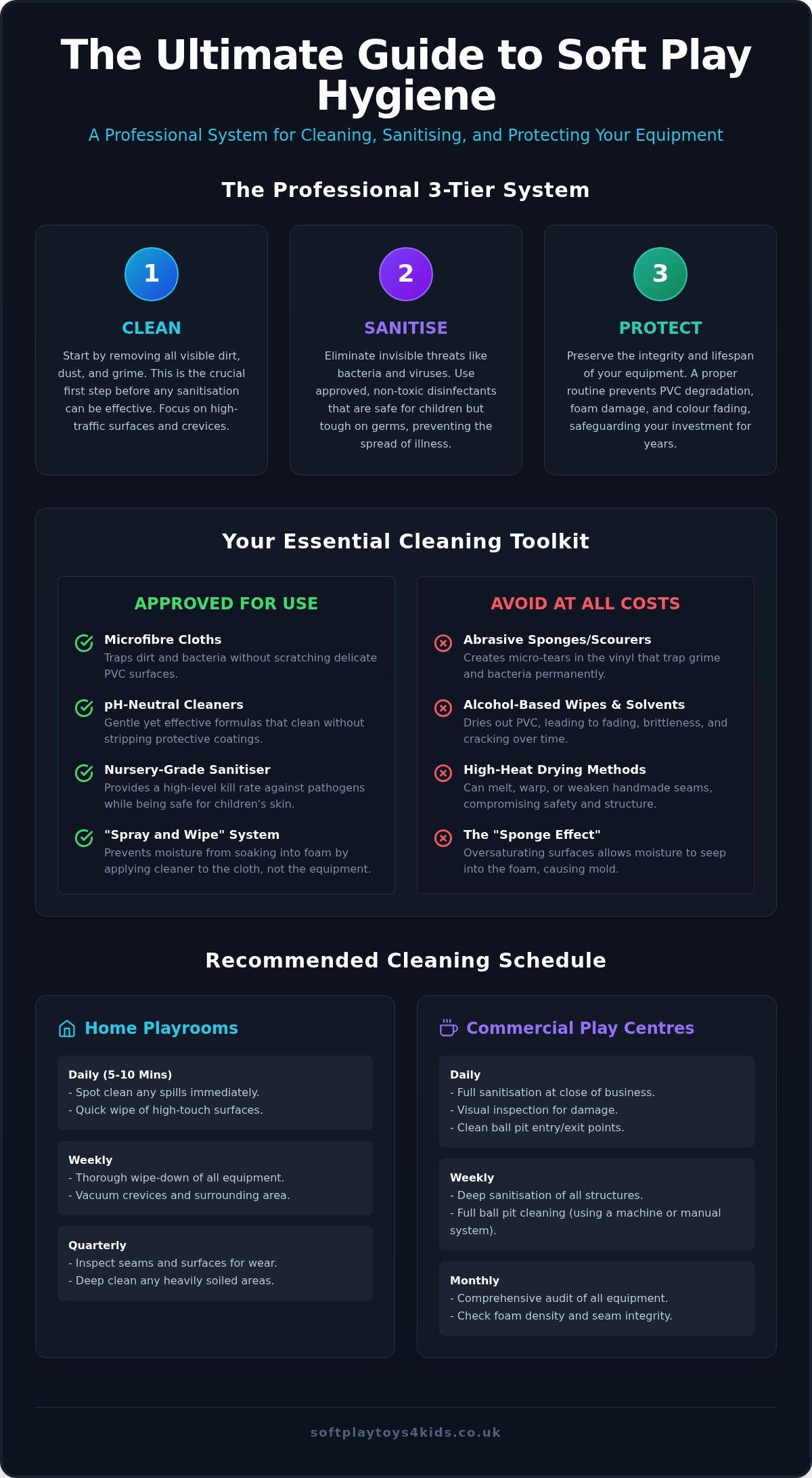
Your kit should focus on soft, effective tools. Microfibre cloths are the undisputed heroes of play area maintenance. They trap dirt and bacteria within their fibres without scratching the vibrant PVC finish. Avoid abrasive green sponges or scouring pads at all costs. These create micro-tears that turn into permanent homes for grime. Steam cleaning has also become a vital part of deep sanitisation in 2026. It’s brilliant for reaching into crevices, but you must keep the nozzle at a safe distance. Excessive heat can weaken the handmade seams we take such pride in during our manufacturing process.
Safe Disinfectants for PVC and Vinyl
pH-neutral cleaners are the absolute gold standard for maintaining soft play integrity. While alcohol-based wipes are convenient for a quick fix, using them regularly is a mistake. Alcohol is a solvent; it dries out the vinyl, leading to fading and eventual cracking. For professional results in UK nurseries, we recommend nursery-grade sanitisation solutions like Milton. These products provide the high-level kill rate required for safety while remaining gentle enough for a child’s sensitive skin. If you want a play area that stays looking brand new, stick to these tried-and-tested formulas.
Eco-Friendly Alternatives for Home Playrooms
Many parents rely on a vinegar and water solution, but it is important to address the myth: vinegar is not a registered disinfectant. It won’t meet the rigorous handmade soft play equipment standards required to kill 99.9% of germs. For daily spot cleans, a simple mixture of mild dish soap and warm water is far more effective at lifting oils and sticky fingerprints. Be wary of essential oils too. While they smell lovely, oils like citrus or tea tree can actually dissolve certain PVC finishes over time. Stick to plain, non-toxic detergents to keep your equipment safe and sparkling.
Step-by-Step: How to Clean Ball Pits and Play Mats
Ready to transform your play area? Mastering how to clean soft play equipment starts with a clear, repeatable process that doesn’t leave you feeling drained. Begin by grabbing your vacuum. You need to reach deep into those crevices and corners where crumbs and dust bunnies love to hide. This isn’t just about appearances; it’s about removing the debris that can scratch our premium PVC surfaces over time. Once the area is clear, it’s time for the “spray and wipe” method using your pH-neutral solution. Focus your energy on high-touch zones like edges, handles, and velcro strips. These are the hotspots for little hands and require extra attention to stay truly sanitary.
Never rush the drying stage. Proper air drying is your best friend to prevent mould and mildew from finding a home in your equipment. Prop your mats up so air can circulate around every surface. It’s a simple step that preserves the handmade quality we build into every piece of gear at our West Yorkshire factory. If you’re managing a commercial space, ensure you have enough downtime between sessions for the surfaces to dry completely before the next group of explorers arrives.
The Ultimate Guide to Cleaning Ball Pit Balls
Cleaning a ball pool can feel like a nightmare, but we’ve got the secrets to make it a breeze. For smaller batches, the Net Bag Method is a game changer. Pop the balls into a mesh laundry bag and run them through a standard washing machine on a cold, gentle cycle with a mild detergent. If you’re dealing with a massive commercial ball pit, the bathtub soaking method is your best bet. Fill the tub with warm, soapy water and let them soak for 30 minutes. To dry 500+ balls without taking up the whole house, spread them out on large towels in a well-ventilated room. They’ll be ready for action before you know it.
Deep Cleaning Soft Play Mats and Crash Pads
Deep cleaning your play mats involves more than just a surface wipe. If you find stubborn scuffs, a soft cloth with a tiny bit of mild detergent usually does the trick. Don’t forget the underside; it touches the floor and can harbour hidden dust and bacteria. Pay special attention to velcro joins. These areas are magnets for hair and lint. A small, soft brush can help clear the hooks and loops before you apply your sanitiser. This level of detail keeps your equipment looking professional and ensures a safe, hygienic environment for every child’s adventure.
Common Mistakes That Ruin Soft Play Equipment
Even the most well-intentioned cleaning routine can turn into a disaster if you aren’t careful. We’ve seen beautiful, handmade sets ruined in minutes because of a few simple misunderstandings. One of the biggest mistakes is over-saturating the foam. This creates a “sponge effect” where moisture gets trapped deep inside the material. Once the core is wet, it becomes a breeding ground for bacteria and is incredibly difficult to dry. Always use a damp cloth, never a soaking one, when learning how to clean soft play equipment effectively.
Heat is another silent killer. You might think a hair dryer or a nearby heater will speed up the process, but high temperatures can actually melt PVC seams. This compromises the safety of the equipment and ruins the professional finish. Similarly, neglecting the necessary “dry time” before letting children back on the mats leads to slippery surfaces and potential accidents. If you store your equipment while it’s still damp, you’re inviting permanent mould to take root. This doesn’t just look bad; it’s a health hazard that usually means the equipment has to be replaced entirely.
The Danger of Harsh Chemicals
Bleach might be a powerful disinfectant, but it is the enemy of high-quality vinyl. Regular use of bleach or solvent-based cleaners causes yellowing and makes the PVC brittle. This leads to surface cracks that can pinch a child’s skin. You should also resist the urge to scrub too hard. Our West Yorkshire craftsmanship is built to last, but aggressive scrubbing can wear down the protective finish and damage the handmade seams. If you notice a dull, tacky feeling on the surface, you’re likely seeing a “chemical burn” from using products that are too aggressive for soft play materials.
Physical Maintenance Failures
It might be tempting to take your ball pit outside and hit it with a pressure washer, but please don’t. The intense force of the water can rip through PVC and force moisture into every sealed corner. We also recommend staying away from “Magic Erasers.” While they seem like a miracle for scuffs, they are actually micro-abrasives that work like sandpaper. They will strip the vibrant colour and shine right off your printed PVC. Finally, always store your mats flat or properly stacked. Folding them in ways they weren’t designed for leads to permanent creasing and structural weakness. If your current gear has seen better days due to these common errors, check out our professional-grade soft play mats and ball pits for a durable, easy-to-clean upgrade.
Your 2026 Soft Play Cleaning Schedule: Home vs. Commercial
Consistency is the secret ingredient to long-lasting play gear. Learning how to clean soft play equipment is only half the battle; the real victory lies in your schedule. Whether you’re a parent with a busy playroom or a manager at a high-traffic nursery, a structured routine ensures no germ goes unnoticed. By breaking tasks into daily, weekly, and monthly chunks, you prevent grime from ever becoming a permanent resident in your facility. We recommend a “closing time” mindset where hygiene is part of the daily wrap-up, keeping your equipment as fresh as the day it left our West Yorkshire factory.
- Daily Essentials: Implement a 10-minute “closing” routine. Focus on high-touch areas like handles, entry points, and the tops of play mats. A quick sanitising wipe-down prevents bacteria from multiplying overnight.
- Weekly Deep Cleans: This is the time to tackle hidden surfaces. Move the equipment to vacuum underneath and wipe down the sides that touch the floor. If you have a ball pit, check for any “presents” left at the bottom.
- Monthly Inspections: Perform a structural health check. Examine handmade seams for wear, test the smoothness of zips, and feel the foam density to ensure there’s no “bottoming out” occurring.
The Home Playroom Routine
For parents, the goal is a healthy home without the stress of a full-time cleaning job. If your toddler uses the space daily, keep a spray bottle of mild detergent handy for instant spot cleans. We suggest rotating toys every week. This keeps the little ones engaged and gives you a chance to clean everything that’s been in storage. A full “ball wash” for your ball pit isn’t usually necessary every week at home; once a month is typically plenty, unless a specific “accident” happens. Master how to clean soft play equipment at home by keeping it simple and repeatable.
Commercial Maintenance for Play Centres
In a professional setting, hygiene is your brand’s reputation. You must maintain a rigorous cleaning log to stay compliant with UK health and safety standards. This documentation proves to parents and inspectors that you’re committed to a safe environment. Consistency across your team is vital. We recommend formal staff training sessions to ensure every member knows exactly which chemicals to avoid on our premium PVC. If you’re looking for durable, easy-clean gear that stands up to heavy-duty sanitisation, explore our commercial soft play range. Our handmade craftsmanship is designed for the high-intensity demands of a commercial play centre.
Ready to Build a Safer, Cleaner Play Sanctuary?
You now have the professional tools to transform your play area from a high-traffic worry into a sparkling sanctuary. By mastering how to clean soft play equipment using our tiered system, you’re doing more than just wiping surfaces; you’re protecting the health of every child who explores your space. Remember to stick to pH-neutral cleaners and avoid the “sponge effect” to keep your gear in peak condition. Consistency with your 2026 schedule is what separates a good facility from a world-class one.
We take immense pride in our handmade craftsmanship from West Yorkshire. It’s why UK nurseries and schools trust our heavy-duty, wipe-clean PVC to withstand years of daily play and rigorous sanitising. Don’t let inferior materials make your job harder. Choose equipment built for durability and ease of maintenance. Shop our range of easy-clean, UK-made soft play equipment today and experience the difference of premium quality. Your commitment to safety builds trust with parents and creates a joyful environment where children can thrive. You’ve got this!
Frequently Asked Questions
Can I put soft play covers in the washing machine?
No, you should avoid putting soft play covers in a washing machine. The intense agitation and heat can damage the high-quality PVC and weaken the handmade seams we take such pride in. Instead, stick to a manual spray and wipe routine with a microfibre cloth. This method preserves the waterproof coating and ensures your equipment remains vibrant and safe for years of play without the risk of shrinkage or material breakdown.
How often should a commercial ball pit be cleaned?
Commercial ball pits require a tiered schedule for safety. You must perform daily surface checks for debris and spot clean visible grime every evening. A full sanitisation of all balls and a deep clean of the pit itself should happen at least once a month in high-traffic centres. This rigorous approach is essential for maintaining playground safety standards and building long-term trust with parents who visit your facility.
What is the best way to disinfect a baby ball pit at home?
The best way to disinfect a baby ball pit at home is using a two-step process. First, wash the balls in a bathtub with warm, soapy water to remove oils. Second, use a non-toxic, nursery-grade sanitiser to spray the interior surfaces of the pit. Learning how to clean soft play equipment at home ensures your little one has a germ-free environment to explore without being exposed to harsh, industrial chemicals.
How do I get rid of the “old plastic” smell from soft play gear?
Getting rid of a stubborn old plastic smell starts with proper ventilation. Open windows and let fresh air circulate around the equipment for several hours. You can also wipe down the PVC with a mixture of water and a small amount of bicarbonate of soda. This neutralises odours without damaging the material. Regular maintenance prevents these smells from developing, keeping your playroom inviting and fresh for every adventure.
Is it safe to use a steam cleaner on soft play equipment?
Yes, it is safe to use a steam cleaner, but you must use caution. Keep the steam nozzle at least 15cm away from the surface to prevent the heat from melting the PVC or weakening the adhesive in the seams. Steam is a brilliant way to deep clean without chemicals. However, always follow up with a dry microfibre cloth to ensure no moisture remains trapped in the crevices of your soft play mats.
How long does soft play equipment take to dry after a deep clean?
Most soft play equipment takes between two and four hours to dry completely. This depends on the humidity and airflow in your room. To speed things up, prop your play mats vertically so air can reach both sides. Never let children return to play while the surfaces are still damp. Ensuring a 100% dry finish is the only way to prevent the growth of mould and mildew.
What should I do if mould starts growing on the foam?
If mould has penetrated the internal foam, you must replace the equipment immediately. Surface mould on the PVC can sometimes be treated with a mild vinegar solution or a specialist non-toxic cleaner. However, if the sponge effect has pulled moisture into the core, the structural integrity and hygiene are compromised. We always recommend choosing high-quality, West Yorkshire-made gear that features superior seals to prevent this issue from occurring in the first place.
Can I use baby wipes to clean my soft play mats?
Baby wipes are fine for a quick in-the-moment spot clean, but they aren’t a substitute for real disinfection. Most wipes don’t contain enough sanitising agent to kill 99.9% of bacteria. For a proper routine on how to clean soft play equipment, you need a dedicated pH-neutral sanitiser. Use a wipe for a sticky fingerprint, but rely on your professional cleaning kit for your daily and weekly hygiene tasks.
Leave a Reply