
Ofsted Requirements for Nursery Play Equipment: The 2026 Compliance Guide
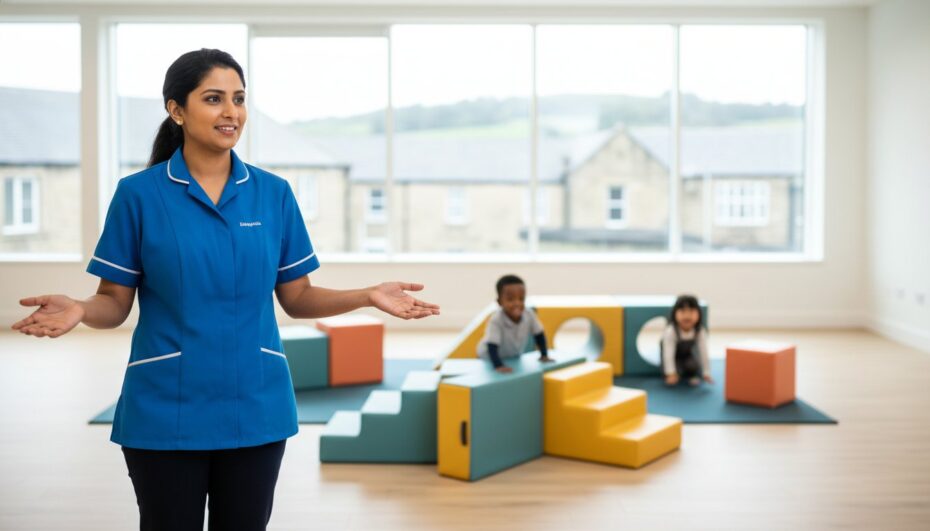
What if the very climbing frame that makes your toddlers giggle is actually a hidden compliance risk waiting to be flagged during your next inspection? It’s a question that keeps many of the 27,000 nursery providers across England awake at night, especially as we look toward the 2026 standards. We know you want your little ones to have “new wild fun,” but the pressure to meet every specific Ofsted requirements for nursery play equipment while managing costs is a heavy burden. You shouldn’t have to choose between a child’s happiness and a glowing regulatory report.
We’re here to help you master the balance between EYFS learning goals and strict safety standards to create an environment that’s always inspection-ready. This guide provides a clear breakdown of BS EN 1176 and 1177 safety standards, ensuring your equipment supports vital physical development goals. You’ll walk away with the confidence to lead any Ofsted walk-through, knowing your UK-made soft play is both high-quality and fully compliant.
Key Takeaways
- Master the “Intent, Implementation, and Impact” of your play area to create an “Enabling Environment” that aligns perfectly with the 2026 EYFS framework.
- Ensure your nursery stays compliant by understanding the critical Ofsted requirements for nursery play equipment, including the vital differences between BS EN 1176 standards and domestic-grade toys.
- Unlock the educational potential of your space by using modular soft play blocks to seamlessly integrate literacy and numeracy into every active session.
- Establish a fail-safe inspection routine with our nursery manager’s audit checklist, covering essential daily safety checks and post-pandemic hygiene protocols.
- Discover the benefits of UK-made equipment, where handmade quality and full material traceability give you total peace of mind during your next inspection.
Understanding Ofsted Requirements for Nursery Play Equipment in 2026
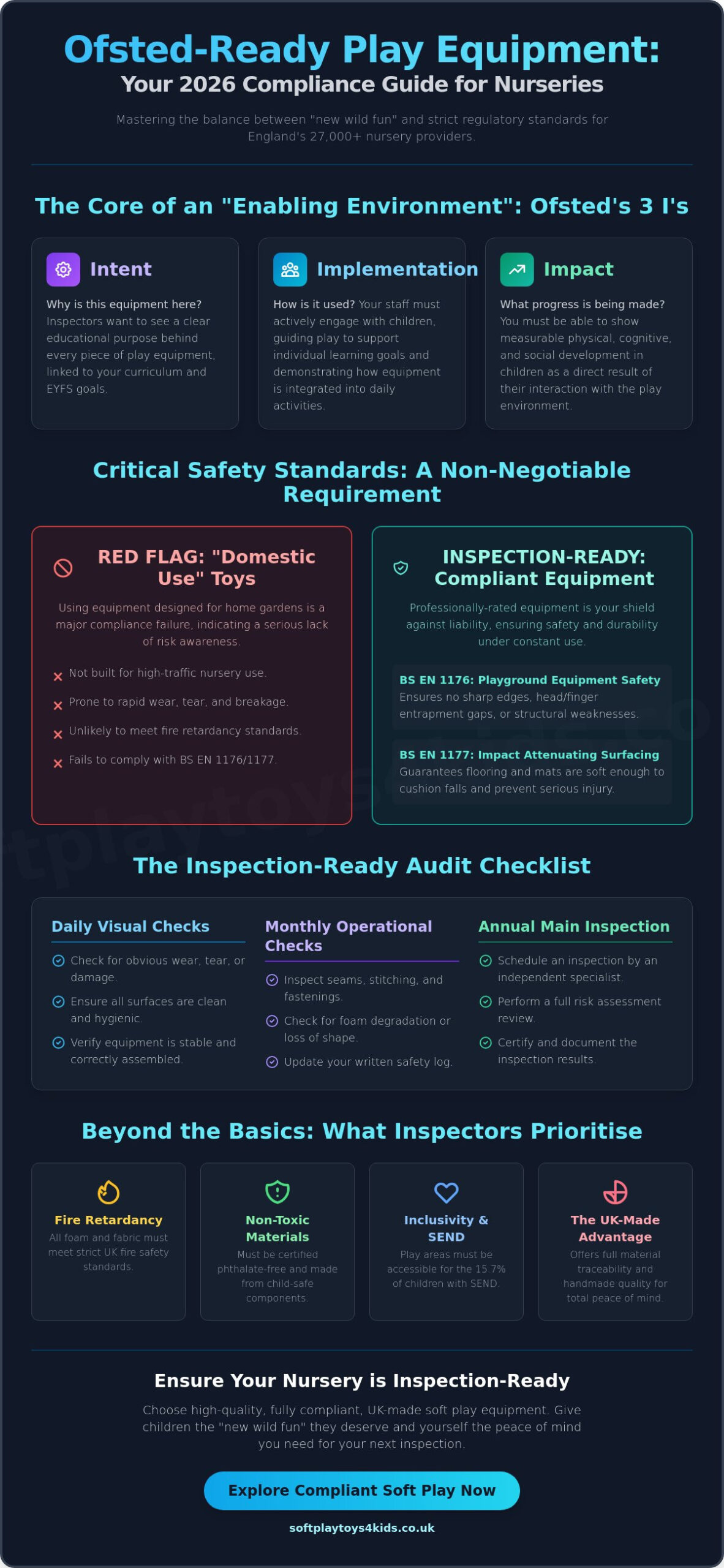
Are you feeling confident about your next inspection? Meeting the 2026 Ofsted requirements for nursery play equipment isn’t just about ticking a safety box; it’s about proving that every tunnel, slide, and soft block serves a distinct educational purpose. Since the updated inspection framework took full effect in early 2024, the focus has shifted away from simply owning toys toward how those resources drive “Intent, Implementation, and Impact.”
Inspectors now look for a curriculum that is lived out through your environment. If you’ve got a premium ball pool or a climbing wedge, you must explain the “Intent” behind it. Why is it there? “Implementation” looks at how your staff interact with children using the gear. Finally, “Impact” measures the physical and cognitive progress children make. Just having toys on a shelf isn’t enough for a “Good” or “Outstanding” rating anymore. You need a curated selection that promotes purposeful play every single day.
Access to these experiences must be consistent. Ofsted expects all-season access to varied play, meaning your indoor and outdoor setups should complement each other. Whether it’s a rainy Tuesday in January or a sunny afternoon in July, children need high-quality equipment that challenges their physical limits and sparks their imagination.
The Role of Play Equipment in EYFS Learning
Your equipment is a vital tool for delivering the Early Years Foundation Stage (EYFS), specifically within the Prime Area of physical development. High-quality soft play shapes don’t just keep kids busy; they build core strength, balance, and co-ordination. These physical milestones are the building blocks for the “Characteristics of Effective Learning,” where children learn to play, explore, and think critically. An enabling environment is a space that challenges and supports a child’s unique interests through high-quality, intentional resources.
What Inspectors Look for During a Walk-Through
When an inspector enters your room, they aren’t just checking for dust. They are observing child engagement. Are the children deeply involved with the play apparatus, or are they wandering aimlessly? Your staff must be ready to explain how a specific piece of equipment supports a child’s individual learning goal. For example, how does a textured crawl-through tunnel help a toddler with sensory processing? Inclusivity is also a major 2026 priority. With 15.7% of children in England currently identified as having SEND (Special Educational Needs and Disabilities), inspectors will look for evidence that your play area is accessible to every child, regardless of their physical abilities. Check us out before you checkout to ensure your gear meets these rigorous Ofsted requirements for nursery play equipment and provides the “new wild fun” children deserve in a safe, handmade UK environment.
Safety Standards and Legal Compliance: BS EN 1176 and 1177
Are you ready for your next inspection? When an inspector walks into your setting, they aren’t just looking at giggling children; they’re checking for the CE or UKCA marks that prove your equipment is fit for purpose. Meeting the Ofsted requirements for nursery play equipment starts with two critical numbers: BS EN 1176 and BS EN 1177. These aren’t just boring codes. They’re your shield against liability and injury.
BS EN 1176 specifies the safety requirements for playground equipment, ensuring that gaps don’t trap little heads and surfaces don’t have sharp edges. BS EN 1177 focuses on impact attenuating surfacing, which is the technical way of saying your floor must be soft enough to cushion a fall. Using “domestic use” toys in a nursery setting is a massive red flag. Domestic items are built for the occasional play of one or two children; they’ll fall apart under the high-traffic demands of 20 energetic toddlers. If an inspector sees equipment designed for a back garden inside your nursery, it suggests a lack of risk awareness.
Safety goes deeper than the structure. All foam and fabric must meet strict fire retardancy standards and be made from non-toxic, phthalate-free materials. To stay ahead, you must maintain a “Safety Log.” This document should include:
- Daily visual checks for wear and tear.
- Monthly operational inspections of seams and stability.
- Annual main inspections by an independent specialist.
You can find more details on setting up a compliant environment in the official government guidance regarding nursery provision.
The Importance of Commercial-Grade Soft Play
In a high-traffic nursery, durability is everything. Our equipment is lovingly handmade in the UK, specifically in our West Yorkshire factory, to ensure it survives years of jumping and climbing. Mass-produced imports often use thin vinyl that splits, creating a hygiene risk. Choosing commercial-grade gear means you’re investing in longevity and safety. If you’re unsure what to look for, read the ultimate guide to buying soft play equipment to make an informed choice for your business.
Surfacing and Impact Protection
The Critical Fall Height (CFH) is a vital measurement. It dictates how thick your mats need to be based on the highest point a child can climb. For your youngest learners, high-quality baby play mats are essential in the crawler zone to prevent bumps. Regular checks are vital. Look for foam fatigue, where the mat stays indented, or seam splits that could trip a child. Keeping these surfaces in top condition is a core part of meeting Ofsted requirements for nursery play equipment and ensures your bundle of joy stays safe while they explore.
Bridging the Gap: Using Soft Play for Literacy and Numeracy
Ofsted inspectors don’t just want to see children running around; they look for environments that “promote words and numbers” through every activity. The 2024 Early Years Inspection Handbook emphasizes that a play area should be a rich learning environment. You can achieve this by using modular soft play blocks. These aren’t just for building towers. They’re vital tools for counting, sequencing, and colour recognition. When children move large, numbered blocks, they’re engaging in “gross motor learning” which helps cement mathematical concepts in their minds.
It’s all about making education feel like a “new wild fun” adventure. By choosing equipment that combines physical movement with cognitive tasks, you satisfy Ofsted requirements for nursery play equipment while keeping the children giggling. Our UK-made equipment is designed to be versatile. You can create paths that require children to follow a sequence of colours or shapes, effectively turning a simple obstacle course into a live-action puzzle.
Active Learning with Sensory Equipment
Integrating sensory toys into your physical layouts is a game-changer for language development. Ofsted loves to see “thought-provoking” play where children interact with varied textures and shapes. This tactile feedback helps toddlers describe their world, boosting their vocabulary. A ball pit can be used for colour-sorting numeracy activities, where children find and group all the blue or yellow balls into specific zones to practice basic addition and subtraction. We also suggest creating “quiet zones” with our premium soft seating. These areas provide a dedicated space for literacy focus, where children can look at books in a comfortable, calming environment away from the high-energy zones.
Managed Risk and Physical Challenge
A key part of modern Ofsted requirements for nursery play equipment involves “age-appropriate risk.” Inspectors want to see that you’re helping children build confidence through climbing and balancing. It’s about “safe failure.” Our equipment is lovingly handmade in West Yorkshire to meet BS EN 1176 safety standards, giving you total peace of mind.
When a child attempts a steep soft-play ramp and slips, they’re learning about their own limits in a padded environment. This builds immense psychological resilience. They don’t get hurt; they just try again. We proudly offer high-quality, durable foam structures that support this developmental journey. Check us out before you checkout elsewhere. You won’t find better UK-manufactured quality that balances safety with the necessary physical challenges Ofsted expects to see in a “Good” or “Outstanding” rated nursery.
- Counting: Use numbered soft cubes for stack-and-count games.
- Language: Use textured mats to prompt descriptive words like “bumpy” or “smooth.”
- Risk: Provide varying heights to encourage confident climbing.
Safety is our priority, but fun is our passion. Whatever your space looks like, we have the creative activity options to make it pass the inspection with flying colours.
The Nursery Manager’s Audit: Is Your Play Area Inspection-Ready?
Is your nursery truly ready for the call from an inspector? Meeting Ofsted requirements for nursery play equipment isn’t just about a one-off tidy before the front door opens. It’s about a culture of constant vigilance. Since the updated 2024 Early Years Inspection Handbook, there’s a sharper focus on how physical environments contribute to a child’s “cultural capital” and physical development. You need a three-tier inspection routine. Start with daily visual sweeps for immediate hazards. Follow up with monthly recorded audits of structural integrity. Finally, ensure you have an annual professional inspection by a RPII-qualified technician. These layers of protection show you’re proactive, not reactive.
Hygiene remains a top-tier priority for inspectors. Your cleaning protocols must be visible and consistent. If a ball pit hasn’t been deep-cleaned in three months, it’s a red flag. Staff training is the secret weapon here. Every practitioner should be able to explain “the why” behind the play. If an inspector asks why the soft play blocks are arranged in a specific way, your team should confidently discuss gross motor skills or spatial awareness. Don’t wait for foam to crumble or stitching to snap. Identifying and replacing worn apparatus before the inspector arrives shows you’re a manager who values excellence over “making do.”
Pre-Inspection Equipment Checklist
Walk your floor today and look for exposed foam, frayed stitching, or loose parts on every item. These aren’t just minor eyesores; they’re safety failures in the eyes of an inspector. Verify that all indoor playground equipment has up-to-date safety certificates and fits the age group using it. Clear away unrelated clutter like stray storage boxes or broken toys. A “purposeful focus” means every item in the room has a reason to be there, supporting the 7 areas of learning.
Documenting the Impact
Paperwork is your physical evidence of quality. Keep a “Maintenance and Repair” logbook that tracks every fix, from a tightened bolt to a full equipment replacement. Use photos of children engaged with the play sets to demonstrate progress in their physical development folders. Ofsted loves to see how you’ve adapted equipment for inclusive use. If you’ve added sensory elements to a standard climbing frame to support a child with SEND, record it. This proves your play area isn’t just a room; it’s a tailored learning tool.
Ready to upgrade your nursery with the UK’s most durable, inspection-ready gear? Check us out before you checkout and see why we’re the leading choice for West Yorkshire nurseries.
Choosing UK-Made Soft Play for Guaranteed Compliance
Meeting Ofsted requirements for nursery play equipment isn’t just about ticking boxes; it’s about the peace of mind that comes from knowing every inch of your play area is safe. When you partner with a UK-based manufacturer, you gain total traceability. You’ll know exactly what’s inside your foam shapes, from the high-density, fire-retardant foam to the phthalate-free PVC covers. This level of transparency is vital for the 2026 compliance landscape, where inspectors are looking closer at material safety than ever before.
We’re proud to offer our “Price-Beater Guarantee” for all commercial clients. We know budgets are tight, but safety can’t be compromised. If you find a comparable commercial-grade product elsewhere, we’ll beat the price. This ensures you get premium, UK-made quality without overstretching your nursery’s finances. Beyond the cost, professional installation is the final piece of the compliance puzzle. Our team ensures that every piece of equipment is positioned to meet BS EN 1176 and 1177 standards, providing the correct fall zones and impact-absorbing flooring required for a passing grade.
Custom Design for Small or Unique Spaces
Limited square footage shouldn’t limit a child’s learning potential or your ability to meet Ofsted requirements for nursery play equipment. We specialize in maximizing every corner of your facility. Because our products are lovingly handmade in our West Yorkshire factory, we can create bespoke shapes that fit your specific room layout perfectly. Whether it’s a corner ball pool or a custom-fit soft climb, we ensure it’s built to last and safe for every “bundle of joy” in your care. Contact SoftplayToys4kids for a custom commercial quote and let’s build something amazing together.
The SoftplayToys4kids Difference
Why does our “lovingly handmade” approach build such strong trust with Ofsted? It’s because our gear is designed for the rigours of daily commercial use, not just occasional home play. If you’ve identified non-compliant gear during a pre-inspection audit, our quick lead times are a lifesaver. We can often manufacture and ship replacement items faster than international importers can even process an order.
Our commitment to the happiness and safety of UK children drives everything we do. We want to see kids giggling and enjoying “new wild fun” in an environment that’s as safe as it is exciting. We’re confident in our quality, which is why we always say: Check Us Out Before You Checkout. You’ll find that our commitment to premium materials and British craftsmanship makes all the difference when the inspector knocks on your door.
Future-Proof Your Nursery for the 2026 Inspection Cycle
Staying ahead of the Ofsted requirements for nursery play equipment means more than just ticking a box. It requires a deep commitment to the BS EN 1176 and 1177 safety standards that protect every child in your care. By 2026, nursery managers must demonstrate exactly how their play areas support the EYFS curriculum, specifically bridging the gap between physical movement and core literacy or numeracy skills. Regular audits aren’t just a recommendation; they’re a necessity for maintaining a high-quality learning environment that’s ready for any inspector’s visit.
You deserve equipment that’s built for the long haul. Every item we produce is lovingly handmade in West Yorkshire, providing the commercial-grade durability that busy UK schools and nurseries demand. We’re proud to offer a Price-Beater Guarantee on our entire range, ensuring you get premium British quality without overstretching your budget. It’s time to create a safe, giggling environment where children can thrive and your compliance is never in question. Don’t settle for less when it comes to your nursery’s reputation and the safety of your little learners.
Check Us Out Before You Checkout – Shop Our Commercial Range
Let’s work together to make your nursery the gold standard for safe, educational play today.
Frequently Asked Questions
Does Ofsted require specific safety certificates for soft play?
Ofsted requires all nursery equipment to meet British safety standards, specifically BS EN 1176 for general play equipment and BS EN 1177 for impact-absorbing flooring. You must keep these certificates in your setting’s health and safety folder to show inspectors during their visit. Our UK-made soft play items are designed with these exact 2026 safety standards in mind. It’s vital for keeping your little ones safe while they’re giggling and growing.
How often should nursery play equipment be professionally inspected?
You should book a professional RPII (Register of Play Inspectors International) inspection at least once every 12 months. Ofsted expects to see an annual safety report alongside your own daily and monthly in-house checklists. Regular maintenance ensures your nursery stays compliant with the latest Ofsted requirements for nursery play equipment. Check your equipment daily for wear and tear to keep your bundle of joy protected and your business running smoothly.
Can I use second-hand play equipment in my nursery?
You can use second-hand equipment as long as it meets current BS EN 1176 standards and you’ve completed a full risk assessment. However, older items often lack the necessary fire retardancy labels required by the Furniture and Furnishings (Fire Safety) Regulations 1988. Buying new, high-quality gear from a UK manufacturer ensures you’re 100% compliant from day one. Check us out before you checkout to see why new is often the safest choice for your nursery.
What does Ofsted say about “risky play” for toddlers?
Ofsted encourages “managed risk” because it helps children develop self-confidence and physical coordination. According to the 2024 EYFS framework, you should provide challenging environments that allow toddlers to test their limits safely. This doesn’t mean ignoring hazards. It means using premium, well-padded equipment that lets them climb and tumble without serious injury. It’s all about creating balanced fun for every happy learner in your care.
Is a ball pit considered “educational” by Ofsted inspectors?
Yes, Ofsted inspectors view ball pits as valuable tools for sensory development and gross motor skills. They support the Physical Development and Understanding the World areas of the EYFS curriculum. When you use our West Yorkshire handmade ball pools, you’re providing a space for colour recognition and social interaction. These are essential Ofsted requirements for nursery play equipment that focus on holistic child development and inclusive play.
What are the cleaning requirements for soft play mats in a nursery?
You must clean soft play mats daily using non-toxic, child-safe disinfectants to meet Health and Safety Executive (HSE) hygiene standards. Ofsted inspectors will check your cleaning logs to ensure a sanitary environment for the children. Our premium PVC covers are designed to be wipe-clean and durable, making your end-of-day routine quick and easy. Keeping things sparkling helps maintain a happy, healthy nursery where parents feel confident leaving their children.
Do I need different equipment for different EYFS age groups?
Yes, you need specific equipment tailored to the developmental stages of different age groups as outlined in the 2024 EYFS guidance. Babies need low-level sensory items, while older toddlers require more complex climbing structures to build strength and balance. Providing age-appropriate kits ensures every child stays safe and engaged. We offer a wide range of creative activity options for every stage of your nursery’s growth and development.
How does Ofsted view outdoor vs indoor play equipment?
Ofsted requires nurseries to provide daily outdoor play opportunities unless weather conditions make it genuinely unsafe. Inspectors look for a seamless transition between indoor and outdoor learning environments. Both areas must feature high-quality equipment that promotes physical activity and exploration. Our UK-made indoor soft play is perfect for those rainy days when you still want your little ones to have wild fun while staying warm and dry.
Leave a Reply