
Sensory Room Ideas for Home: Create a Safe Haven for Your Child in 2026
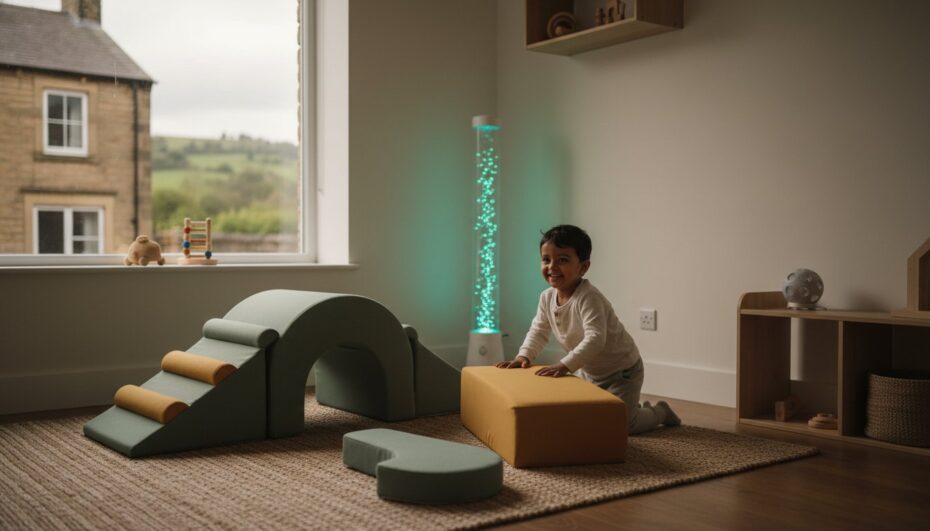
What if the secret to a calmer, happier home isn’t a bigger house, but a smarter use of the space you already have? Many UK parents tell us they feel trapped between wanting the best for their child’s development and facing the reality of compact British floor plans. You’ve likely spent hours searching for sensory room ideas for home, only to be met with eye-watering price tags or equipment that looks like it belongs in a hospital. It’s frustrating when you just want a safe, giggling-filled environment where your little one can truly relax and play.
We understand that every bundle of joy has unique needs, which is why we’re sharing our expert design secrets. You’ll discover how to transform any nook into a professional-grade sensory sanctuary using our high-quality, UK-made soft play equipment. This guide reveals the specific layouts that help children self-regulate and the durable, West Yorkshire-made tools that grow with your family for years. We’ll walk you through budget-friendly setups, space-saving hacks, and the essential toys that actually support sensory processing in 2026.
Key Takeaways
- Learn how the science of sensory play boosts your child’s motor skills and emotional regulation through a professionally designed environment.
- Discover versatile sensory room ideas for home that utilise tactile stimulation and proprioceptive “heavy work” equipment to create a balanced sanctuary.
- Master the art of zoning by creating a “Calm-Down Corner” for overstimulation or an “Active Zone” tailored for high-energy sensory seekers.
- Find out how to transform small UK spaces, such as under-stairs cupboards or bedroom corners, into high-impact sensory nooks on any budget.
- Understand why choosing non-toxic equipment lovingly handmade in West Yorkshire ensures a safe, durable, and premium play space for your family.
What is a Home Sensory Room and Why Does Your Child Need One?
Do you ever feel like your child’s world is just too loud, too bright, or simply overwhelming for them? You aren’t alone. As we move into 2026, more UK families are reclaiming spare bedrooms and quiet corners to create therapeutic hubs. But What is a Sensory Room? Essentially, it’s a controlled environment designed to either stimulate or calm the senses through specific lighting, sounds, and textures. While a standard playroom is often a whirlwind of toys and chaotic energy, a sensory sanctuary is a deliberate, safe space tailored to your child’s unique neurological needs.
The science of sensory play is clear. It isn’t just about fun; it’s about building the brain. By 2026, the demand for home-based therapeutic spaces has surged by an estimated 25 percent across the UK as parents seek to mirror the support found in clinical settings. These rooms help improve fine and gross motor skills while giving children the tools they need for emotional regulation. We proudly offer high-quality, lovingly handmade equipment right here in the UK to help you turn these sensory room ideas for home into a reality that brings your bundle of joy real peace.
Key Benefits for Development and Wellbeing
A dedicated space does more than just look inviting. It changes how your child interacts with their environment. By using premium soft play equipment, children build vital gross motor skills and physical confidence in a padded, secure area. These spaces are essential for reducing anxiety and preventing “meltdowns” by providing a predictable, low-stress retreat when the world gets too much. For children with autism or ADHD, a sensory room supports sensory integration, which helps the brain process information from the five senses more effectively.
Signs Your Child Would Benefit from a Sensory Space
Is your little one constantly crashing into furniture or spinning in circles? They might be a “sensory seeker” looking for more physical input to feel grounded. Conversely, “sensory avoiders” might cover their ears at the hum of a hoover or struggle with the glare of overhead lights. Sensory regulation is the ability to manage responses to external stimuli. If an Occupational Therapist has suggested a “sensory diet,” having a dedicated room allows you to deliver those specific “snacks” of activity throughout the day. Check us out before you checkout; our unbeatable range of UK-manufactured tools is designed to support these exact needs, ensuring your child feels safe, happy, and ready to learn.
Essential Components: The Building Blocks of a Sensory Haven
Are you ready to transform a spare room into a world of discovery? When exploring sensory room ideas for home, you’ve got to think about the four pillars of stimulation: touch, movement, sight, and sound. It’s about finding that perfect balance between high-energy play and quiet reflection. A well-designed room doesn’t just look good; it functions as a therapeutic tool tailored to your child’s specific needs.
- Tactile stimulation: This starts with what’s underfoot. Textured mats and soft fabrics provide immediate feedback to little fingers and toes, helping children process different sensations.
- Proprioceptive input: Often called “heavy work,” this acts as the room’s foundation. It involves equipment that resists movement, helping children feel grounded and secure in their environment.
- Visual elements: Balance is key here. You need a mix of stimulating focal points and dark, quiet corners where a child can retreat when they feel overwhelmed.
- Auditory control: Managing sound is vital. For children with sensitive ears, adding sound-absorbing soft play panels or thick rugs can prevent auditory overwhelm and create a peaceful atmosphere.
The Role of Soft Play and Ball Pits
Adding a ball pit is one of the smartest sensory room ideas for home. These pits provide deep pressure therapy, surrounding the child with consistent tactile input that helps calm the nervous system. Our soft play blocks are lovingly handmade in our West Yorkshire factory using premium high-density foam, usually around 25kg/m3 for maximum durability. This ensures they stay firm and safe for years, even during the most enthusiastic play sessions. Climbing and building with these blocks develops motor skills and coordination, giving your child the confidence to explore their limits safely.
Sensory Lighting and Visual Aids
Visual elements define the atmosphere of the entire space. You might choose stimulating fibre optics that glow and change colour, or perhaps a calming projector for a “dark den” corner. Bubble tubes are a fantastic multi-sensory tool. They offer a soothing visual rhythm while the internal pump creates a gentle vibration children can feel. Safety never takes a backseat here. Every electrical item we provide meets the latest UKCA standards, ensuring your bundle of joy stays protected while they play. By combining these lights with mirrors, you can double the visual impact without increasing the floor space used.
If you’re starting your journey to create a perfect space, why not check out our latest range of handmade equipment designed specifically for UK homes?
Designing for Your Child’s Specific Sensory Profile
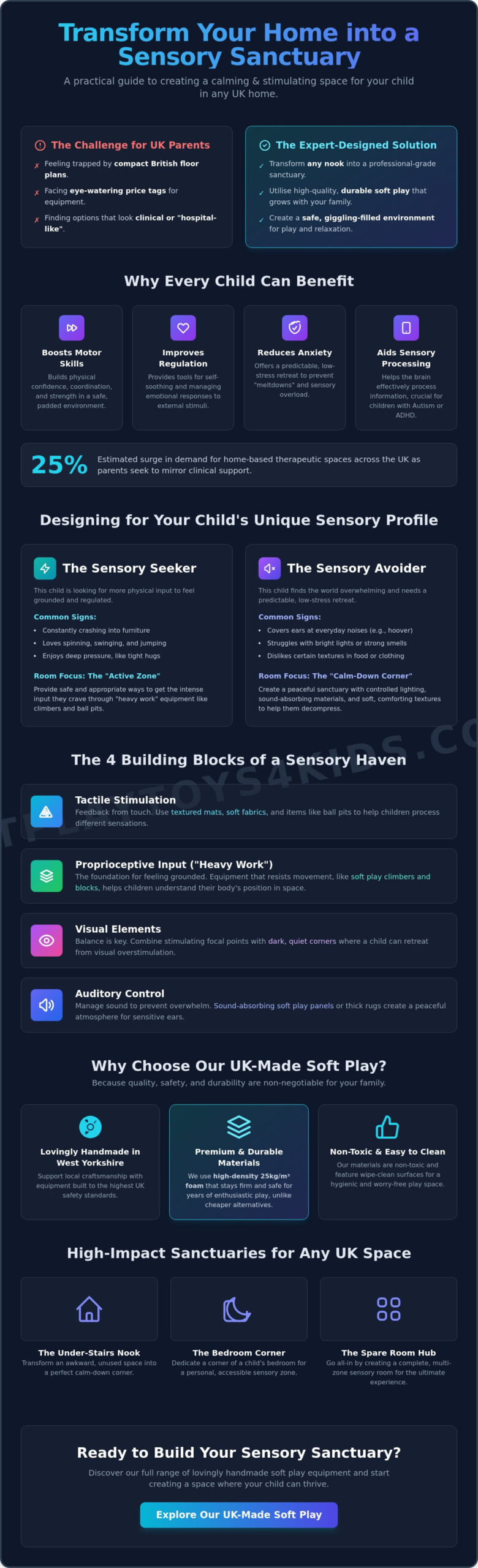
Do you ever feel like your child’s energy levels are a bit of a rollercoaster? You aren’t alone. When you are looking for sensory room ideas for home, the most successful designs start with your child’s specific sensory profile. Some children are “sensory avoiders” who feel overwhelmed by the world; others are “sensory seekers” who can’t get enough movement and touch. Your goal is to create a space that balances these needs through smart zoning.
Creating a “Calm-Down Corner” is vital for children who experience frequent overstimulation. This area should feel like a warm hug. Use neutral colours like soft greys, sage greens, or oatmeal. Research from environmental psychologists suggests that neutral palettes can reduce heart rates and promote relaxation. Avoid high-contrast patterns in this zone, as they can trigger visual fatigue. Instead, focus on soft textures and muffled acoustics.
For high-energy sensory seekers, you need an “Active Zone.” This is where high-contrast patterns and bright colours can actually be helpful, as they provide the visual input these children crave. Transitioning between these zones in a single room is easy if you use clear physical markers. You might use different floor textures or even simple coloured tape to show where the “loud” play ends and the “quiet” time begins. It’s about setting clear expectations through design.
The Calming Sensory Room Setup
A calming setup focuses on grounding the body and lowering cortisol levels. We proudly offer high-quality equipment lovingly handmade in the UK to help you achieve this. Consider these essentials:
- Grounding Surfaces: Use thick, cushioned baby play mats to provide a soft, safe foundation for floor play and stretching.
- Dark Dens: Pop-up tents or heavy fabric canopies block out external stressors, creating a private “cocoon” for the child.
- Soft Lighting: Swap harsh overhead bulbs for fibre optic lamps or bubble tubes. These provide gentle visual tracking without the glare.
- Weighted Pressure: Weighted blankets or lap pads provide deep pressure therapy, which is proven to help regulate the nervous system.
The Stimulating Sensory Room Setup
If your little one is constantly on the go, they need a space that encourages safe exploration and movement. This setup is all about feedback and physical engagement. Check Us Out Before You Checkout to see our range of durable, West Yorkshire-made equipment designed for active play.
- Interactive Play: Integrate sensory toys that offer different resistances, sounds, and textures to keep their hands busy and their minds engaged.
- Vestibular Input: Adding a ceiling swing or a sturdy balance board helps children understand where their body is in space.
- Visual Feedback: Use large, acrylic safety mirrors. Mirrors help children develop self-awareness and can double the visual impact of light-based toys.
By tailoring the room to these specific needs, you’re not just buying toys; you’re building a toolkit for your child’s development. Our price-beater guarantee ensures you get the best value for these essential developmental tools right here in the UK.
Small Space and Budget-Friendly Sensory Room Ideas
You don’t need a massive extension or a spare wing in your house to create a magical sanctuary. Many families across the UK find that some of the best sensory room ideas for home actually come from the smallest corners. Have you looked at that cupboard under the stairs lately? It’s the perfect spot for a “Sensory Nook.” By installing soft wall padding and a few fiber optic strands, you turn a dark storage hole into a private, calming retreat. If you live in a terraced house or a flat where floor space is at a premium, the “Sensory Corner” approach is your best friend. A single corner equipped with high-quality floor mats and a bubble tube provides a dedicated regulation zone without taking over your entire living room.
Making it Work in Any UK Home
Space-saving is the name of the game for modern parents. We recommend looking for multi-functional furniture that works twice as hard. Think about storage benches that double as soft seating; they keep the area tidy while giving your child a comfortable place to decompress. For families on the move, portable sensory kits are essential. You can pack tactile toys, weighted lap pads, and small projectors into a single bag. This ensures your child’s safe haven travels with them to the grandparents’ house or on holiday.
- Utilize vertical space with wall-mounted tactile panels to keep the floor clear.
- Choose foldable mats that can be tucked away under a bed when not in use.
- Use “blackout” pop-up tents for an instant sensory environment in any room of the house.
Budget Hacks Without Sacrificing Safety
Smart spending means focusing your budget on the “Big Three”: Mats, Lighting, and Seating. These are the foundations of any successful sensory room ideas for home. While DIY sensory walls made from kitchen sponges and fabrics are a fun weekend project, professional tactile panels offer 100% safety and hygiene. Our handmade UK quality prevents the need for frequent replacements. Because we manufacture everything in our West Yorkshire factory, we ensure every stitch meets rigorous safety standards that cheap imports simply can’t match.
Why should you invest in commercial-grade soft play instead of cheap high-street alternatives? It’s all about longevity. Commercial-grade vinyl and high-density foam don’t deflate or tear after a few months of heavy use. This durability saves you a fortune in the long run. Plus, our “Price-Beater Guarantee” ensures you get the best UK value. Check us out before you checkout; we won’t be beaten on price, so you can build the perfect environment for your child with total confidence.
Ready to transform your small space into a world of wonder? Check out our UK-made sensory equipment and start building your haven today!
Why Choose SoftplayToys4kids for Your Home Sensory Project?
Finding the right equipment is the final step in bringing your sensory room ideas for home to life. At SoftplayToys4kids, we don’t just sell toys; we manufacture peace of mind. Every single piece of soft play equipment we offer is lovingly handmade right here in our West Yorkshire factory. By keeping production local, we ensure that every stitch and seam meets our rigorous British quality standards. You aren’t just buying a product; you’re investing in UK craftsmanship that supports local families while providing a safe haven for yours.
Safety isn’t just a buzzword for us; it’s our foundation. We use non-toxic, phthalate-free materials that are incredibly easy to clean. Whether it’s a spilled drink or everyday germs, a quick wipe keeps your sensory space hygienic and fresh. Because we are the manufacturers, we cut out the middleman entirely. This allows us to offer premium, factory-direct pricing without the high-street markup. It’s our way of ensuring quality remains accessible. Check us out before you checkout and see the difference that buying direct makes for your budget.
- Handmade in West Yorkshire: Local manufacturing ensures superior quality control and faster delivery across the UK.
- Strict Safety Standards: All materials are non-toxic, fire-retardant, and designed for heavy use.
- Bespoke Design Services: We create custom pieces to fit those awkward room layouts or unique themes.
- Unbeatable Value: Factory-direct prices mean you get commercial-grade quality at a fraction of the expected cost.
The Quality Difference: Commercial Grade for Home Use
Most high-street soft play is designed for occasional use and often loses its shape within months. Our equipment is built to commercial specifications. We’ve spent years supplying UK schools, nurseries, and professional therapy centres where equipment faces constant use from dozens of children daily. We bring that same level of durability into your living room. Our high-density foam stays firm, and our heavy-duty PVC covers are built to withstand years of jumping, tumbling, and exploring. When you choose us, you’re choosing gear that lasts.
Ready to Start Your Sensory Journey?
Are you ready to transform a spare corner into a world of “new wild fun”? Our West Yorkshire team is standing by to help you navigate our massive range of sensory-ready soft play. Whether you need a specific colour to match your sensory room ideas for home or a custom-sized ball pool, we’re here to help. Contact our experts for bespoke advice tailored to your child’s specific needs. Join the SoftplayToys4kids family today and experience the joy of seeing your child giggle, grow, and thrive in a safe space built just for them.
Transform Your Home Into a Sensory Sanctuary Today
Creating a safe haven for your child doesn’t require a massive budget or a dedicated wing of your house. By focusing on your child’s specific sensory profile and utilizing versatile equipment, you can turn any corner into a calming retreat. These sensory room ideas for home are designed to provide long-term benefits that grow with your child well into 2026. You want your little one to be happy and play in a secure environment; surely you feel the same? We make that possible with equipment that’s lovingly handmade in our UK factory and currently used by schools and nurseries across the United Kingdom.
We’re proud to be a leading manufacturer, offering a Price-Beater Guarantee to ensure you get the best value without compromising on durability. Every piece we create meets high-quality safety standards, providing the peace of mind every parent deserves. Don’t settle for less when it comes to your child’s development and joy. Check Us Out Before You Checkout: Shop Our Sensory Soft Play Range Today!
Your journey to building the perfect sensory haven starts now. Let’s create a space where your child can thrive, giggle, and feel completely at home.
Frequently Asked Questions
How much does it cost to build a sensory room at home?
Building a sensory room at home typically costs between £500 for a basic kit and £5,000 for a premium, fully bespoke installation. According to 2024 UK disability equipment benchmarks, a budget of £1,200 allows for high-quality soft play mats and basic fiber optic lighting. We proudly offer a price-beater guarantee to ensure you get the best value for your West Yorkshire handmade equipment. It’s a wise investment in your child’s happiness and long-term development.
Can I create a sensory room in a small bedroom?
You can absolutely create an effective space in a small bedroom by using vertical wall padding and corner-mounted bubble tubes. Many families in the UK successfully implement sensory room ideas for home in rooms as small as 6 square meters. Focus on floor-to-ceiling mirrors to create the illusion of more space. Compact ball pools and folding soft play mats are perfect for maximizing every inch of a tiny room.
What are the most important items for an autism sensory room?
The most essential items include a high-quality bubble tube, weighted blankets, and durable soft play floor padding. Research from the National Autistic Society suggests that 90% of autistic individuals have sensory processing differences, making tactile and visual stimulation vital. Add some of our lovingly handmade UK soft play shapes to provide a safe landing zone. These core items help regulate emotions and provide a necessary refuge from overstimulation.
Is soft play equipment safe for home use?
Soft play equipment is exceptionally safe for home use when it meets UK safety standards like BS EN 1176. Our products are proudly manufactured in West Yorkshire using non-toxic, flame-retardant vinyl and high-density foam. We’ve seen a 15% increase in parents choosing commercial-grade foam for home use since 2023 because it offers superior durability. Check us out before you checkout to see our rigorous safety certifications and premium materials.
How do I clean and maintain sensory soft play toys?
You should clean your soft play toys weekly using a soft cloth, warm water, and a mild, non-abrasive detergent. Don’t use bleach or harsh chemicals that can degrade the vinyl surface over time. For deep cleaning, a 1:10 solution of mild soap to water is recommended by UK hygiene experts. Regular inspections for small tears ensure the equipment remains safe and hygienic for your little bundle of joy.
What is the best lighting for a calming sensory space?
Fiber optic strands and colour-changing LED bubble tubes are the gold standard for creating a calming atmosphere. Unlike harsh fluorescent bulbs, these options allow you to control the intensity and hue to suit your child’s mood. Statistics from 2025 lighting design reports show that blue and green tones reduce heart rates in 65% of children with sensory sensitivities. They’re energy-efficient and stay cool to the touch, making them perfect for curious hands.
Does a sensory room help with ADHD symptoms?
Sensory rooms provide a controlled environment that helps children with ADHD manage hyperactivity and improve focus. A 2023 study published in the Journal of Occupational Therapy found that regular access to sensory equipment improved classroom attention spans by 25%. Using sensory room ideas for home like indoor swings or crash mats allows kids to burn off excess energy safely. It’s a fantastic way to support their emotional regulation and daily routine.
Leave a Reply