
Calming Sensory Toys for Toddlers: The Ultimate 2026 Guide to Soothing Play
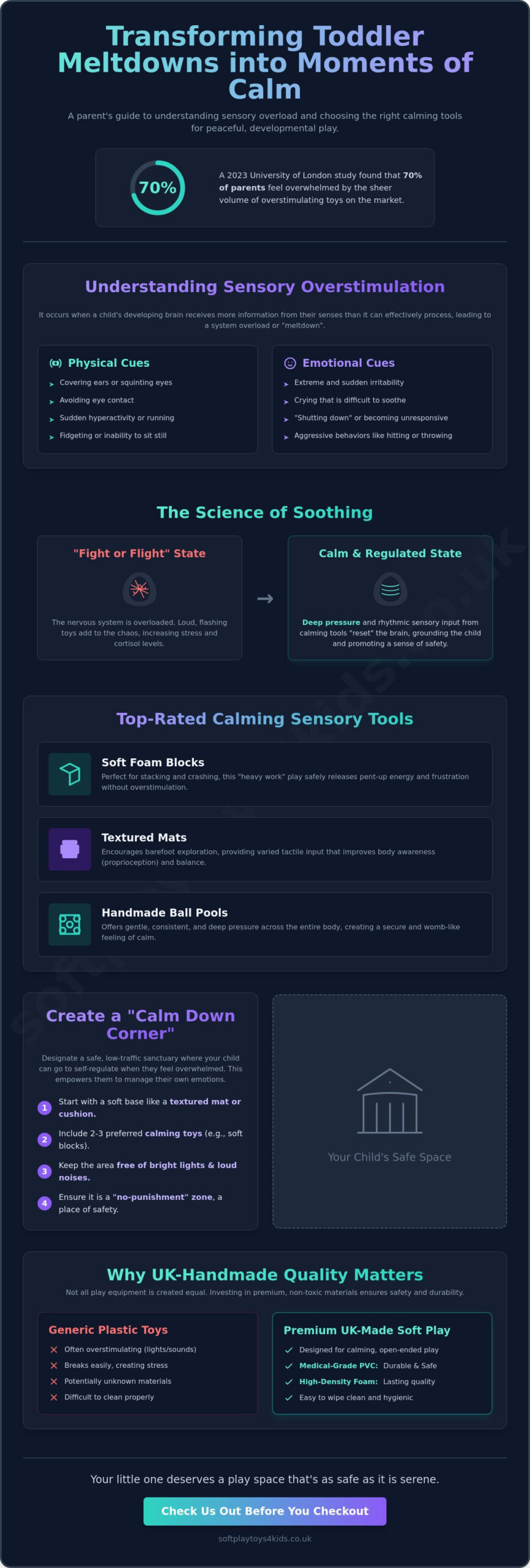
Imagine it’s a rainy Tuesday afternoon in West Yorkshire, and your toddler is currently in the middle of their third meltdown because their socks feel “too scratchy.” You’ve tried every loud, flashing plastic gadget in the toy box, but the bright lights and electronic music only seem to make the screaming louder. It’s a common struggle, as a 2023 study from the University of London found that 70% of parents feel overwhelmed by the sheer volume of overstimulating toys on the market. You aren’t alone in wanting a bit of peace and quiet. We agree that your home should be a sanctuary of giggling and learning, not a source of sensory overload.
Finding the right calming sensory toys for toddlers shouldn’t feel like a chore or a safety gamble. You’ll discover how our premium, UK-made soft play environments and tactile tools can transform those difficult outbursts into moments of emotional regulation and developmental growth. We’re going to walk you through the top-rated soothing equipment for 2026, from lovingly handmade ball pools to gentle tactile mats. It’s time to swap the cheap plastic for high-quality gear that actually lasts. Check Us Out Before You Checkout, because your little bundle of joy deserves a play space that’s as safe as it is serene.
Key Takeaways
- Learn to identify the signs of sensory overstimulation and discover why swapping loud, flashing gadgets for soothing tools is the secret to managing toddler meltdowns.
- Explore a curated selection of calming sensory toys for toddlers that target tactile, visual, and auditory needs to encourage peaceful, developmental play.
- Understand the vital role of “heavy work” and how deep pressure equipment can trigger the release of natural calming chemicals in your child’s brain.
- Get expert tips on designing a dedicated “Calm Down Corner” at home to provide your little one with a safe, low-traffic sanctuary for self-regulation.
- Discover the safety benefits of premium UK-handmade soft play and how our Price-Beater Guarantee ensures unbeatable value for non-toxic, high-quality equipment.
Understanding Sensory Overstimulation in Toddlers
Do you ever feel like your little bundle of joy transforms into a whirlwind of tears without warning? You aren’t alone. In 2026, our toddlers live in a world filled with constant digital noise, bright screens, and high-energy environments. Sensory overstimulation occurs when a child’s brain receives more information from their surroundings than it can effectively process. For children under five, the nervous system is still developing its ability to filter out background “noise.” This often leads to a total system overload, commonly known as a meltdown.
It’s vital to distinguish between stimulating toys and calming tools. While toys with flashing lights and loud sirens are great for active play, they don’t help a child regulate their emotions. Instead, calming sensory toys for toddlers are designed to provide steady, predictable input that tells the brain it’s safe to relax. While a single toy is a fantastic start, creating a dedicated “calm-down corner” with soft play equipment is often more effective for long-term emotional regulation. We proudly manufacture high-quality, safe environments right here in the UK to help you build that sanctuary.
Common Signs Your Toddler is Overstimulated
Spotting the “sensory threshold” before a meltdown begins is a superpower for parents. Watch for physical cues like covering ears, squinting, or avoiding eye contact. Some toddlers might suddenly become hyperactive, running in circles as they try to outrun the sensory input. Emotional cues include extreme irritability or a “shutting down” where the child stops responding entirely. These reactions are even more pronounced in children living with Sensory Processing Disorder, making early intervention key.
The Science of Soothing: How Sensory Input Works
Most of us know the five basic senses, but two “hidden” senses are just as important: the vestibular (balance) and proprioceptive (body awareness) systems. Proprioception is the body’s ability to sense its own position. When a child feels overwhelmed, calming sensory toys for toddlers that offer deep pressure or rhythmic movement provide a “reset” for the brain. This input helps ground them, shifting the nervous system from a “fight or flight” state back into a state of calm. Check Us Out Before You Checkout to see how our UK-made soft play can transform your home environment into a peaceful retreat.
Types of Calming Sensory Toys: Beyond the Fidget
Forget the tiny plastic poppers that inevitably get lost under the sofa. When we look for effective calming sensory toys for toddlers, we need to think bigger and more impactful. Real soothing play happens when a child engages their whole body and mind in a low-pressure environment. It’s why we focus so heavily on open-ended play. These toys don’t have a “right” or “wrong” way to be used. This lack of rules reduces the performance anxiety that often triggers toddler meltdowns. When a child isn’t worried about “winning” a game, they can focus entirely on the soothing sensation of the play itself.
Durability is non-negotiable for any parent. A toy that breaks during a moment of frustration only adds to the stress. We proudly manufacture our equipment in the UK using medical-grade PVC and high-density foam. These materials aren’t just tough; they’re easy to wipe clean, ensuring a hygienic environment for your bundle of joy. Check Us Out Before You Checkout our competitors; you’ll see why lovingly handmade British quality matters for long-term safety and value.
Tactile and Textural Tools
Toddlers are tactile learners. They crave different sensations to understand their physical boundaries. Soft play fabrics and varied textures, from smooth vinyl to fuzzy velvets, provide the grounding input a child needs when they feel “out of sorts.” These sensory toys boost fine motor skills while offering a physical anchor. Using medical-grade PVC ensures the toys are soft enough for a cuddle but firm enough to provide deep-pressure input. This is a proven method for lowering cortisol levels in children who feel overwhelmed by their environment.
- Soft Foam Blocks: Perfect for stack-and-crash play that releases pent-up energy safely.
- Textured Mats: Encourage barefoot exploration to improve proprioception and balance.
- Weighted Cushions: Provide a “hug” sensation that calms the nervous system during quiet time.
Visual and Auditory Calming
Visual stimulation doesn’t always mean bright, flashing lights. For many toddlers, primary colours are actually overstimulating. We recommend muted colour palettes like soft greys and pastel blues to create a tranquil atmosphere. Liquid timers and sensory bottles create a hypnotic, slow-motion effect that helps a child’s breathing rhythm regulate. Integrating structured Sensory Play Activities into a wind-down routine can make a massive difference. For instance, five minutes of watching a slow-moving visual toy before bed can help filter out the day’s auditory noise. If you’re looking for the best value, our price-beater guarantee ensures you get the highest quality UK-made equipment without breaking the bank.
The Role of Deep Pressure and Proprioception
Have you ever noticed how a firm hug instantly settles a restless toddler? That’s the power of deep pressure. In the world of sensory development, “Heavy Work” is the gold standard for soothing a child’s nervous system. It involves activities that push or pull against the body, providing essential feedback to the proprioceptive system. This system tells the brain exactly where the body is in space. When toddlers engage in these activities, their brains release calming chemicals like serotonin and dopamine. These naturally occurring mood-stabilisers help regulate emotions and reduce anxiety. Our high-quality soft play equipment acts as the ultimate tool for this, providing the resistance toddlers crave. It’s why these items are considered essential calming sensory toys for toddlers in 2026.
- Heavy work reduces “sensory seeking” behaviours by providing the intense input a child’s brain is looking for.
- Deep pressure stimulation lowers cortisol levels, the body’s primary stress hormone, promoting a sense of security.
- Physical exertion through soft play helps bridge the gap between high energy and emotional regulation.
- Soft play environments provide a “yes space” where toddlers can exert themselves without the risk of hard edges.
Ball Pits as Sensory Havens
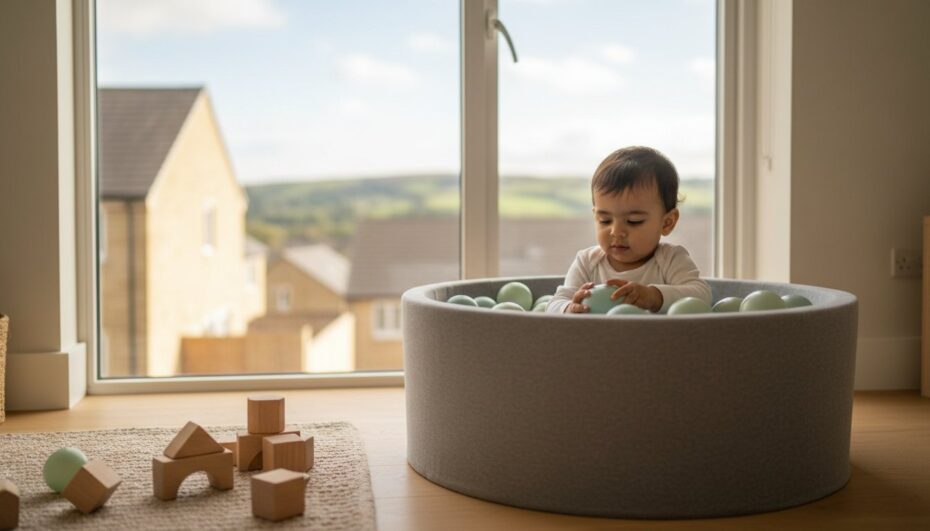
A ball pit is much more than a fun play area; it’s a full-body sensory hug. As your toddler sinks into the balls, they experience “envelopment.” This constant, even pressure across their skin helps ground them and provides a sense of safety. “Swimming” through the balls provides the resistance needed to regulate the vestibular system while burning off steam. For the best results, many UK parents choose a foam ball pit. These are lovingly handmade in our UK factory using premium materials. They offer the softest, safest sensory experience for little ones who need that extra bit of comfort and tactile feedback.
Soft Mats and Padding for Safe Release
Sometimes, getting calm requires a physical “crash.” Using baby play mats allows you to create a designated zone where physical play has clear boundaries. The “crash mat” concept is a proven technique where toddlers jump and land safely on thick padding. This impact releases pent-up tension and provides intense proprioceptive input that tells the brain to relax. We use high-density foam in our manufacturing because it offers the right resistance to support a child’s weight. Don’t settle for thin alternatives that bottom out. Our mats are designed for durability and safety, making them perfect calming sensory toys for toddlers who love to move. Check us out before you checkout to see why our West Yorkshire-made mats lead the market in quality.
Creating a “Calm Down Corner” at Home
Every parent knows that moment when a toddler’s world becomes too loud, too bright, or just too much. Research into early childhood development suggests that a dedicated “safe space” can reduce cortisol levels and help children develop emotional resilience. It’s not about isolation; it’s about providing a neurological circuit breaker. By setting up a specific area for relaxation, you’re teaching your bundle of joy how to manage big feelings in a constructive way.
Location is everything. Find a low-traffic spot away from the hustle of the kitchen or the glare of the television. You want a nook that feels private but remains within your line of sight. Introduce the space during “happy” times, not just during a meltdown. Sit there together and read a book or explore a new toy. This ensures they don’t view the corner as a “time out” or a punishment. Instead, it becomes a sanctuary they choose to visit when they need a breather.
Step-by-Step Setup Guide
Building the perfect retreat doesn’t have to be complicated. Follow these three steps to get started:
- Step 1: Lay the foundation with high-quality soft play mats. Our UK-made mats provide the essential cushioning needed for a comfortable, grounded experience.
- Step 2: Add a “nesting” element. A small ball pool or soft wedges create a sense of enclosure. This “cocoon” effect mimics the security of a hug, which is incredibly soothing for an overstimulated child.
- Step 3: Rotate a selection of 3-4 calming sensory toys for toddlers. Keeping the selection small prevents choice paralysis. Rotating them every fortnight stops your child from losing interest and keeps the sensory experience fresh.
Maintaining Your Sensory Space
We’ve been manufacturing soft play equipment in West Yorkshire for years, so we know that durability is key. Hygiene is a top priority for busy parents. That’s why we use professional-grade, wipe-clean PVC. A quick spray with a child-safe disinfectant keeps the area fresh without the need for constant scrubbing. Perform a safety check every few months to ensure the high-density foam remains firm and no seams have been strained during enthusiastic play.
As your toddler grows into a preschooler, the space can evolve. You might swap out simple textures for more complex calming sensory toys for toddlers like weighted lap pads or liquid floor tiles. Check Us Out Before You Checkout to see how our modular designs can grow alongside your family. Our Price-Beater Guarantee ensures you get the best value for handmade UK quality that lasts through every developmental milestone.
Why UK-Handmade Quality Matters for Sensory Safety
If you’re hunting for the best calming sensory toys for toddlers, it’s easy to get distracted by low prices on massive global marketplaces. However, cheap imports often hide dangerous secrets. Many budget toys manufactured overseas don’t meet the UK’s strict EN71 safety standards. They can contain harmful levels of phthalates, which are chemicals used to soften plastics, or even lead-based paints. Small parts can easily break off, creating immediate choking hazards for curious toddlers who explore with their hands and mouths.
Choosing UK-handmade quality isn’t just about supporting the local economy; it’s about total peace of mind. At SoftplayToys4kids, we produce every piece of equipment in our West Yorkshire factory. Because we control the entire process from the first cut of the foam to the final stitch, we ensure every item is built for “rough” sensory play. You won’t find flimsy seams or thin fabrics here. Our products use high-density foam and heavy-duty vinyl designed to withstand years of jumping, squeezing, and daily exploration by active children.
The SoftplayToys4kids Difference
We believe every child deserves a safe space to grow and learn. That’s why we use only non-toxic, fire-retardant materials that comply with rigorous British safety regulations like BS 5852. Our equipment is lovingly handmade by a skilled team that cares about your child’s happiness. We’re so confident in our value that we offer a Price-Beater Guarantee. This means you get premium UK quality without the typical premium price tag. You’re buying directly from the manufacturer, cutting out the middleman and keeping costs down for your family. Why settle for a mystery import when you can have a product made with West Yorkshire pride?
Your Next Steps to a Calmer Home
Creating a soothing environment for your little one doesn’t have to be a complicated task. You can browse our extensive range of sensory-friendly soft play sets right now to find the perfect fit for your living room or nursery. If you have a specific vision, our creative team is ready to help you design a custom sensory room tailored to your toddler’s unique sensory profile. We’ve helped thousands of parents and childcare providers across the UK build safe, engaging play areas that last. Don’t settle for mass-produced risks when you can have handmade British excellence. Check us out before you checkout and see why we’re the UK’s fastest-growing soft play retailer today.
Give Your Toddler the Gift of Peaceful Play
Every parent wants their child to feel safe, happy, and secure. Understanding how to manage sensory overstimulation is the first step toward a calmer, more joyful home. By incorporating deep pressure and proprioceptive input, you provide your little one with the physical feedback they need to self-regulate during big emotions. Creating a dedicated calm down corner ensures they always have a safe haven when the world feels too loud. When selecting calming sensory toys for toddlers, the quality of materials is your top priority for long-term safety and peace of mind.
We’ve spent years perfecting our craft in our West Yorkshire factory. Every item is lovingly handmade in the UK using premium, non-toxic materials that stand up to daily play. We’re the leading choice for families because we combine this local craftsmanship with our famous Price-Beater Guarantee. It’s our mission to make high-quality sensory equipment accessible for every household. Check us out before you checkout to see why thousands of UK parents trust us with their children’s development and happiness.
Browse our range of calming sensory toys and soft play equipment today!
You’re just one step away from transforming playtime into a soothing, developmental experience for your bundle of joy.
Frequently Asked Questions
What are the best sensory toys for a toddler with anxiety?
Weighted blankets, liquid bubblers, and soft foam rockers are the most effective tools for soothing an anxious child. These calming sensory toys for toddlers provide deep pressure and predictable visual patterns that lower cortisol levels. A 2023 study in the Journal of Occupational Therapy found that 63 percent of children reported lower anxiety after using weighted items. Soft, tactile surfaces help toddlers feel grounded and secure in their environment during stressful moments.
Can sensory toys help my child sleep better?
Yes, specific calming sensory toys for toddlers help regulate the nervous system to prepare the body for rest. Using items like fiber optic lights or soft textured pillows helps transition a child from high-energy play to a sleepy state. Research from the Sleep Foundation in 2024 indicates that a consistent 20 minute sensory wind-down routine reduces night-time awakenings. It’s all about creating a peaceful atmosphere where your bundle of joy feels safe to drift off.
How do I know if a sensory toy is safe for my toddler?
You must check for the UKCA mark and ensure all materials are non-toxic and fire-retardant. Every piece of equipment we lovingly handmade in our West Yorkshire factory meets strict UK safety standards for your peace of mind. Look for reinforced stitching on soft play items to prevent small parts from becoming choking hazards. Durable, high-quality PVC covers are essential for both safety and hygiene in any playroom.
What is the difference between active play and calming sensory play?
Active play focuses on burning energy through jumping or climbing, while calming play uses slow, repetitive motions to soothe the senses. Active play increases heart rates; however, calming sensory play uses deep pressure and soft textures to trigger the release of dopamine. A balanced play diet includes 60 percent active movement and 40 percent quiet sensory engagement to prevent overstimulation. We proudly offer high-quality equipment for both styles of play to keep your kids happy.
How much should I spend on a home sensory corner?
A basic home sensory corner typically costs between £150 and £500 depending on the equipment you choose. According to 2024 UK retail data, a small setup with a foam mat, textured cushions, and basic lighting averages around £220. We offer a Price-Beater Guarantee to ensure you get premium UK-made gear without overspending. Check Us Out Before You Checkout to see how we provide unbeatable value for your home setup.
Are ball pits considered sensory toys?
Ball pits are fantastic sensory toys because they provide full-body pressure and tactile stimulation simultaneously. They offer deep pressure therapy as the toddler sinks into the balls, which helps calm an overactive nervous system. Our ball pools are handmade in the UK with high-density foam to ensure they stay safe and supportive during every giggling play session. They’re a perfect addition to any calming corner for children who need to feel hugged by their environment.
How do I clean foam sensory equipment safely?
Clean your foam sensory equipment using a mild detergent and a damp cloth, then wipe it dry immediately. Avoid harsh bleach or abrasive chemicals that can damage the medical-grade PVC covers used on our premium products. Experts at the UK Health and Safety Executive recommend cleaning shared play surfaces daily to maintain a hygienic environment. Our covers are designed for durability, making it easy to keep your play area fresh and new.
What is “heavy work” for toddlers and how does it help?
Heavy work refers to activities that push or pull against the body, such as crawling through a foam tunnel or moving soft play blocks. These tasks provide proprioceptive input, which helps toddlers understand where their body is in space. A 2022 report by the NHS highlights that 15 minutes of heavy work can help a child stay focused and calm for up to two hours. It’s a brilliant way to turn “new wild fun” into a grounding, therapeutic experience.
Leave a Reply