
Soft Play Cleaning Routine That Actually Works
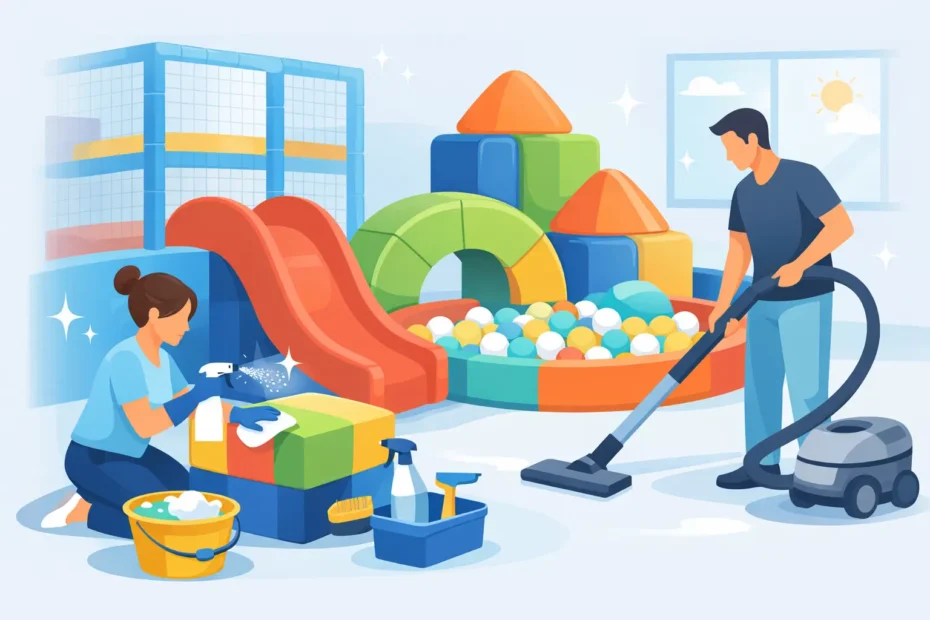
Sticky handprints on a step-and-slide, juice on a play mat, and a ball pit that looked clean yesterday but somehow does not today – that is exactly why a proper soft play cleaning routine matters. If you are buying for home use, a nursery, a school or a busy play centre, cleaning is not a side job. It is part of keeping children safe, protecting your investment and making sure your equipment stays bright, hygienic and ready for daily use.
Soft play is designed to be handled, climbed on, rolled across and enjoyed properly. That is the whole point. But the more use it gets, the more quickly sweat, spills, dust and germs build up on the surface. Leave that unchecked and even high-quality equipment will start to look tired before its time. Worse still, poor cleaning habits can affect hygiene standards and reduce the lifespan of the covers and foam.
Why a soft play cleaning routine matters
Parents and commercial buyers often focus first on layout, colours, safety and price. Fair enough. But maintenance is where long-term value is won or lost. A good soft play cleaning routine helps you keep equipment looking presentable, smelling fresh and performing as it should.
For home users, that means your child can play in a cleaner environment without you constantly worrying about every mark and spill. For nurseries, schools and soft play businesses, it means being ready for inspections, reassuring parents and keeping your setup fit for regular heavy use. Clean equipment also simply lasts better. Wipeable covers, well-maintained seams and properly dried surfaces hold up far more effectively than units left damp, dirty or cleaned with the wrong products.
There is also a commercial reality here. If you are running a play space, appearance matters. Parents notice. Staff notice. Visitors notice. A clean soft play area tells people you take safety and standards seriously. A grubby one tells them the opposite.
What to clean and how often
Not every piece of equipment needs the same level of attention. A baby mat used at home will not face the same daily wear as a ball pit in a nursery or a busy soft play centre. That is why the best routine is not about over-cleaning everything all day long. It is about cleaning the right items at the right frequency.
High-contact items should be checked and wiped daily. This includes play mats, ball pit edges, soft play blocks, crawl shapes, wedges, steps, balance beams and slides. Anything children are sitting on, climbing over or putting their hands on repeatedly should never be left until the end of the week.
Ball pit balls need a more structured approach. Spot cleaning visible marks is fine day to day, but they also need scheduled deeper cleaning because they are touched constantly and can collect dust and residue surprisingly quickly. In a home environment, that may mean a regular monthly clean with ad hoc top-ups. In a commercial setting, frequency usually needs to be far higher depending on footfall.
Less frequently handled equipment such as wall pads or post protectors may only need a regular wipe-down and visual inspection unless there has been a specific spill or messy play session.
A practical daily routine
The most effective soft play cleaning routine is simple enough to follow every day. If it is too complicated, it gets skipped. Start by clearing the area and checking for visible dirt, food, drink spills or anything sticky on the surfaces.
Use a clean cloth with a suitable child-safe cleaning solution designed for wipeable soft surfaces. You want the surface cleaned, not soaked. Too much liquid is a common mistake, especially on seams and zip areas. Wipe thoroughly, paying close attention to corners, handles, joins and high-touch points.
Once cleaned, allow everything to dry properly before children use it again. That sounds obvious, but rushing this part can leave surfaces damp and unpleasant. In commercial settings, it can also create an avoidable hygiene issue if equipment is put straight back into use.
This is also the right time for a quick condition check. Look for split seams, damaged covers, weakened fastening points or foam that seems misshapen. Cleaning and maintenance go hand in hand. Spotting wear early is always cheaper than replacing neglected equipment later.
Your weekly deeper clean
Daily wipe-downs handle the visible mess, but a weekly deeper clean is what keeps standards high. This is where you move beyond the obvious marks and clean the whole setup more thoroughly.
Take removable pieces apart where practical. Move shapes away from walls, clean undersides and inspect areas that often get missed. Mats should be lifted and the floor beneath checked and cleaned too. Dust and debris underneath equipment can quickly undo your regular surface cleaning if ignored.
For ball pits, clean the surrounding structure and make a plan for the balls themselves rather than treating them as an afterthought. In quieter home settings, that may be manageable in batches. In larger installations, it is worth having a clear rotation so you are never guessing when they were last properly cleaned.
This weekly session is also useful for checking whether your current routine matches actual use. If your equipment still looks excellent after a week, you are probably on the right track. If it already looks worn, sticky or dull, the schedule likely needs tightening.
Choosing the right cleaning products
This is where many people either overspend or accidentally cause damage. You do not need a shelf full of harsh chemicals to keep soft play clean. In fact, aggressive products can do more harm than good, especially on coated covers and stitched sections.
Choose cleaning products that are suitable for child play environments and appropriate for wipe-clean vinyl or PVC-style surfaces. Avoid anything abrasive. If a cleaner leaves heavy residue, strong odours or discolouration, it is not doing your equipment any favours.
It also pays to test a small hidden area first, especially if you are using a new product. Bright colours and bespoke finishes should stay bright. The whole point of quality soft play is that it looks good while standing up to real use.
If you are managing a nursery or commercial site, keep your staff routine consistent. Switching between random products from the cupboard is rarely a good sign. A standard approach is safer, easier to train and more reliable over time.
Ball pits need their own routine
If there is one area that needs extra discipline, it is the ball pit. It is one of the most popular features in any setup, and one of the easiest to underestimate when it comes to cleaning.
A proper ball pit cleaning plan should include daily visual checks, frequent surface cleaning of the pit sides and scheduled cleaning of the balls in batches or full cycles depending on usage. Children love ball pits because they are lively, sensory and engaging. That also means the balls are handled constantly, dropped, thrown and redistributed all day.
For domestic use, the cleaning schedule can be more flexible, especially if only one or two children use it regularly. For nurseries and commercial venues, there is much less room for guesswork. The heavier the use, the tighter the routine needs to be.
Home users versus commercial settings
The basics stay the same, but the pace is different. At home, your soft play cleaning routine can usually fit around play sessions and weekly household cleaning. The key is consistency. Clean little and often, deal with spills straight away and do not allow residue to build up.
In nurseries, schools and play centres, cleaning needs to be part of operations, not something squeezed in when there is time. Equipment is used by more children, more often, and expectations are naturally higher. You may also need written cleaning logs, assigned responsibilities and regular stock checks for replacement parts or extra mats.
That is where buying well at the start makes a real difference. Durable, wipe-clean, well-made soft play is easier to maintain than poor-quality alternatives that crack, fade or absorb problems over time. For many buyers, the cheapest option only stays cheap until cleaning becomes difficult and replacement costs arrive early.
Common mistakes to avoid
The biggest mistake is inconsistency. A rushed wipe once in a while is not a cleaning routine. Another is using too much liquid and not allowing surfaces to dry fully. That can affect both hygiene and product life.
It is also a mistake to treat damaged covers as a cleaning problem rather than a maintenance issue. If a seam has failed or a cover is split, no amount of wiping will solve that. It needs proper attention. Finally, do not ignore the floor underneath and around the equipment. Clean soft play on a dirty base area never really feels clean.
Build cleaning into the buying decision
A strong soft play cleaning routine starts before the first wipe. It starts with choosing equipment that is made for regular cleaning, daily use and long-term value. That is one reason many buyers prefer quality UK-made soft play with wipe-clean finishes and dependable build standards. It saves time, protects appearance and helps you keep standards where they should be.
If you are investing in soft play for home or commercial use, think beyond colours and shapes. Ask how easily each piece can be cleaned, how often it will be used and whether the materials are built for that level of demand. Softplay Toys4Kids works with families and trade buyers who want equipment that is not only safe and affordable, but practical to maintain too.
A clean play space does more than look better. It gives parents confidence, supports safer daily use and helps every mat, block and ball pit earn its keep for longer.
Leave a Reply