
Creating a Soft Play Area in Living Room: Creative Baby Proofing Ideas for 2026
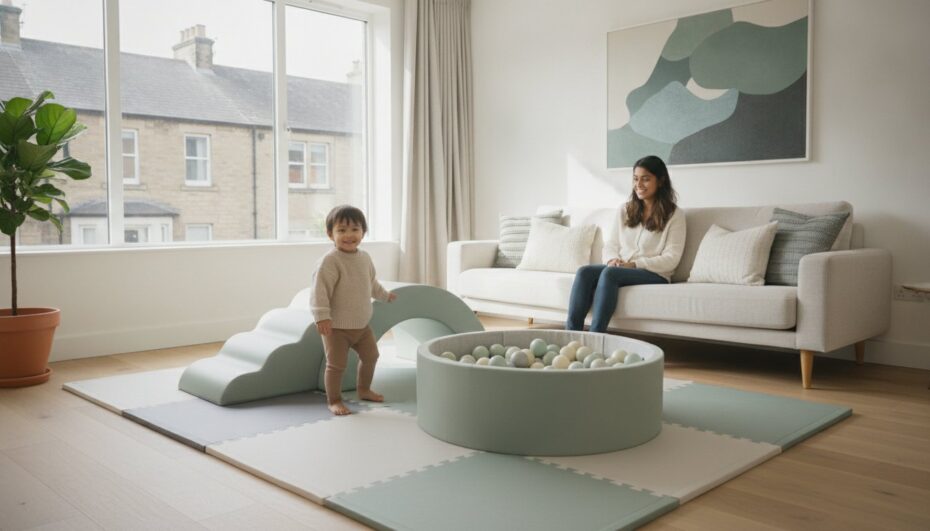
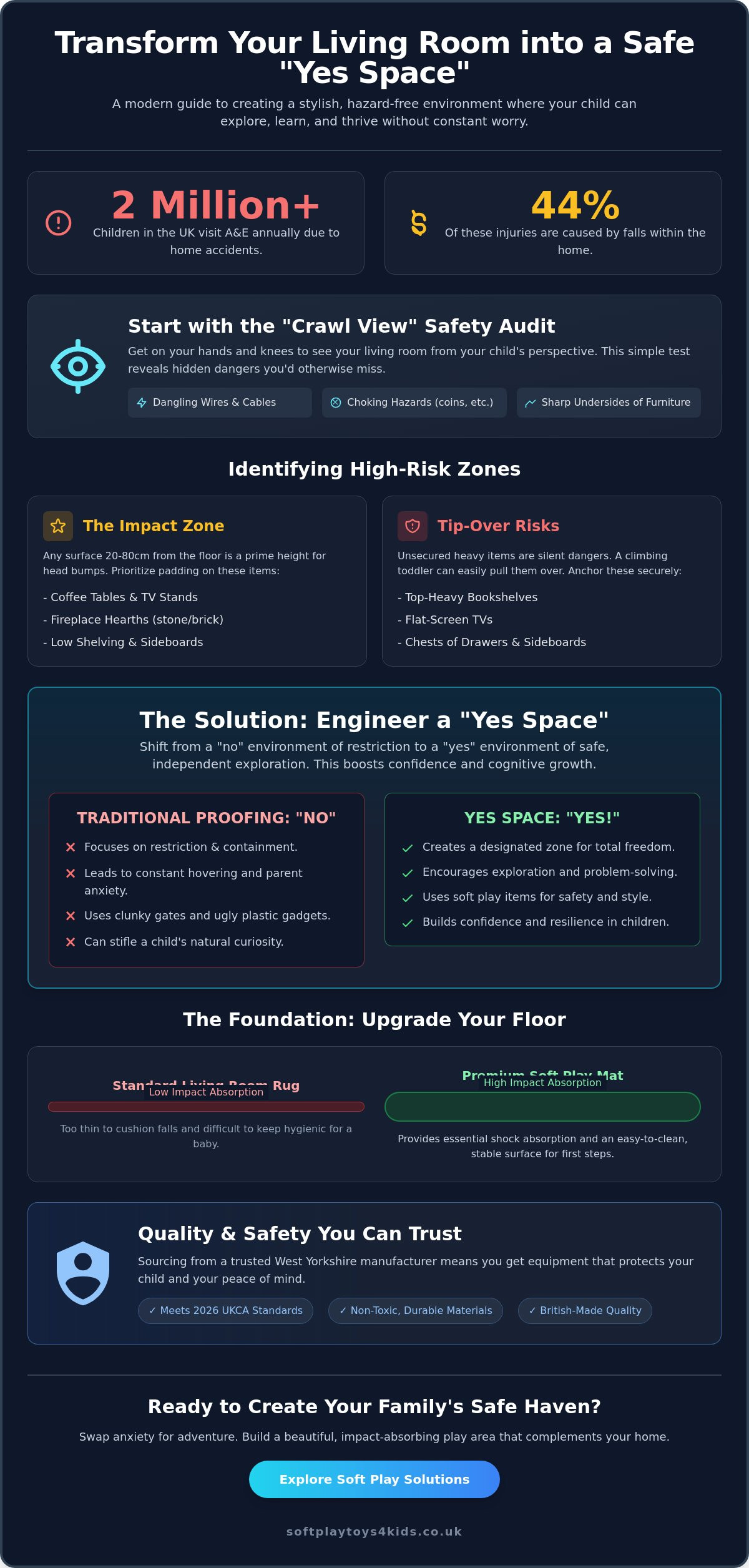
Did you know that over two million children in the UK visit A&E every year due to accidents at home, with falls accounting for 44% of those injuries? It’s a sobering statistic that keeps many parents awake at night. You want your little one to develop their motor skills, but the constant worry about sharp furniture or tipping hazards can turn your lounge into a zone of anxiety. That’s why creating a soft play area in living room layouts is the ultimate way to swap those “no” moments for safe, independent exploration.
We understand the frustration of trying to balance safety with style. You don’t want your home to look like a cluttered nursery filled with ugly plastic gadgets. This article promises to help you transform your living space into a high-end “Yes Space” that protects your child without sacrificing your interior design. We’ll preview a complete safety checklist, explore the latest 2026 UKCA standards, and show you how to use premium, British-made soft play equipment to create a beautiful, impact-absorbing haven for your family.
Key Takeaways
- Master the “Crawl View” test to identify hidden hazards from your baby’s perspective and perform a professional-grade safety audit of your lounge.
- Learn how to design a stylish “Yes Space” that encourages independent play and cognitive development while protecting your home’s aesthetic.
- Discover the secret to creating a soft play area in living room environments using premium, impact-absorbing mats and ball pits that meet 2026 UKCA standards.
- Get a comprehensive zone-by-zone checklist for securing high-risk areas like TV hubs and coffee tables without relying on unreliable DIY hacks.
- Find out why sourcing directly from a West Yorkshire manufacturer guarantees non-toxic, durable materials that outperform cheap international alternatives.
Identifying Living Room Hazards: Where to Start Your Safety Audit
Baby proofing isn’t about wrapping your home in bubble wrap and stopping all the fun. It’s about freedom. True proofing means creating an environment that allows for independent exploration with minimal risk. Your living room is the heart of the home, but it’s also a multi-functional space where heavy furniture, high-end electronics, and sharp decor collide. This makes it one of the most hazardous areas for a mobile infant. Before you start creating a soft play area in living room layouts, you need to see the world from their level.
Have you ever wondered what your coffee table looks like from 30cm off the ground? Get on your hands and knees. This ‘Crawl View’ test is vital because it reveals hazards you’d never notice from a standing position. You’ll spot the dangling cable behind the armchair, the tiny coin hidden under the sofa, and the sharp underside of the sideboard. Effective infant and toddler safety starts by categorising these risks. We distinguish between choking hazards, tip-over risks, and high-impact zones to build a comprehensive safety plan that doesn’t compromise your style.
The Impact Zone: Sharp Corners and Hard Edges
The Impact Zone is any surface between 20cm and 80cm from the floor. This is the prime height for head bumps as your little one learns to sit, crawl, and eventually ‘cruise’ along furniture. Coffee tables and TV stands are the primary sources of bruises and tears. While many parents try thin plastic strips, these often peel off or fail to absorb real force. For fireplace hearths made of stone or brick, you need specialised heavy-duty padding rather than just basic corner guards. High-density foam is the only way to turn a dangerous edge into a soft landing.
Tip-Over Risks: Heavy Furniture and Electronics
Heavy furniture and electronics pose a different kind of threat. Top-heavy bookshelves and unrestrained flat-screen TVs are silent dangers in communal spaces. You might think your sideboard is stable, but a determined toddler using a bottom drawer as a step can easily pull the whole unit down. It happens in seconds. Simple anchoring solutions, like furniture straps or brackets, provide maximum security. These don’t have to cause permanent wall damage, but they do offer priceless peace of mind. Identifying these hazards is the foundation for creating a soft play area in living room environments where your child can truly thrive.
Creating a “Yes Space”: The Modern Approach to Baby Proofing
You don’t need tall, clunky plastic gates to define this zone. You can use your existing furniture to naturally delineate the space. Position the back of your sofa to create a “wall” or use a low, padded ottoman to mark the entrance. This maintains the open-plan feel of your lounge while keeping the “Impact Zone” contained. To ensure you haven’t missed a single hazard during your layout planning, it’s helpful to consult the University of Georgia’s room-by-room safety checklist. It provides a professional framework for identifying risks that might be hidden in plain sight.
The Foundation: Choosing the Right Play Mat
Your standard living room rug might look great, but it won’t protect a baby who is learning to sit or crawl. Rugs are often too thin to absorb impact and can be a nightmare to keep hygienic. High-quality foam mats offer the perfect blend of shock absorption and easy cleaning. They provide a stable surface for those first wobbly steps while being soft enough to cushion a tumble. If you’re overwhelmed by the options, check out The Ultimate Guide to Choosing the Perfect Baby Play Mat for a detailed comparison of materials and styles.
The Buffer Zone: Using Soft Play as Safety Gear
Soft play equipment isn’t just for fun; it’s functional safety gear. A ball pit for kids can act as a brilliant “landing pad” for toddlers who are just starting to cruise along furniture. You can also use soft play blocks to create a “soft wall” around radiators or low window sills. This replaces hard, dangerous surfaces with forgiving foam. To understand the full developmental and safety benefits of these items, read our What is Soft Play? A Beginner’s Guide for Parents. By creating a soft play area in living room spaces, you are investing in a stylish, secure future for your family. Explore our range of British-made soft play mats today to begin your home transformation.
Essential Baby Proofing Gadgets vs. Creative Soft Play Solutions
Are you still relying on those cheap, stick-on plastic corners that fall off the moment your toddler touches them? It’s a common trap. While standard baby proofing gadgets have their place, creating a soft play area in living room zones requires a more robust approach. In 2026, magnetic locks have proven far superior to adhesive latches. They sit inside the cupboard, invisible to curious eyes, and won’t be ripped off by a determined two-year-old. On the other hand, popular DIY ideas like the ‘Tennis Ball Hack’ for sharp corners often fail professional safety tests. These balls are easily pulled off and can quickly become a choking hazard. You need solutions that are as durable as they are safe.
Professional Grade Padding for the Home
Professional safety padding manufactured in the UK must meet BS EN 1177 standards for impact attenuation. This isn’t just business jargon; it’s a guarantee of quality that plastic strips simply can’t match. When you move beyond basic gadgets, you’ll find that column padding and bespoke safety pads are the true heroes of home safety. Whether you have an awkward alcove, a structural pillar, or low windowsills in your lounge, custom-made padding turns a hard architectural risk into a soft, colourful feature. It’s about blending commercial-grade protection with the comfort of your home. Why settle for flimsy tape when you can have handmade, high-density foam protection?
Electrical and Cord Management
Electrical safety is another area where the ‘quick fix’ often fails. Sliding outlet covers are far better than plug-in versions because they can’t be pried out by tiny fingers. For cables, don’t just hide them; secure them. You can use several methods to keep your entertainment hub tidy and safe:
- Cable Trunking: This makes wires invisible and unreachable behind your TV stand.
- Decorative Baskets: A stylish way to house power strips and excess cord while keeping them out of reach.
- Lamp Tethering: Floor lamps need more than just a weighted base; tethering them to the wall prevents accidental falls during play.
Finally, ensure all window blinds are cordless. In a modern, child-friendly living room, cords are a strangulation risk that simply shouldn’t exist. By creating a soft play area in living room layouts with these professional details, you’re building a space where safety and style finally live together. We take pride in helping you achieve that peace of mind with products designed to last through every developmental milestone.
Zone-by-Zone Living Room Proofing Checklist for 2026
Relying on the “just watching them closely” method is a recipe for parental burnout. You need a systematic, repeatable plan to ensure every corner of your lounge is secure. Creating a soft play area in living room spaces works best when you tackle the room zone by zone. From the high-tech entertainment hub to the cosy social circle where you relax, each area presents unique challenges. This checklist ensures you don’t miss a single detail, giving you the confidence to let your little one explore while you finally take a breath.
Proofing the “Hard” Furniture
- Step 1: Apply edge guards or use high-density soft play mats to buffer all sharp surfaces below 1 metre. This is the critical height for toddlers learning to stand.
- Step 2: Install magnetic drawer locks on any unit containing breakables, heavy items, or electronics. They are far more secure than standard plastic latches.
- Step 3: Check for ‘finger pinch’ points. Reclining chairs, folding tables, and even some hinge gaps on sideboards can trap tiny fingers in an instant.
Securing the Floors and Walls
- Step 4: Secure loose rugs with professional-grade non-slip underlays. This prevents dangerous slips when your child is practicing their fastest crawl.
- Step 5: Anchor all furniture over 60cm tall directly to the wall studs. Use heavy-duty straps to ensure that even if a toddler climbs a bookshelf, it won’t budge.
- Step 6: Replace hard, floor-level decor with soft alternatives. Swapping out heavy vases for sensory toys adds developmental value while removing a significant hazard.
Ready to make your home the ultimate “Yes Space”? We manufacture all our equipment right here in West Yorkshire to the highest safety standards. Don’t settle for mass-produced alternatives that don’t last. Browse our full collection of soft play ball pits and mats to start creating a soft play area in living room environments that your family will love for years.
Why SoftplayToys4kids is the Trusted Choice for UK Parents
Why take risks with mass-produced imports when your child’s safety is on the line? At SoftplayToys4kids, we believe that creating a soft play area in living room environments should never be a compromise between quality and cost. By buying direct from our dedicated factory in West Yorkshire, you are cutting out the middleman and investing in premium British craftsmanship. Our West Yorkshire roots aren’t just a point of pride; they are your guarantee of quality assurance. We oversee every stage of production, ensuring that every mat, ball pit, and safety pad meets our rigorous internal standards before it ever reaches your front door.
Our commitment to your family starts with the materials we choose. We use only non-toxic, medical-grade PVC and high-density foam in every product we manufacture. This ensures that your play area is not only impact-absorbent but also incredibly easy to keep hygienic. Unlike cheap alternatives that crack or peel, our ‘commercial-grade for home’ philosophy means your safety gear is built to last for years. We use the same heavy-duty materials for your lounge that we provide for professional play centres across the country. If you have a unique home layout with awkward alcoves or structural pillars, we offer bespoke safety solutions. If we don’t stock the specific size you need, our factory can make it to your exact specifications.
Handmade Quality You Can Trust
Every piece we sell is hand-stitched and rigorously inspected for safety before leaving our Bradford factory. This hands-on approach is why domestic manufacturing beats mass-produced international imports every time. You get superior material longevity and the confidence that comes from knowing your equipment complies with UK fire safety and impact standards. We don’t just follow the rules; we set the bar for home safety. To learn more about identifying high-quality gear, take a look at The Ultimate Guide to Buying Soft Play Equipment for a deeper dive into our manufacturing process.
Ready to Secure Your Living Room?
Measuring your space is the first step toward creating a soft play area in living room zones that actually work for your family. Whether you need custom padding for a low windowsill or a large-scale play mat to cover a cold hardwood floor, our team is ready to assist. You can consult with our creative experts for custom “Yes Space” designs tailored specifically to your home layout. We take pride in being a trusted partner for UK parents who refuse to settle for anything less than the best. Browse our range of safety-first soft play mats and padding today!
Transform Your Lounge into a Safe Haven Today
You’ve seen how easy it is to swap parental anxiety for peace of mind by following a systematic safety audit and embracing the “Yes Space” philosophy. By focusing on the Impact Zone and securing your heavy furniture, you’re not just preventing accidents. You’re giving your child the freedom to grow and explore. Remember, creating a soft play area in living room spaces is about more than just fun. It’s about using professional-grade protection that stands up to the energy of a growing toddler while keeping your home stylish.
Why settle for generic imports when you can have the best? Our equipment is handmade in West Yorkshire, ensuring every piece meets commercial-grade safety standards like BS EN 1177. Because we sell direct to you, you get this premium quality at direct-from-manufacturer pricing. You deserve a home that feels like yours while remaining the safest place on earth for your little one. It’s time to stop worrying and start playing.
Create your safe “Yes Space” with our handmade UK play mats and padding!
Take that first step toward a stress-free home today. Your living room is ready for its transformation, and we’re here to help you every step of the way!
Frequently Asked Questions
When should I start baby proofing my living room?
You should start baby proofing your living room before your child becomes mobile, typically around the six-month mark. It’s much easier to identify hazards and install safety gear like cupboard locks or heavy-duty padding before you’re chasing a crawling infant. Getting ahead of the curve ensures your lounge is already a “Yes Space” by the time they start exploring. Don’t wait for the first bump.
Do I really need to anchor my TV if it’s on a heavy stand?
Yes, you must anchor your TV even if it sits on a heavy, stable-looking stand. Modern flat-screen TVs are often top-heavy and can easily tip forward if a curious toddler pulls on the screen or tries to climb the unit. It happens in seconds. Use heavy-duty anti-tip straps to secure the television directly to the wall studs or the back of the furniture for maximum security.
Are foam play mats safe for babies to crawl on all day?
High-quality foam play mats are perfectly safe for all-day crawling provided they meet UK safety standards for impact and toxicity. When creating a soft play area in living room settings, choosing mats made from medical-grade PVC and high-density foam ensures a hypoallergenic, wipe-clean surface. These materials provide the necessary shock absorption to protect wobbly infants from hard flooring. They stay durable through years of daily use.
How can I baby proof a fireplace hearth without it looking ugly?
You can baby proof a fireplace hearth stylishly by using custom-made safety pads instead of flimsy plastic strips. At SoftplayToys4kids, we manufacture bespoke padding in various colours that can blend seamlessly with your home decor. This approach turns a dangerous stone or brick edge into a soft, cushioned feature. It protects your child’s head without ruining the aesthetic of your living space.
What is the most common living room injury for toddlers?
Falls are the most common cause of living room injuries for toddlers in the UK, accounting for 44% of home accidents. These incidents often involve children tripping over loose rugs or bumping their heads on sharp furniture edges while learning to walk. This is why creating a soft play area in living room zones with impact-absorbing mats and professional edge protection is so vital. It prevents serious trips to A&E.
Can I use soft play equipment in a small living room?
You can definitely use soft play equipment in a small living room by choosing modular or multi-functional pieces. Items like individual soft play blocks or foldable mats can be easily rearranged or tucked away when not in use. This allows you to create a temporary, high-safety play zone that doesn’t permanently take over your entire communal living space. Flexibility is the key to small-space safety.
How do I clean baby proofing adhesive off my furniture later?
You can usually clean baby proofing adhesive off furniture by using a small amount of vegetable oil or a dedicated adhesive remover. Gently warm the adhesive with a hairdryer first to soften the bond, then peel it back slowly. Any remaining residue can be wiped away with a soft cloth and soapy water. This ensures your furniture remains in excellent condition once the proofing is no longer needed.
Are the materials used in SoftplayToys4kids products non-toxic?
Every product we manufacture uses non-toxic, medical-grade PVC and high-density foam that is completely safe for children. We take pride in our West Yorkshire manufacturing process, ensuring all materials meet strict UKCA and fire safety regulations. You don’t have to worry about harmful chemicals or contaminants. Our handmade gear is designed to provide a premium, safe environment for your little ones to play and thrive.
Leave a Reply