
Soft Play for Occupational Therapy: A Guide to Therapeutic Play Spaces
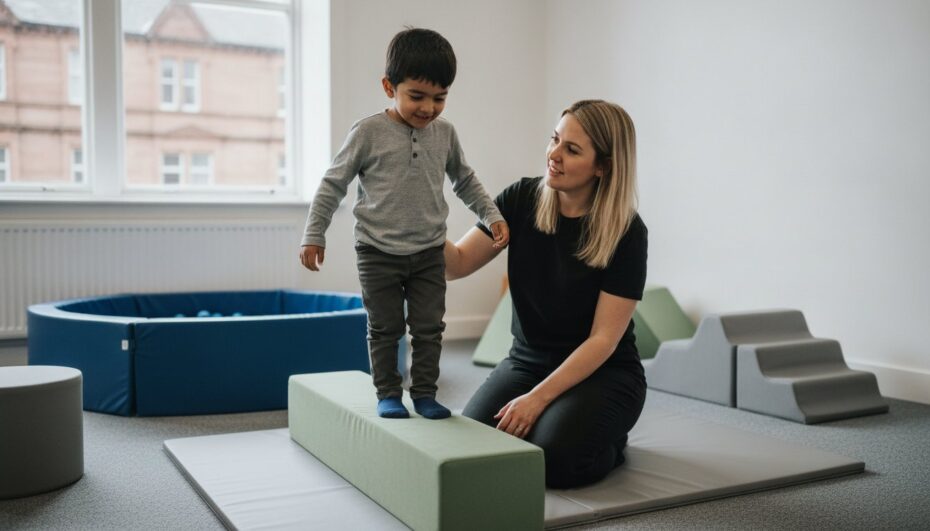
What if the most effective clinical tool for your child’s development isn’t a complex machine, but a precision-engineered play space? We know the frustration of watching a child struggle with coordination while using flimsy, off-the-shelf toys that simply aren’t up to the task. You deserve equipment that works as hard as you do. You’re looking for durable, UK-manufactured solutions that provide the deep sensory input and safety required for real progress.
This guide explains how specialized soft play for occupational therapy transforms therapeutic goals into tangible outcomes. We’ll show you how to select premium gear that meets rigorous 2026 safety standards, ensuring your space is as secure as it is effective. We’re confident that once you see the difference professional-grade craftsmanship makes, you’ll never look at standard play equipment the same way again. We’ll cover sensory regulation, motor skill development, and the essential pieces you need to build a space that truly lasts.
Key Takeaways
- Understand why soft play for occupational therapy provides a fail-safe environment for children to push physical limits and master motor skills safely.
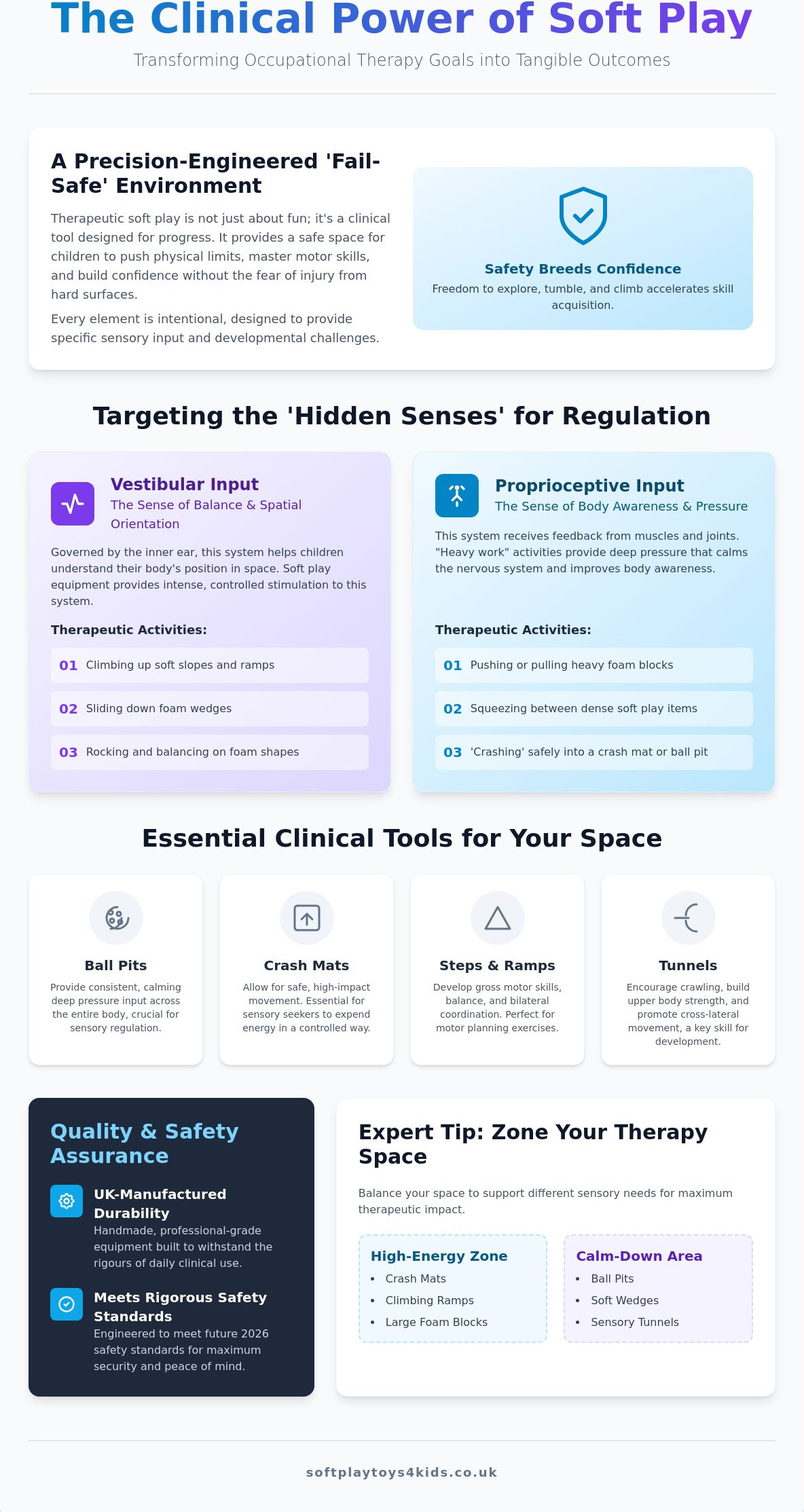
- Discover how to target the ‘hidden senses’ by using specific equipment to provide essential vestibular and proprioceptive input.
- Identify the must-have clinical tools, including ball pits for deep pressure and crash mats for high-impact sensory regulation.
- Learn why UK-manufactured, handmade equipment offers the premium durability and safety required for professional clinical settings.
- Get expert tips on zoning your therapy space to balance high-energy movement with essential calm-down areas for maximum therapeutic impact.
The Role of Soft Play in Occupational Therapy
Soft play for occupational therapy is more than just a room full of cushions; it’s a precision-engineered clinical tool. By using Occupational therapy principles, we’ve developed padded, foam-based environments that facilitate movement and growth. These spaces aren’t just for fun. They are designed to help children master their bodies in a world that can often feel overwhelming. Unlike standard play areas, therapeutic spaces are built with specific developmental goals in mind, ensuring every tumble and climb contributes to a child’s progress.
Why does this approach work so well? It’s because it creates a ‘fail-safe’ environment. When you invest in soft play for occupational therapy, you’re giving a child the freedom to push their physical limits without the fear of falling on hard surfaces. This safety allows them to focus entirely on sensory integration, building core strength, and emotional self-regulation. We’re proud to manufacture equipment that bridges the gap between clinical necessity and childhood joy. The difference between standard play and therapeutic play is intentionality; every slope, step, and mat we create serves a specific developmental purpose.
Play with Purpose: Beyond the Ball Pit
Therapists often use these spaces for ‘heavy work’. This isn’t about lifting weights; it’s about providing the deep pressure input that calms a child’s nervous system. We use premium foam with specific densities to ensure the equipment provides the right resistance for muscle development. It’s about creating a holistic environment where every texture and density matters. You can learn more about how small-scale tools complement these larger spaces in our Sensory Toys guide, which explores how to boost development through varied tactile experiences.
Who Benefits from OT-Focused Soft Play?
The beauty of a tailored soft play area is its versatility. Children with Autism Spectrum Disorder (ASD) often use these spaces to find emotional regulation through tactile and proprioceptive input. For children with Dyspraxia or DCD, soft play is a vital training ground for motor planning and coordination. It’s a controlled, predictable setting where sensory seekers can get their energy out safely, while sensory avoiders find a comforting, soft retreat. For children who rely on a high-quality electric wheelchair UK for mobility, these soft environments provide a safe space to develop the core stability needed for daily independence. We don’t just make play equipment; we build the foundations for a more confident life. Whether it’s a single corner or a full clinic, our UK-made gear is designed to handle the rigours of daily therapeutic use while keeping children smiling.
Sensory Integration: Vestibular and Proprioceptive Input
Most people are familiar with the five basic senses, but in a clinical setting, we focus heavily on the “hidden” systems: the vestibular and proprioceptive senses. The vestibular system, located in the inner ear, governs balance and spatial orientation. Meanwhile, the proprioceptive system provides feedback from muscles and joints about body position. Using soft play for occupational therapy allows us to target these systems with incredible precision. While some might suggest using couch cushions at home, they simply don’t offer the consistent foam density required for predictable therapeutic feedback. Our professional-grade equipment ensures that every movement provides the exact level of resistance a child needs to regulate their nervous system.
Climbing up soft slopes or sliding down foam wedges provides intense vestibular stimulation that helps a child understand where their body is in space. We also design our equipment to offer resistance. Squeezing between heavy soft blocks or “crashing” into a dense foam pit provides the deep pressure input many sensory seekers crave. This type of “sensory diet” is essential for helping children reach a state of calm alertness. To ensure your setup meets the highest clinical standards, we recommend following the guidelines found in the Public Playground Safety Handbook, which highlights the importance of impact attenuation in play spaces.
Developing Gross Motor Skills
Gross motor development relies on a child’s ability to coordinate large muscle groups. By using our soft steps and ramps, children practice bilateral coordination and balance in a setting where they can’t get hurt. Crawling through tunnels is another fantastic exercise; it builds upper body strength and encourages cross-lateral movement, which is the ability to use both sides of the body together. These activities are vital for mastering “midline crossing,” a skill that’s foundational for later tasks like reading and writing. If you’re building a clinical space, starting with high-quality soft play mats provides the stable foundation needed for these movements.
Fine Motor Refinement in a Soft Environment
We don’t just focus on the big movements. A well-designed therapeutic space integrates opportunities for fine motor work. You can easily incorporate smaller sensory toys into larger soft play structures to keep engagement high. For example, using Velcro-attached soft shapes requires a child to use a pincer grasp and significant hand strength to pull them apart. Even a simple ball pit serves a dual purpose; searching for a specific hidden toy among the balls targets hand-eye coordination and fine motor precision. We’re proud to offer equipment that handles these repetitive, high-intensity therapeutic tasks while remaining soft to the touch and easy to clean.
Must-Have Soft Play Equipment for Therapy
Do you know which specific pieces of equipment turn a standard playroom into a clinical powerhouse? Selecting the right soft play for occupational therapy is about matching a child’s sensory needs with high-performance manufacturing. We don’t settle for flimsy imports; we build tools that withstand the rigours of daily therapeutic sessions. From deep-pressure ball pools to high-density crash mats, each item serves as a building block for a successful play-based occupational therapy intervention. When a space is designed with intentionality, every tumble becomes a learning opportunity.
A comprehensive therapy room should include a variety of shapes and structures to target different developmental milestones. We recommend focusing on these essentials:
- Crash Mats: Critical for high-impact jumping and safe landings, providing the necessary impact absorption to prevent injuries.
- Soft Play Wedges and Steps: These are perfect for incline and decline walking, which challenges a child’s core stability and balance.
- Tunnels and Cubes: These encourage exploration and “den-making,” offering a sense of emotional security for children who feel overwhelmed.
- Safety Padding: Covering hard corners or pillars ensures the environment remains a “fail-safe” zone for energetic movement.
The Therapeutic Value of Ball Pits
Why are ball pits considered the gold standard for treating tactile defensiveness? It’s all about the constant, multi-point tactile feedback they provide. As a child moves through the balls, their brain receives a steady stream of information about where their body is in space, aiding in proprioceptive “mapping.” We focus on using the right ball density to ensure maximum sensory feedback without compromising on safety. A well-constructed ball pool is a versatile tool that can be used for both high-energy “diving” and calm, deep-pressure immersion.
Protective Padding and Floor Mats
The foundation of any successful therapy room is high-quality flooring. While they might look simple, professional baby play mats are engineered to support unstable joints and provide a predictable surface for movement. We use high-density foam that doesn’t “bottom out” under a child’s weight, which is a common failure point for cheaper alternatives. Hygiene is just as important as durability in a clinical setting. That’s why our mats feature easy-clean PVC surfaces that meet strict clinical standards. Don’t risk your child’s safety on flimsy equipment; choose UK-made padding that is built to last and designed to protect.
Quality and Safety: Why British Manufacturing Matters
Why settle for anything less than the best when it comes to your child’s therapeutic progress? Cheap imports often look great in online photos, but they quickly fail the durability test in a high-frequency clinical environment. At SoftplayToys4kids, we set a higher standard. Every piece of equipment is handmade in our West Yorkshire factory, where we control every stitch and seam. When you choose soft play for occupational therapy from a domestic manufacturer, you aren’t just buying foam; you’re investing in peace of mind and long-term performance. We don’t cut corners because we know that safety and reliability are your top priorities.
Safety isn’t just about padding; it’s about the materials used in the manufacturing process. We use non-toxic, phthalate-free, and fire-retardant materials as standard for all our products. Our reinforced stitching is specifically designed to handle “heavy work” and the high-energy impact of sensory-seeking play. Compare our craftsmanship to high-street alternatives, and you’ll see why we are the superior choice for professional clinical environments. We take immense pride in our local manufacturing roots, ensuring that every mat and ball pool meets rigorous UK safety standards before it ever reaches your door.
Bespoke Design for Unique Needs
Every child is different, and their therapy space should reflect that. We offer customisation options that high-street retailers simply can’t match. Whether you need to adjust foam density for a child with specific physical disabilities or tailor equipment sizes to fit a small home therapy corner, our team is here to help. We also work closely with educational providers to design and manufacture indoor playground equipment for schools that balances high-capacity use with specific therapeutic requirements. This hands-on approach ensures your equipment is a perfect fit for your specific goals.
Durability for Commercial and Clinical Use
Our “commercial-grade” construction is built to last. While high-street toys might degrade after a few months of intense use, our British-made gear remains resilient year after year. Investing in quality saves you money over time by eliminating the need for frequent replacements. Maintenance is also straightforward; our premium PVC covers are designed for easy cleaning, allowing you to keep your therapy space sterile and safe with minimal effort. This durability is essential for clinics where multiple children use the equipment daily. Ready to upgrade your space? Explore our full range of British-made soft play equipment today and feel the difference that premium craftsmanship makes.
Setting Up Your Occupational Therapy Play Space
How do you turn a spare corner or a clinical hall into a powerhouse of development? It starts with a clear assessment of your available square footage. Whether you’re working with a small bedroom or a purpose-built clinic, soft play for occupational therapy is most effective when it’s zoned correctly. We recommend splitting your space into two distinct areas: a “high-energy” zone for vestibular stimulation and a “calm-down” zone for proprioceptive regulation. This simple division helps children understand the expectations of the space, making transitions between active play and focused work much smoother. We’re confident that a well-planned layout is the first step toward better therapeutic outcomes.
Budgeting for your setup doesn’t have to be overwhelming. We always suggest starting with the foundation: high-density floor mats and basic safety padding. Once your floor is secure, you can add specialized pieces like ball pools or wedges based on your child’s specific milestones. We’re proud to be a hands-on manufacturer that helps you scale your space over time. If you’re looking for a completely tailored solution, our team can provide a custom quote that fits your specific dimensions and clinical goals. We don’t just sell foam; we provide the blueprint for progress.
Home-Based Therapy Areas
Creating a therapy area at home is a game-changer for daily progress. By selecting modular soft play equipment, you can build a system that grows alongside your child’s abilities. This isn’t just about scheduled therapy sessions; it’s about integrating therapeutic movement into their daily play routines. A quick crawl through a tunnel before dinner or a few minutes of “heavy work” in a ball pit can make a massive difference in emotional regulation. Just remember to perform regular safety checks to ensure every seam remains tight and every mat stays in place. Your home should be a sanctuary of safe, productive play.
Professional Clinic and School Installations
For schools and professional clinics, the requirements are even more rigorous. You need to meet specific UK safety regulations, such as BS EN 1176 and BS EN 1177, to ensure your public play space is compliant and safe. With over 40,000 playground injuries occurring annually in the UK, primarily from falls, we take impact-absorbing surfaces very seriously. Our professional installation teams are experts at creating a seamless, polished finish that stands up to the demands of commercial use. We handle the heavy lifting so you can focus on the children. Ready to transform your facility? Contact us today for a bespoke design and installation quote and let’s build something extraordinary together.
Start Building a More Confident Future Today
Are you ready to transform your clinical or home space into an environment where every movement leads to a breakthrough? We’ve seen how the right foam density and intentional zoning turn a simple room into a clinical powerhouse. By prioritizing vestibular and proprioceptive input, you’re giving children the essential tools they need to master their bodies and regulate their emotions. Investing in professional-grade soft play for occupational therapy means choosing equipment that won’t bottom out or fail when it’s needed most. It’s about creating a foundation where progress is inevitable; to further support these developmental goals, you can discover RED Physiotherapy for expert rehabilitation services.
We take immense pride in our craftsmanship. Every piece we produce is handmade in our West Yorkshire factory using UK safety certified materials. It’s why we’re trusted by schools and therapists nationwide to deliver durability that lasts through years of “heavy work.” Don’t settle for flimsy alternatives that compromise on safety or therapeutic value. Your child’s happiness and development are worth the investment in premium, British-made quality. We’re confident that our equipment will provide the safe, stimulating environment your therapy goals require.
Explore our professional-grade soft play equipment handmade in the UK and take the first step toward a safer, more effective therapy space today. We’re here to help you build a brighter, more active future for every child in your care.
Frequently Asked Questions
What is the best soft play equipment for sensory seekers?
Ball pits and crash mats are the premier choices for sensory seekers. These pieces provide the intense tactile and proprioceptive input these children crave. Ball pits offer deep pressure immersion, while crash mats allow for safe, high-energy “heavy work” jumping. We design our equipment to be exceptionally durable, ensuring it stands up to the repetitive, vigorous play that sensory seekers need to help regulate their nervous systems.
How do I clean soft play equipment used in a clinical setting?
Use a mild detergent or a clinical-grade, non-bleach disinfectant wipe on the PVC surfaces. Our equipment features premium, non-porous covers that are specifically designed for easy maintenance in high-traffic areas. Regular cleaning is vital for maintaining hygiene standards in clinical and school settings. We recommend a daily wipe-down to ensure the play space remains sterile and safe for every child who uses the equipment during their therapy sessions.
Can soft play help with a child’s balance and coordination?
Yes, soft play is a powerful tool for improving balance and coordination. Using steps, slopes, and balance beams in a soft play for occupational therapy setting directly challenges a child’s vestibular system. This safe environment allows them to practice bilateral coordination and spatial awareness without the fear of falling on hard floors. It’s about building physical confidence through repetitive, successful movements in a controlled, impact-absorbing space.
Is soft play equipment safe for children with physical disabilities?
Soft play is exceptionally safe for children with physical disabilities when used under appropriate supervision. The impact-absorbing surfaces provide a “fail-safe” zone where they can practice movement and weight-bearing exercises without the risk of injury. We can even customize the foam density to offer extra support for unstable joints or specific postural needs. It’s about creating a predictable, supportive environment that encourages physical exploration and builds motor confidence.
What foam density is best for therapeutic crash mats?
We recommend using high-density foam with a minimum of 30kg per cubic meter for therapeutic crash mats. This level of density is essential to prevent a child from “bottoming out” during high-impact jumps or landings. Unlike standard play foam, our clinical-grade material provides consistent resistance and superior impact absorption. This ensures the equipment remains supportive and safe even after years of heavy use in a professional occupational therapy clinic or school.
How much space do I need for a home sensory play area?
You can create an effective sensory area in as little as a four-square-meter corner. While a full room is ideal, modular equipment like corner ball pits and foldable mats allows you to maximize even the smallest spaces. This flexibility makes soft play for occupational therapy accessible for home use. You don’t need a massive budget or a dedicated wing to provide your child with high-quality, therapeutic sensory input every single day.
Why is UK-made soft play better than cheap imports for OT?
UK-made equipment is superior because it adheres to rigorous British safety standards and uses premium materials. Our gear is handmade in West Yorkshire with reinforced stitching and non-toxic, fire-retardant PVC. Cheap imports often use lower-density foam that degrades quickly under clinical use. By choosing domestic manufacturing, you’re investing in durability and safety that simply can’t be matched by mass-produced international alternatives. We take pride in every seam.
Can I customise the size of soft play blocks for my clinic?
Yes, we can certainly customize the dimensions of our soft play blocks to suit your clinic. Because we are a proud UK manufacturer with a hands-on production process, we have the flexibility to tailor equipment to your exact specifications. Whether you need to fit a specific alcove or require blocks of a certain height for specific motor tasks, our team can help. This bespoke service ensures your therapeutic space is perfectly optimized for your specific goals.
Leave a Reply