
Safe Toddler Climbing Toys: UK Buyer Guide 2026
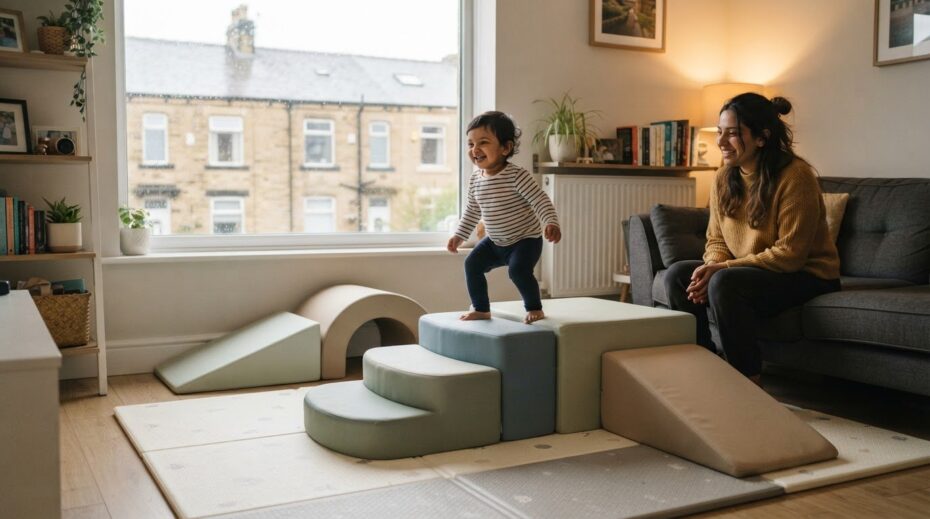
What if the secret to stopping dangerous living room tumbles isn’t discouraging your child from climbing, but giving them the right equipment to conquer? Every parent knows the heart-stopping panic when an adventurous two-year-old scales the sofa arm on a rainy British afternoon. You want to channel that boundless physical energy indoors, but sorting through flimsy foam blocks, splintering wood, and confusing marks like UKCA and BS EN 71 is stressful. Finding genuinely safe climbing toys for toddlers shouldn’t feel like a gamble with your child’s safety.
You shouldn’t have to choose between a cluttered, hazardous lounge and a restless child. In this guide, you’ll discover how to select certified, developmental play setups that keep your little one engaged without risking serious injury. We’ll break down the latest UK safety standards, explain why high-density foam cores outperform cheap alternatives, and show you how to build an ideal low-impact fall zone using supportive play mats.
Key Takeaways
- Discover why indoor climbing is an essential gross motor milestone that builds balance, spatial awareness, and confidence.
- Learn how to evaluate genuine safe climbing toys for toddlers by checking for UKCA marks, BS EN 71 standards, and anti-tipping proportions.
- Compare foam, wood, and plastic builds to see why high-density foam cores offer the most forgiving surface for early tumbles.
- Master room planning with simple clearance steps to create an obstacle-free fall perimeter backed by impact-absorbing play mats.
- Explore the durability benefits of British-made soft play craftsmanship that keeps foam firm, hygienic, and structurally sound for years.
Why Toddlers Climb and How Safe Climbing Toys Aid Development
Have you ever watched your toddler turn a living room sofa, coffee table, or bookshelf into an impromptu Everest? It is easy to view this behavior as pure chaos, but vertical exploration is actually an instinctive, non-negotiable developmental milestone. Children are wired to test their physical limits. When suitable equipment is missing, they improvise on hard furniture with sharp edges and unstable bases. Introducing certified, dedicated gross motor skills equipment gives them a controlled environment where healthy risk-taking builds lasting physical confidence.
Investing in purpose-built, safe climbing toys for toddlers transforms erratic climbing urges into structured physical triumphs. Rather than policing every step across your lounge, you can provide an intentional zone that absorbs tumbles, challenges emerging coordination, and protects growing bodies from unnecessary harm.
The Motor Milestones Behind the Climbing Urge
Between 12 and 36 months, toddlers experience rapid muscular and skeletal shifts. Their centre of gravity shifts upward, and their leg muscles strengthen enough to push their entire body off the floor. This physical evolution triggers an instinct to climb upward. As toddlers push against inclines and steps, their joint receptors send vital signals back to the brain. This biological process, known as proprioception, teaches them where their limbs exist in space. Safe climbing toys for toddlers provide the firm resistance needed to master these bodily boundaries, safely diverting boundless physical energy away from steep household stairs.
Physical and Cognitive Benefits of Controlled Indoor Climbing
Controlled indoor climbing delivers deep developmental benefits that go far beyond burning off excess steam on a wet afternoon:
- Vestibular and bilateral balance: Stepping across uneven elevations exercises the inner ear fluid, creating rock-solid balance that directly enhances later coordination and fine motor tasks.
- Cognitive problem-solving: Navigating multi-level steps, inclines, and low platforms requires real-time spatial planning as children calculate where to place each foot.
- Better sleep routines: Heavy muscular engagement tires toddlers out physically and mentally, promoting predictable afternoon naps and restful nights.
By giving toddlers the freedom to conquer gentle heights on resilient, forgiving equipment, you nurture independent problem-solvers who trust their physical abilities.
Essential Safety Standards: What Makes a Toddler Climbing Toy Truly Safe?
Walk down any virtual shopping aisle and you’ll find hundreds of bright climbers claiming total safety. But how do you separate genuine protection from flashy marketing? In Great Britain, legitimate standards exist to take the guesswork out of your purchase. By understanding statutory certifications and structural engineering rules, you can spot dependable safe climbing toys for toddlers before bringing them into your home.
Decoding UK Safety Standards and Material Regulations
Every toy legally distributed across the UK must comply with the UK Toys (Safety) Regulations 2011. This statutory baseline requires toys to undergo comprehensive testing under the British and European BS EN 71 standard framework. Check for valid UKCA or CE marks representing three critical hurdles:
- BS EN 71-1 (Mechanical integrity): Proves the toy withstands rough impacts, drops, and torque without snapping into sharp fragments or creating small choking parts.
- BS EN 71-2 (Flammability): Verifies that vinyl covers and soft fillings will not ignite instantly or spread flame rapidly.
- BS EN 71-3 (Chemical migration): Restricts toxic heavy metals, chemical plasticisers, and phthalates commonly found in unverified overseas goods.
Steer clear of unbranded marketplace imports that display no test documentation or manufacturer address. Reputable domestic fabricators openly share their compliance details. If you want peace of mind straight from the workshop floor, exploring certified British-made options from trusted makers like SoftplayToys4kids ensures every core and seam complies with strict UK standards.
Structural Integrity and Anti-Tip Design Checklist
Certifications cover materials, but physical geometry governs everyday tumble risks. A toddler shifting their full weight onto an edge creates rapid rotational force. To prevent sudden roll-overs, prioritize pieces engineered with wide base-to-height dimensions and ultra-low centres of gravity.
Before letting your child climb, examine the structure against three core physical benchmarks:
- Shoulder-height threshold: For children aged 12 to 36 months, climbing heights should stay at or below standing shoulder height to keep falls manageable.
- Zero entrapment gaps: Inspect spaces between steps or rungs. Gaps must measure under 8 mm or over 25 mm to prevent tiny fingers, wrists, or heads from getting wedged.
- Heavy-duty reinforced stitching: Soft equipment requires multi-row, tear-resistant thread. Flimsy single-stitch seams split under dynamic loads, exposing internal cores.
Materials Compared: Soft Play Foam vs. Wood vs. Plastic Climbers
Material selection dictates how forgiving your child’s indoor playground will be when missteps happen. When evaluating safe climbing toys for toddlers, parents typically weigh three main choices: high-density soft play foam, natural timber, and moulded plastic. Each build offers distinct tactile experiences, maintenance realities, and impact safety profiles for active little ones.
High-Density Foam Soft Play: Low Impact and High Protection
Commercial-grade foam provides an ideal balance of firmness and give. It provides reliable stability under small feet while absorbing impact energy when your toddler inevitably tumbles. Cheap foam imports often collapse like sponges, but premium high-density cores support dynamic body weight and bounce right back into shape. Wrapped in heavy-duty, flame-retardant vinyl, these structures resist punctures, tears, and active friction.
Hygiene is straightforward. A quick wipe with warm, soapy water cleans away spills and sticky fingerprints instantly. Understanding what is soft play reveals why modular foam configurations form such an exceptional safety foundation for toddlers aged 12 to 36 months. You can easily reconfigure steps, ramps, and platforms to suit compact living rooms without taking up permanent floor space.
Wooden Pikler Triangles and Plastic Playsets: Weighing the Trade-offs
Wooden climbing triangles offer timeless Scandinavian charm and sturdy longevity. Even so, timber rungs present a hard, unforgiving impact surface. While toddlers thrive when exploring the developmental benefits of risky play, newly walking toddlers regularly misjudge handholds. Slipping against hard wooden dowels often causes tears, bruises, and sudden confidence setbacks. Unsealed wood can also absorb liquid spills and degrade if exposed to moisture.
Moulded plastic playsets are lightweight and easy to shift outside, but hollow designs have noticeable downsides. They can slide across smooth flooring, accumulate annoying static charges, and crack under stress. If you choose rigid timber or plastic frames, always position them over thick, shock-absorbing play mats. For toddlers still mastering their physical balance, high-density foam structures remain the safest climbing toys for toddlers learning through independent movement.

How to Choose the Right Climbing Toy for Your Space and Toddler Age
Transforming your living space into an energetic play haven takes more than picking a colourful set online. It requires matching your child’s stage of mobility to the physical realities of your home. You need equipment that engages gross motor urges without turning family living rooms into hazardous obstacle courses. Following a straightforward five-step framework makes choosing safe climbing toys for toddlers stress-free:
- Match developmental phases: Select equipment that addresses your child’s current balance confidence rather than an aspirational age bracket.
- Measure clearance zones: Maintain a minimum 1.5-metre clearance zone around all perimeter edges, keeping equipment clear of walls and fireplace hearths.
- Layer impact-absorbing flooring: Base all elevated platforms on certified mats to catch unpredictable tumbles safely.
- Prioritise modular versatility: Choose lightweight components that stack easily into room corners when adult guests visit.
- Check hygiene routines: Pick wipe-clean surfaces that handle everyday juice spills without staining.
Age-Appropriate Climbing Configurations (12 to 36 Months)
Toddler capabilities advance quickly. Between 12 and 18 months, newly cruising babies gain confidence on low-rise crawl-and-climb steps paired with gentle foam ramps. From 18 to 24 months, confident walkers thrive on two-tier steps and rolling wedges that test dynamic balance. Once toddlers reach 24 to 36 months, they relish multi-piece obstacle runs combining inclines, steps, and soft bridges to refine coordination.
Creating a Safe Fall Zone with Play Mats and Protective Padding
No climber is complete without a dedicated fall zone. When positioning equipment, look up and around the entire room. Check for swinging doors, low window sills, and exposed radiator valves that turn small falls into painful bumps. Properly cushioning the floor underneath is essential. Setting up heavy-duty, high-density baby play mats provides critical shock attenuation right where slips are most likely to occur.
Ready to build the ultimate active playroom for your child? Explore British-made soft play mats and soft play sets today to create a tailored, secure play zone that fits your living room perfectly.
Why British-Made Soft Play Equipment Delivers Unmatched Climbing Safety
Mass-market retailers flood the web with cheap toddler toys shipped halfway around the world in flat-pack containers. But when your child’s physical safety is at stake, provenance matters. Sourcing directly from domestic workshops guarantees total transparency over materials, construction methods, and regulatory compliance. If you want truly dependable, safe climbing toys for toddlers, choosing British-made soft play equipment gives you commercial-grade durability that budget imports simply cannot match.
The Yorkshire Factory Difference: Quality You Can Feel and Trust
Every piece crafted in our dedicated Bradford facility reflects hands-on West Yorkshire craftsmanship. We don’t rely on third-party overseas suppliers or unverified foam brokers. Instead, our team oversees each stage of production under one roof. We utilise commercial-grade, flame-retardant wipe-clean vinyl and high-density foam cores that maintain their firmness year after year. While low-cost alternatives quickly crush under foot, our resilient internal cores resist structural sagging. Active seams are reinforced with heavy-duty twin-needle industrial stitching, ensuring they won’t burst under the sudden, energetic bounces of excited toddlers.
Creating the Ultimate Home Play Zone with Mats and Ball Pits
Controlled climbing becomes infinitely safer and more engaging when integrated into a unified active play environment. Instead of relying on isolated climbing steps, you can connect developmental components to create a holistic indoor haven:
- Integrated fall protection: Anchor soft climb steps with matching high-density play mats to create seamless, impact-absorbing landings that protect vulnerable joints.
- Sensory and motor transitions: Direct climbing routes straight into cushioned ball pits. This gives children deep tactile pressure and vestibular stimulation as they slide or step down into thousands of supportive hollow balls.
- Active-to-calm pacing: Add tactile sensory toys alongside your physical climbing setup. Toddlers naturally alternate between vigorous gross motor climbing and quiet, tactile exploration, helping them self-regulate without emotional meltdowns.
Compare our direct-from-factory standards to mass-market distributors, and you will see the difference instantly. You receive commercial nursery toughness designed specifically for active homes. Explore our British-made play mats, ball pits, and impact safety pads today to give your toddler the safest climb possible.
Transform Everyday Living Rooms Into Safe Climbing Adventures
Your toddler’s drive to climb is a vital developmental milestone, not a behavioural challenge to shut down. By replacing slippery furniture with certified, safe climbing toys for toddlers, you channel their natural energy into fearless, balance-building fun. Combining resilient high-density foam shapes with shock-absorbing floor protection gives your little explorer the freedom to take healthy physical risks while protecting developing joints from jarring tumbles.
Why settle for flimsy imports when you can choose handcrafted British durability? At our dedicated Bradford, West Yorkshire workshop, we build commercial-grade play equipment manufactured to strict BS EN 71 and UKCA safety standards. Every piece features flame-retardant, wipe-clean vinyl trusted by UK nurseries and busy family homes alike. Explore our UK-made soft play equipment and safety mats today to create a vibrant indoor play haven where your child can climb, slide, and grow in complete safety.
Frequently Asked Questions
At what age can toddlers safely begin using indoor climbing toys?
Toddlers can safely start using indoor climbing equipment around 12 months, or as soon as they crawl confidently and pull themselves upright. Initial equipment should focus on low-rise foam steps and gentle inclines that sit only a few inches off the floor. As children reach 24 to 36 months, you can introduce multi-tiered steps, steeper wedges, and interconnected balance blocks that match their advancing stride, leg strength, and body awareness.
How do I know if an indoor climbing toy meets UK safety standards?
Legitimate equipment must display a visible UKCA or CE mark alongside documentation proving compliance with the BS EN 71 standard. These markings confirm rigorous third-party testing for mechanical strength, flame retardancy, and non-toxic materials. Always check for a verified UK business address on the packaging or label. Avoid unbranded marketplace sellers who cannot provide legitimate batch certificates or clear material declarations for their foam cores and covers.
Is soft play foam safer for toddlers than wooden climbing triangles?
High-density foam provides a significantly more forgiving surface than timber for early walkers between 12 and 36 months. Wooden triangles feature rigid dowels that cause painful bruising when toddlers misjudge foot placement. In contrast, commercial-grade foam absorbs stumble momentum without compromising balance underfoot. Soft play configurations minimise impact force during inevitable slips, making them the superior choice for safe climbing toys for toddlers learning body control indoors.
What kind of matting or floor protection should I place under a climbing toy?
You should place commercial-grade, high-density foam play mats directly underneath and around any elevated apparatus. Standard thin rug underlays or decorative carpets fail to cushion dynamic drops onto concrete or hardwood subfloors. Look for wipe-clean vinyl mats that offer firm foot support while attenuating impact shock. Mats should connect securely together without sliding gaps, creating a stable, unified fall zone across the entire active footprint.
How do I clean and sanitise indoor soft play climbing toys?
Commercial vinyl equipment cleans easily with warm water, mild antibacterial washing-up liquid, and a soft microfibre cloth. Avoid harsh bleach mixtures or solvent-based sprays, as chemical abrasives weaken flame-retardant coatings and degrade seam stitching over time. Simply wipe down high-contact handholds daily, rinse away soapy residues with a clean damp cloth, and towel dry thoroughly before letting toddlers resume active play sessions.
Can climbing toys help hyperactive toddlers settle better for naps and bedtime?
Purposeful indoor climbing provides deep proprioceptive input and heavy muscular resistance, which directly aids central nervous system regulation. Climbing up inclines and balancing across stepped platforms channels energetic restlessness into constructive gross motor milestones. This intense full-body exertion burns stored physical tension indoors during bad weather, helping toddlers transition into calm evening routines and predictable, restorative nap times without emotional resistance.
How much clear floor space is required around an indoor climbing toy?
Maintain a clear perimeter of at least 1.5 metres in all directions around any active climbing structure. Keep this fall zone completely clear of hard hazards like radiator edges, open cabinet doors, curtain cords, and low coffee tables. Positioning safe climbing toys for toddlers centrally in open living rooms or playrooms prevents unexpected knocks and gives little explorers ample space to dismount safely.
Leave a Reply