
When to Replace Soft Play Equipment: The Ultimate Safety & Longevity Guide (2026)
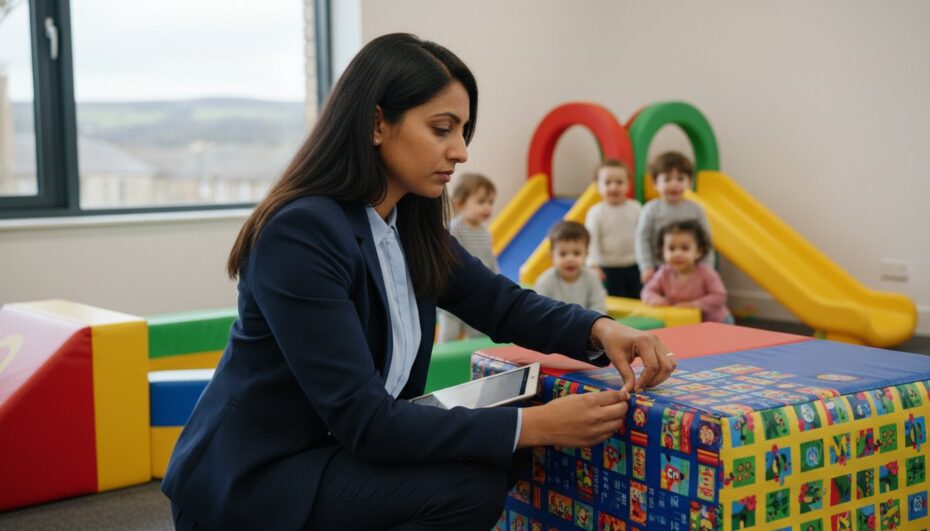
Did you know that by the time you actually see the yellow foam poking through a vinyl seam, your equipment has likely been a safety hazard for weeks? It is a terrifying thought for any nursery owner or play centre manager. You want to provide a world of joy and discovery for children, but the constant worry of a failed health and safety inspection or a preventable injury can be overwhelming. We understand that it is often difficult to tell the difference between a bit of cosmetic wear and a genuine structural failure that puts a child at risk.
When considering the total lifecycle of your facility’s assets, you might also learn more about Online Marketplace for Sports Gear to understand how other sectors are embracing the redistribution of equipment.
Knowing exactly when to replace soft play equipment is the key to maintaining a thriving, high-quality environment that parents trust. In this 2026 guide, you will learn how to master UK safety standards like BS EN 1176 and identify the red flags that signal a “repair vs replace” crossroads. We provide a clear checklist to judge the health of your ball pits and safety pads, giving you the confidence to make smart investments in your facility’s longevity. From understanding the latest UKCA requirements to the benefits of choosing premium British-made craftsmanship, you are about to get the clarity you need to keep those little ones playing safely.
Key Takeaways
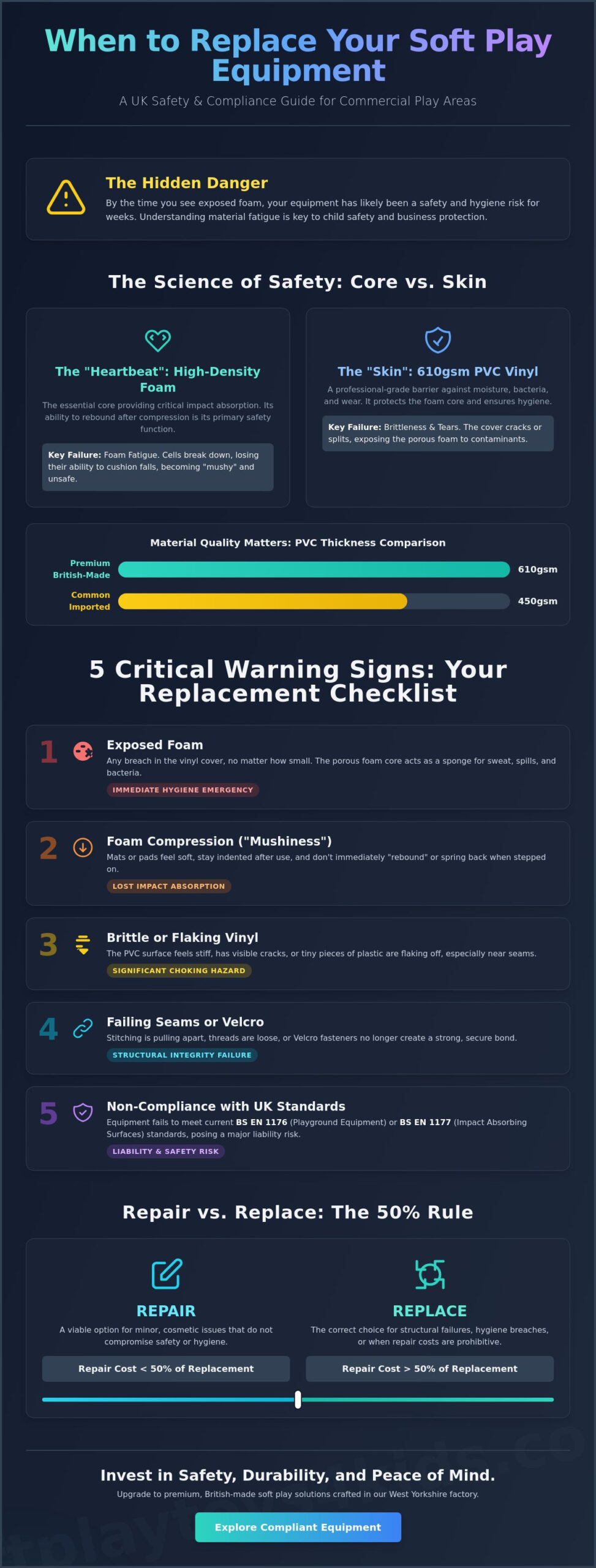
- Spot the difference between minor cosmetic scuffs and dangerous structural failures by understanding how high-density foam and 610gsm PVC vinyl work together.
- Learn exactly when to replace soft play equipment using our 5-point safety checklist, including how to test for foam rebound and hygiene breaches.
- Navigate complex UK safety standards like BS EN 1176 and BS EN 1177 to ensure your commercial play area remains fully compliant and protected from liability.
- Master our 50% rule to decide whether to invest in repairs or upgrade to premium, British-made replacements direct from our West Yorkshire factory.
Understanding the Typical Lifespan of Soft Play Apparatus
Every piece of soft play gear has a heartbeat. That heartbeat is the high-density foam core that provides the essential impact absorption children need to stay safe while they tumble and explore. When you are deciding when to replace soft play equipment, you have to look past the bright colours and evaluate the integrity of these internal materials. In a busy commercial environment, the constant compression from hundreds of little feet eventually leads to “foam fatigue.” This is where the cells within the foam break down, losing their ability to spring back and cushion a fall. Understanding the evolution of these spaces, from the history of playgrounds to modern sensory hubs, helps operators appreciate why today’s material standards are so rigorous.
The “skin” of your equipment is just as vital. We use 610gsm PVC vinyl because it acts as a professional-grade barrier against moisture and bacteria. If this outer layer becomes brittle or cracked, the internal foam becomes a sponge for spills and sweat, creating a hygiene nightmare that no amount of surface cleaning can fix. While imported alternatives often use thinner, 450gsm covers that tear under pressure, our British-made equipment is engineered in our West Yorkshire factory to survive the heavy-handed love of energetic toddlers for years longer than the competition. Typically, high-quality home equipment might last seven years, but in a high-traffic soft play centre, you should start looking for signs of wear around the three-year mark.
Material Matters: Foam vs. Vinyl
Safety is a science, not a guessing game. When foam fatigue sets in, it significantly reduces the safety rating of items like crash mats. You might notice the surface looks fine, but if it feels “mushy” or stays indented after use, it’s no longer protecting the children. External factors like UV light from large windows or the use of harsh, non-specialist cleaning chemicals can accelerate PVC brittleness. This causes the material to lose its flexibility, leading to failures at the internal seams. These hidden tears are often the first sign that you need to consider when to replace soft play equipment before a minor split becomes a major safety risk.
Traffic Volume and Longevity
Not all play hours are equal. A toddler-only zone in a quiet cafe will naturally outlast the indoor playground equipment found in a full-time nursery. In childcare settings, the equipment faces intense, multi-age use for up to ten hours a day. This high volume of “play hours” means your replacement cycle will be much shorter. We always recommend that nursery managers perform weekly “rebound tests” on their mats and ball pits. If the equipment can’t handle the pace of a modern nursery, it’s time to upgrade to something built for the challenge. Investing in premium soft play equipment from a trusted UK manufacturer ensures you aren’t just buying a toy; you’re buying peace of mind and long-term value.
5 Critical Warning Signs Your Equipment Is No Longer Safe
Safety isn’t just about what you can see from across the room. It’s about the microscopic details that keep children protected during their wildest adventures. Identifying these red flags early is the best way to determine when to replace soft play equipment before a minor scuff turns into a major liability. We take immense pride in our manufacturing standards, but even the best equipment eventually reaches the end of its journey. If you spot any of the following five signs, it’s time to consider an upgrade for your play area.
- Exposed Foam: Any breach in the PVC cover is an immediate hygiene emergency. Foam is porous; it acts like a sponge for sweat, spills, and bacteria. Once the core is exposed, it cannot be effectively disinfected.
- Foam Compression: If your mats feel “mushy” or don’t immediately spring back after being stepped on, they’ve lost their impact-absorbing power.
- Brittle or Flaking Vinyl: Older PVC can become brittle and start to flake. These tiny pieces of plastic are significant choking hazards for toddlers who explore the world with their mouths.
- Failing Seams and Velcro: When the stitching starts to pull apart or Velcro loses its “grip,” the structural integrity of your soft play sets is compromised. Pieces that shift or slide can lead to dangerous trips.
- Persistent Odour: A deep-seated, “musty” smell is a clear indicator of internal bacterial growth or mould. If a thorough surface clean doesn’t fix it, the problem is inside the foam.
The “Bottoming Out” Test for Mats
A mat might look perfect on the surface, but its internal cells could be dead. To check this, perform a “bottoming out” test. Press firmly with your knee or elbow into the centre of the mat. If you can feel the hard floor underneath, the foam has failed. This lack of “rebound” is a leading cause of bruising and joint impact injuries. According to best practices from the Association of Play Industries (API), equipment must maintain its specified impact attenuation to be considered safe for commercial use. If your mats fail this test, they are no longer fit for purpose.
Visual Inspection Checklist
Get up close and personal with your equipment once a week. Look for “stress whitening,” which is a pale discolouration in the PVC that appears just before a crack forms. Check every inch for loose threads; these aren’t just unsightly, they are entrapment risks for tiny fingers. Monitoring these details helps you decide exactly when to replace soft play equipment to maintain your professional standards. Don’t wait for an accident to happen. Upgrade your space with premium soft play equipment that is built to last and designed to delight.
Navigating UK Safety Standards: When a “Fix” Isn’t Enough
What happens when a safety inspector walks into your facility? If you’re operating with cracked vinyl or sagging mats, you’re not just risking a bad review; you’re facing serious legal consequences. Deciding when to replace soft play equipment isn’t just about keeping things looking pretty. It’s about strict compliance with BS EN 1176 and BS EN 1177. These UK standards are the benchmarks for equipment safety and impact-absorbing surfaces. If your equipment doesn’t meet these rigorous requirements, it simply isn’t safe for public use. Whether you’re running a high-traffic play centre or a small nursery, these regulations apply to you.
Many managers try to “make do” with DIY fixes to save a bit of money. Slapping duct tape over a tear or trying to sew a seam by hand might seem like a quick win, but it’s a dangerous path to take. These temporary repairs almost always void your insurance and safety certifications. If an accident happens on a piece of gear you’ve “repaired” yourself, the legal liability sits squarely on your shoulders. Professional-grade equipment, like our British-made safety pads and ball pits, is manufactured to withstand specific pressures. A home-made patch won’t hold up under the same stress, and it certainly won’t satisfy a health and safety audit. We take pride in our West Yorkshire craftsmanship because we know it meets the UKCA and CE marks required by law.
Fire safety is another critical factor that often gets overlooked. Commercial soft play must meet Crib 5 fire retardancy ratings. Over years of heavy cleaning and exposure to various chemicals, these protective treatments can degrade. If your equipment is over a decade old, its fire safety rating might no longer be valid. It’s a hidden risk that many operators don’t consider until they’re reviewing their annual safety certificates.
The Legal Reality of Play Safety
As a nursery owner or manager, you have a legal duty of care to every child in your building. A written inspection log is your best defense against liability. It proves you’re proactive and diligent about safety. If an inspector “red tags” a piece of equipment, it means it’s an immediate hazard and must be removed from the floor instantly. This usually happens when structural foam fails or seams become entrapment risks for tiny fingers. Don’t wait for the red tag; be proactive about your replacement cycle.
Hygiene Standards and Bacteria
Cleanliness is about more than just wiping away sticky fingerprints. When the PVC skin of a ball pool or play mat is breached, the porous foam inside becomes a breeding ground for bacteria like MRSA. You can’t effectively disinfect foam. Once moisture gets in, the only safe solution is replacement. Meeting Ofsted requirements for equipment condition and cleanliness is essential for your rating. They want to see well-maintained, hygienic surfaces that promote a safe learning environment for every child.
Repair vs. Replace: A Decision Framework for Owners
Every business owner faces the same dilemma: do I patch this up or buy a new one? Knowing exactly when to replace soft play equipment is about protecting your reputation as much as it is about safety. A solid framework to follow is the 50% rule. If a professional repair quote reaches half the cost of a new item, it’s almost always better to choose the replacement. Why? Because a repair is still a patch on old materials. You aren’t just paying for the fix; you’re paying for the risk that another part of that aged item will fail next month.
Think about the message your equipment sends to your customers. In 2026, parents are more discerning than ever. They want to see those bright, inviting colours and perfectly plump surfaces. Patched-up gear suggests a lack of care, which can lead to lower footfall and fewer repeat bookings. Modern, vibrant ball pits aren’t just play items; they are powerful marketing tools that signal quality and safety to every caregiver who walks through your door. Investing in new gear often pays for itself through increased customer confidence and reduced cleaning time.
Small Repairs You Can Handle
Not every scuff requires a trip to the bin. For tiny pinhole punctures in the PVC, specialized repair kits can work wonders and extend the life of your gear by several months. If you catch a loose seam early, professional re-stitching can be a safe way to keep a favourite piece in play. However, you must avoid the “Duct Tape Danger.” Using tape as a permanent fix is a major red flag for inspectors. It looks unprofessional, traps bacteria in the adhesive, and eventually peels away to leave a sticky, unhygienic mess. If you find yourself reaching for the tape every week, you’ve already reached the limit of when to replace soft play equipment.
When Replacement is the Only Option
Certain failures are non-negotiable. If your sensory toys have internal electronic faults or frayed wiring, they are an immediate fire and entrapment risk. Similarly, “re-skinning” old foam is a false economy. The labour involved in custom-fitting new vinyl to degraded foam usually costs more than a brand-new, factory-fresh unit from our West Yorkshire workshop. Upgrading also gives you access to the latest material technology. Our newest ranges feature phthalate-free and antimicrobial PVC, providing a level of protection that simply didn’t exist a few years ago. Choosing new equipment ensures you are providing the absolute best for the children in your care.
Is it time for an upgrade? Check out our latest range of ball pits and play mats to find the perfect, high-durability match for your facility.
Upgrading Your Space with British-Made Soft Play Solutions
Once you have identified exactly when to replace soft play equipment in your facility, the next step is choosing a partner who understands the demands of a busy UK play environment. We don’t just sell toys; we manufacture high-performance safety solutions. Our equipment is engineered in our West Yorkshire factory to meet the specific needs of nurseries, schools, and commercial play centres. By choosing British-made products, you are investing in gear that is designed to handle thousands of “play hours” without losing its shape or safety rating. We use premium, high-density foam and heavy-duty 610gsm PVC vinyl to ensure every ball pool and play mat we produce stands the test of time.
Refreshing your space doesn’t always require a total overhaul. Sometimes, replacing a few key items like sagging safety pads or worn-out column padding can completely transform the look and feel of your area. We offer custom design services that allow you to match your existing colour scheme or create a brand-new theme that sparks joy and excitement. Why settle for generic, thin-skinned imports when you can have handmade quality that is built to last? Our local manufacturing process means we stay hands-on and accessible, ensuring every stitch meets our rigorous standards before it ever reaches your door.
The SoftplayToys4kids Quality Guarantee
What makes our process different? It’s the human touch. Every piece of equipment is handmade by our skilled team, allowing us to reinforce seams and stress points that machines often miss. When you compare our UK-sourced materials to cheaper alternatives, the difference is clear. Thinner vinyl from international competitors often cracks within months, while our 610gsm covers remain supple and easy to clean for years. Supporting local manufacturing isn’t just about the economy; it is about ensuring the highest possible safety for the children using your equipment. You can feel the pride in our craftsmanship in every pliant mat and sturdy ball pit wall.
- Handmade in West Yorkshire for superior durability.
- Reinforced internal seams to prevent entrapment risks.
- Phthalate-free, antimicrobial 610gsm PVC for maximum hygiene.
- High-density foam that maintains its “rebound” through heavy use.
Next Steps for Your Play Area
Are you ready to bring your play area back to life? Whether you need a single-item replacement or a full area refresh, our team is here to help. We frequently consult with schools and nurseries to find the most cost-effective ways to improve safety and engagement. Don’t let the fear of when to replace soft play equipment hold you back from providing a world-class experience. Take the first step toward a safer, more vibrant environment today. Browse our durable, UK-made soft play range today and see why we are the trusted choice for play professionals across the country.
Future-Proof Your Play Space with Confidence
Ensuring the safety of every child who enters your facility is your highest priority. By mastering the “bottoming out” test and identifying the early warning signs of PVC brittleness, you’ve taken the first step toward a safer environment. You now understand that deciding when to replace soft play equipment is a balance of rigorous UK safety standards and smart commercial logic. Don’t let a “red tag” during an inspection be the reason you upgrade. Be proactive by replacing worn items before they become hazards, ensuring your nursery or play centre remains a trusted destination for families.
Choosing the right replacement means choosing quality that lasts. Our equipment is handmade in West Yorkshire using only UK-sourced heavy-duty PVC and high-density foam. It’s why we’re trusted by schools and nurseries nationwide to provide gear that stands up to the most energetic play. Ready to refresh your facility? Upgrade your play area with our durable, UK-manufactured soft play equipment and feel the pride of British craftsmanship. Your little adventurers deserve a space that’s as safe as it is exciting, and we’re here to help you build it.
Frequently Asked Questions
How long does soft play equipment typically last in a nursery?
In a high-traffic nursery environment, quality equipment usually lasts between three and five years before showing significant structural wear. While home-use items might last up to seven years, the intense daily use in childcare settings accelerates foam fatigue. Regular rebound tests on your play mats and ball pits will help you track their specific lifespan and maintain a safe environment.
Can I repair a tear in a soft play mat myself?
You can use a specialist PVC repair kit for tiny pinhole punctures, but larger tears require professional intervention. DIY fixes like duct tape are unhygienic and often fail under pressure, leading to dangerous trip hazards. If a tear is large enough to expose the foam core, it is a clear sign of when to replace soft play equipment to prevent bacterial growth.
What are the UK safety standards for indoor play equipment?
The primary UK standards are BS EN 1176, which covers the equipment itself, and BS EN 1177, which focuses on impact-absorbing surfaces. These regulations ensure that your facility meets the de facto standards for safety used by the Health and Safety Executive. Adhering to these benchmarks is essential for passing inspections and ensuring your insurance remains valid in a commercial setting.
Is it cheaper to re-skin soft play foam or buy new gear?
It is almost always more cost-effective to buy new gear rather than attempting to re-skin old foam. The labour costs involved in custom-fitting new vinyl to degraded, misshapen foam often exceed the price of a brand-new unit from our West Yorkshire factory. Investing in new equipment also ensures you get the latest antimicrobial materials and fresh, high-density foam cores.
How do I know if my crash mat has “bottomed out”?
You can tell a crash mat has “bottomed out” by performing a simple manual pressure test with your knee or elbow. Press firmly into the centre of the mat; if you can feel the hard floor underneath, the internal foam cells have collapsed. This means the mat can no longer absorb impact effectively and must be replaced immediately to prevent bruising or joint injuries.
What happens if a child is injured on damaged soft play equipment?
If an injury occurs on equipment that was known to be damaged or improperly repaired, you could face significant legal liability and claims of negligence. Your insurance may be voided if you haven’t maintained a written inspection log or if you’ve used unapproved DIY fixes. This makes knowing when to replace soft play equipment a critical part of your business risk management.
Does cleaning soft play equipment with bleach damage the PVC?
Yes, using bleach or harsh abrasive cleaners will damage the PVC by stripping away its protective coating and making it brittle. This leads to premature cracking and flaking, which creates significant choking hazards for toddlers. We recommend using specialist, pH-neutral antibacterial cleaners that are specifically designed for 610gsm PVC vinyl to keep your mats and ball pools in top condition.
How often should I conduct a formal safety inspection of my play area?
You should conduct a formal, documented safety inspection at least once a week, supported by quick daily visual checks before opening. An annual independent inspection by a qualified professional is also a best practice for commercial sites and nurseries. Keeping a detailed log of these inspections provides a vital paper trail that proves you are meeting your legal duty of care.
Leave a Reply